Why Use Stretch Film Wrap for Packaging and Shipping?
In the fast-evolving world of logistics and packaging, the significance of stretch film wrap cannot be overstated. According to a report by Smithers Pira, the global market for stretch film is expected to reach $10 billion by 2024, indicating a growing reliance on this innovative packaging solution. Stretch film wrap serves multiple purposes, ensuring products are secured during transit and that they resist damage.
Expert in packaging solutions, Dr. Emily Harris, states, "Stretch film wrap not only protects items but also enhances the efficiency of the packaging process." This insight highlights the crucial role stretch film plays in both safeguarding products and optimizing shipping operations. As companies strive for better performance, stretch film wrap stands out as a key player.
Despite its advantages, there are challenges with stretch film wrap. Not all applications yield the same results. Some users report issues with disposal and waste management. These considerations are vital for companies aiming for sustainability. Balancing efficiency and environmental impact remains an ongoing discussion in the industry. Stretch film wrap is essential, but reflection on its usage is necessary for further improvements.

Advantages of Using Stretch Film Wrap in Packaging Solutions
Stretch film wrap plays a crucial role in packaging. It provides superior protection for goods during transit. Its elasticity allows it to secure items tightly, reducing movement. According to a report by Smithers Pira, the global stretch film market is expected to reach $9.5 billion by 2024. This growth highlights its importance in logistics.
One significant advantage of stretch film wrap is its cost-effectiveness. It is lighter than other materials, reducing shipping costs. Reports indicate that using stretch film can lead to a 30% savings in shipping expenses. Its strong, durable nature ensures that products remain intact, minimizing damage. However, some may overlook that not all films are equal. Mesh stretch films may provide less opacity and protection and might need reconsideration based on the application.
Environmental concerns also arise in stretch film use. While many films are recyclable, the lack of clear recycling processes remains a challenge. Improper disposal contributes to waste. A report from the Plastic Industry Association suggests that around 25% of stretch film is recycled. Improvements are necessary to enhance sustainability. Adopting better practices will benefit both businesses and the environment.
Key Industry Statistics Supporting Stretch Film Usage
Stretch film wrap is essential in various industries, especially for packaging and shipping. It offers numerous benefits that align with efficiency and safety. Statistics show that approximately 99% of companies rely on stretch film. This usage has cascaded into lower damage rates and improved load stability.
When considering your packaging needs, think about the figures. Nearly 50% of businesses have reported reduced product loss due to better stretch film application. Additionally, using this material results in a 30% increase in shipping efficiency. These figures highlight a clear trend that businesses cannot ignore.
Tips for effective stretch film usage include applying the film tightly but not excessively. Finding the right balance can prevent damage to the products underneath. Another useful suggestion is to train staff on proper wrapping techniques. This reduces waste and maximizes the lifespan of the materials. Small changes make a noticeable impact over time. Monitoring your usage statistics can help refine procedures, ensuring that all operations remain efficient and effective.
Types of Stretch Film and Their Applications in Shipping
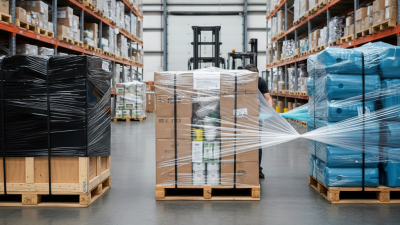
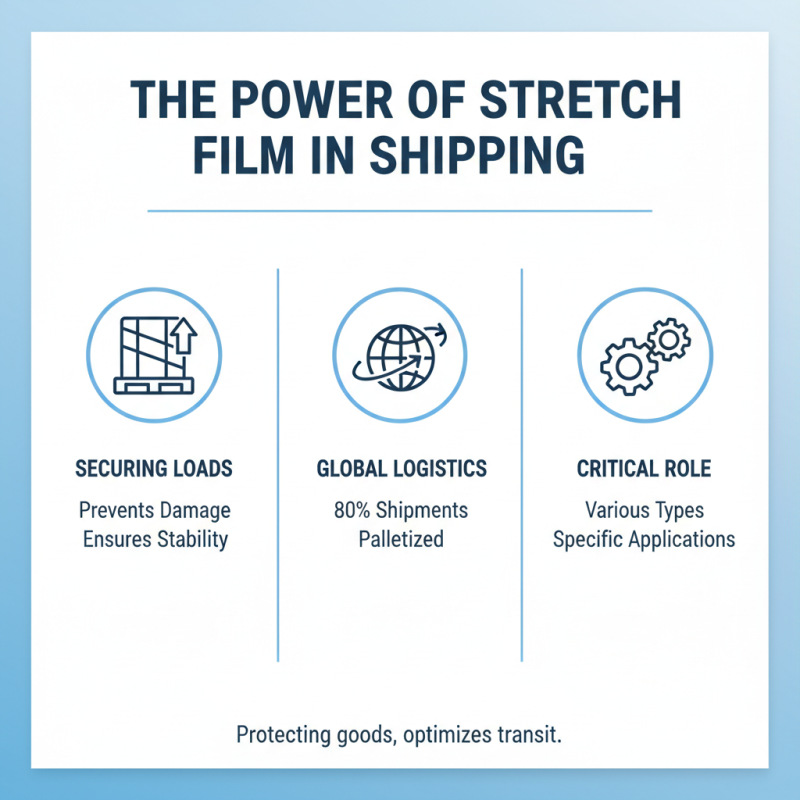
When it comes to shipping, stretch film plays a critical role. Various types exist, each designed for specific applications. In the logistics industry, around 80% of shipments are palletized. Stretch film secures these loads, preventing damage during transit.
There are several types of stretch film available. For instance, clear stretch film is popular for visibility. It allows for barcode scanning without unwrapping. On the other hand, colored stretch film can help in inventory management and classification. In recent reports, it shows that using colored film can improve organization by 33%.
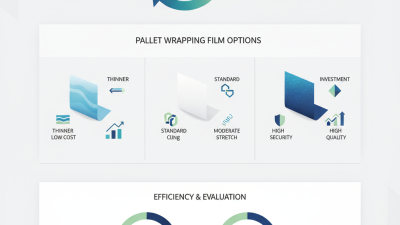
Tips for optimal use of stretch film include proper tensioning. Overly tight film can lead to product damage. Under-tightening is equally problematic, risking load shifts. Another point to reflect on is film thickness. Thinner films may save costs but can compromise load security. Assess your specific needs to choose the right thickness.
In summary, different stretch films cater to diverse shipping needs. Making the right choice can enhance load security and streamline operations. Remember, not all stretch films are created equal. Consider both benefits and limitations when selecting your packaging materials.
Environmental Impact of Stretch Film and Recycling Options
Stretch film wrap is a popular choice for packaging and shipping due to its ability to securely bundle items. However, the environmental impact of this material often raises concerns. Stretch film is primarily made from polyethylene, which is derived from fossil fuels. This process contributes to greenhouse gas emissions. The manufacture and disposal of stretch film can, therefore, become a problem for sustainability.
Recycling options for stretch film exist, but they are not always straightforward. Many recycling facilities do not accept it due to contamination from residues. Consumers often face challenges in determining how to recycle this material correctly. There are programs where businesses can return used films to manufacturers, fostering a closed-loop system. However, many people may not know about these options. Education around recycling methods is crucial in reducing waste.
The need for alternatives arises. Biodegradable options are being developed, but they are still evolving. Awareness of the environmental impact of all packaging materials is essential. Tackling the challenges associated with stretch film is needed for better sustainability in packaging and shipping. While it provides convenience, we must reflect on our choices and their long-term effects on the planet.
Usage Trends of Stretch Film Wrap in Packaging and Shipping
This bar chart illustrates the increasing trend in the usage of stretch film wrap for packaging and shipping from 2020 to 2023. The rise indicates growing demand and potential environmental impacts, highlighting the importance of recycling options.
Best Practices for Applying Stretch Film in Packaging Processes
When it comes to packaging, using stretch film wrap has become a staple in many industries. Reports indicate that the global stretch film market is projected to reach $9.63 billion by 2026. This highlights its growing importance in safe and efficient shipping processes. Proper application of stretch film is essential to maximize its benefits.
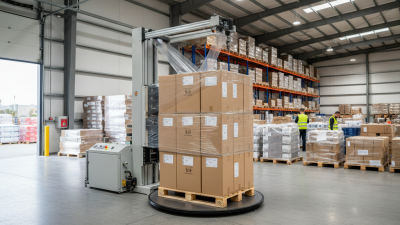
Best practices start with the correct choice of film thickness. Generally, 50-80 gauge films are sufficient for most products. However, heavier items may require thicker films. Stretchable films can reduce material costs while providing support. It's also crucial to ensure the film is applied evenly. Uneven application can lead to damage during transport. Industry data shows that up to 20% of shipments suffer from packing errors, which can mostly be avoided with proper techniques.
A key aspect is the wrapping technique. The technique should cover the entire product, including corners and edges. However, over-wrapping can waste material and time. Balancing coverage with efficiency is challenging. Learning from mistakes in film application can lead to improved methods. Regular training can be beneficial in promoting the best practices. Adapting strategies as needed can lead to more effective use of stretch film in packaging.
Why Use Stretch Film Wrap for Packaging and Shipping? - Best Practices for Applying Stretch Film in Packaging Processes
| Benefit |
Description |
Best Practices |
| Protection |
Stretch film provides a protective layer that guards against dust, moisture, and physical damage during transit. |
Ensure the film is applied tightly to avoid movement and exposure. |
| Stability |
It holds items together securely, preventing shifting of products during shipping. |
Use multiple layers for heavier items to maintain stability. |
| Cost-Effective |
Stretch film reduces the need for additional packaging materials like boxes and padding. |
Optimize use by measuring items accurately to use the right amount of film. |
| Versatility |
Applicable to various shapes and sizes of products, making it ideal for different packaging needs. |
Select appropriate film gauge based on product requirements. |
| Environmentally Friendly Options |
Recyclable stretch films are now available, helping reduce environmental impact. |
Choose eco-friendly materials when possible. |