In the world of packaging, efficiency and durability are essential. The pallet strapper emerges as a crucial tool for many businesses. This machine offers numerous advantages that can enhance your packaging operations.
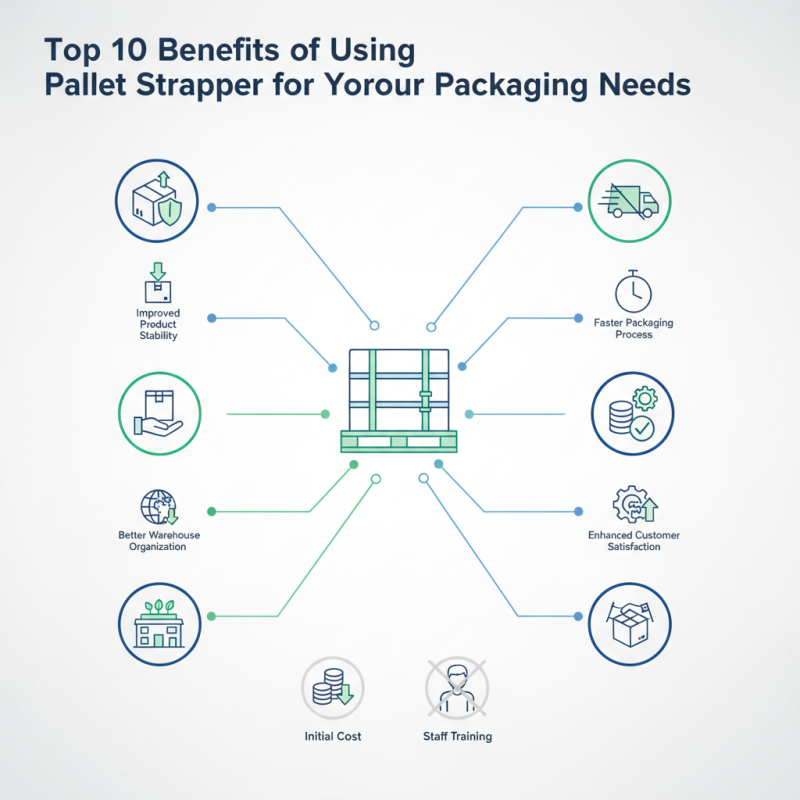
Using a pallet strapper can significantly improve product stability. It secures packages tightly, preventing shifting during transport. This reliability reduces damage and returns, which is important in today’s market. Additionally, this equipment speeds up the packing process. Employees can quickly strap pallets, increasing productivity.
However, employing a pallet strapper may come with challenges. Initial costs can be high, and training staff is essential. Some businesses might find the transition difficult. Still, the long-term benefits often outweigh these early obstacles. With careful consideration, a pallet strapper can transform your packaging systems.
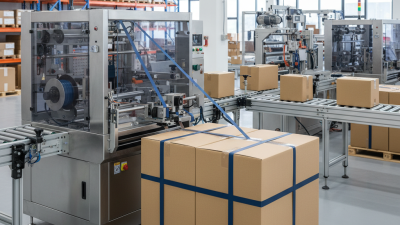
A pallet strapper is a tool designed to secure packaged goods onto a pallet. Its primary functionality is to apply a heavy-duty strap around items. This process prevents shifting during transit. Many businesses benefit from using strapers in their packaging procedures. However, not every pallet strapper is easy to operate.
Choosing the right strapping material is vital. Plastic straps are cheaper, but metal straps offer higher strength. Sometimes, the choice depends on the nature of the product being moved. Note that improper tension can cause the straps to break. This may result in damaged goods.
Tips: Always test your strapping setup before full-scale use. A small adjustment could make a big difference in tightness. Ensure your packaging line includes training on how to use the strapper. This can minimize errors and improve efficiency.
Regular maintenance of the strapper can prevent issues. Replace worn parts to maintain performance. Also, consider feedback from operators. Their insights could lead to a more efficient strapping process.
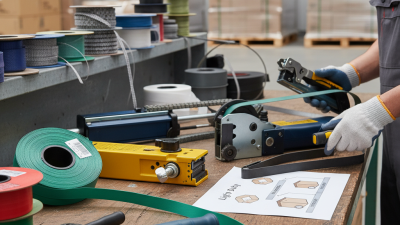
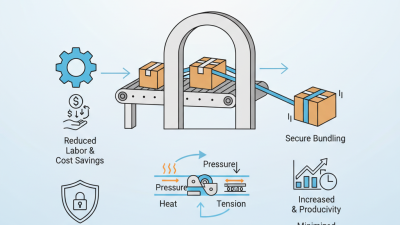
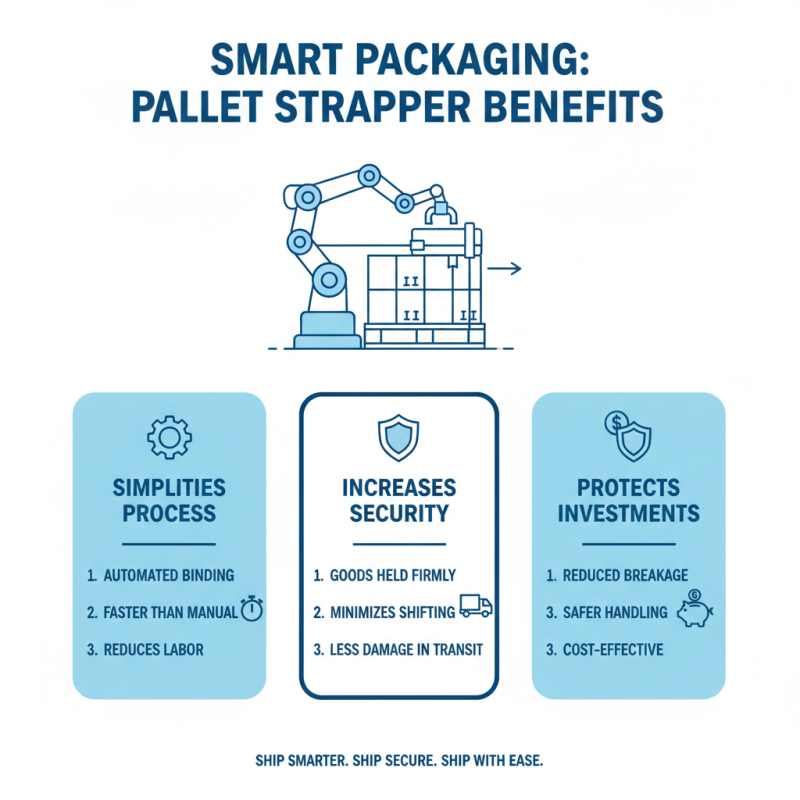
Packaging operations can be complex. A pallet strapper can simplify this process significantly. This tool helps bind goods securely for shipment. It reduces the risk of damage during transport. By applying straps tightly, items stay in place. You won’t have to worry about shifting loads. This feature enhances safety and protects your investments.
Using a pallet strapper boosts efficiency. Workers can complete tasks faster compared to manual strapping. With automated strappers, there’s less chance of human error. Often, workers might miscalculate strap tension, leading to weak bindings. Automated processes eliminate this problem. Employees can focus on other essential tasks. This leads to smoother operations and higher productivity.
There are challenges too. Some workers may find the machine intimidating. Training is vital to ease this transition. Inadequate knowledge can lead to misuse. Regular maintenance is essential to keep the strapper functional. It can wear down without proper checks. While these machines offer many benefits, reflection on workflow improvements is necessary.
When it comes to packaging, efficiency is crucial. A pallet strapper significantly cuts material waste. According to a study by the Packaging Association, companies that switch to automated strapping reduce material consumption by up to 30%. This is not just a statistic; it's a game changer for manufacturers aiming to lower operational costs. The reduction in excess materials leads to less waste and complements sustainability goals.
Labor efforts are also impacted. Using a pallet strapper can reduce manual strapping time by as much as 50%. Workers spend less time on repetitive tasks and more on value-adding activities. A survey from the Warehouse Management Institute showed that businesses reported a 25% increase in workforce productivity post-implementation. However, transitioning to automation does require training. Some companies struggle with the learning curve, which can temporarily offset these benefits.
It’s essential to reflect on the balance between automation and human intervention. While the initial costs may seem high, the long-term savings and efficiency gains can outweigh these expenses. The ongoing debate in the industry focuses on how to optimize these technologies while maintaining skilled labor. With the right strategy, a pallet strapper can be a vital asset in the modern packaging scenario.
When it comes to packaging, load security is crucial. A pallet strapper enhances this security significantly. Strapping ensures that all items stay tightly packed during transit. This reduces the risk of damage caused by shifting loads. With proper strapping, the chances of accidents decrease. A stable load means fewer product losses.
Improved stability is another key benefit. When pallets are strapped, they resist movement. This is especially important on bumpy roads or during sudden stops. Strapped pallets remain intact, ensuring that everything arrives as intended. This is particularly vital for fragile items. However, not every strapper works the same. It’s essential to find one that fits specific needs.
Yet, over-reliance on strapping can have downsides. Sometimes, users may use excessive force, risking damage to the goods. Additionally, poor technique can lead to improper strapping, which defeats its purpose. Regular training on best practices is beneficial. This way, teams can avoid common pitfalls and maximize effectiveness. Proper execution is key for achieving the desired results.
| Benefit | Description |
|---|---|
| Improved Load Security | Pallet strapping securely holds products together, reducing the risk of items shifting during transit. |
| Enhanced Stability | Strapping provides a stable foundation, keeping loads balanced and preventing tip-overs. |
| Cost-Effectiveness | Minimizes damage to goods, saving costs on replacements and insurance. |
| Versatile Applications | Suitable for various industries, accommodating different types of products and load sizes. |
| Reduced Labor Efforts | Automated strapping systems decrease the physical labor needed for packing. |
| Improved Workflow Efficiency | Streamlines the packaging process, reducing time spent per package. |
| Protection Against Environmental Factors | Strapping helps protect loads from moisture and dust during transport. |
| Compatibility with Other Packaging Methods | Can be easily combined with shrink wrapping and other packaging techniques. |
| Regulatory Compliance | Helps meet safety and transportation regulations for secure shipping. |
| Increased Customer Satisfaction | Reliable packaging leads to fewer damages, improving customer trust and satisfaction. |
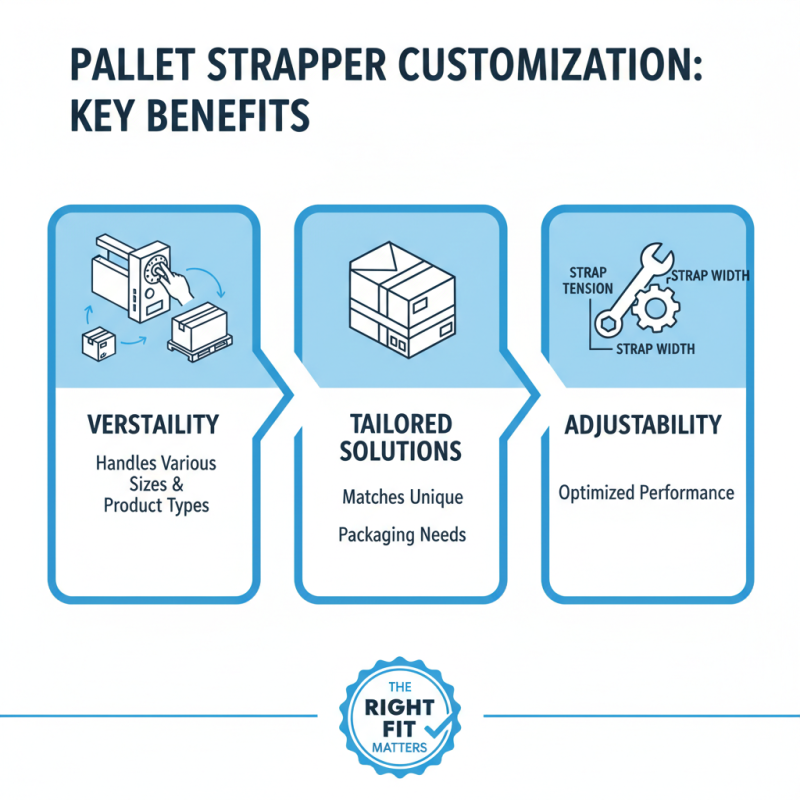
When choosing a pallet strapper, customization is key. Different packaging needs require tailored solutions. A versatile strapper can handle various sizes and product types. From small boxes to large pallets, having the right strapper makes a difference. Many models allow adjustments for strap tension and width.
Tips for effective customization: Measure your products carefully. Ensure the strapper can accommodate these measurements. Consider the type of materials used in your packaging. Some products benefit from a tighter hold, while others require a gentler touch. Test different settings to find what works best.
Another aspect to reflect on is the cost of customization. While a tailored strapper offers many benefits, it can also be an investment. Weigh the options against your needs. A generic model might save money but could lead to inefficiencies. Analyze your workflow to determine the best fit for your packaging demands.