Blog

Top 10 Benefits of Using Automatic Stretch Wrap Machine?

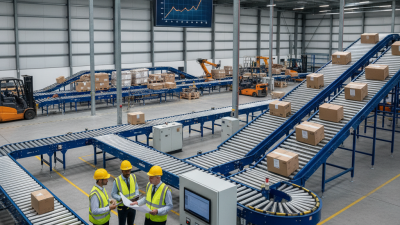
In the fast-paced world of logistics and warehousing, efficiency is vital. An automatic stretch wrap machine has become an essential tool for businesses aiming to streamline their operations. This technology not only saves time but also enhances the security of packaged goods. By using an automatic stretch wrap machine, companies can significantly reduce manual labor and minimize the risk of damage during transportation.

Investing in an automatic stretch wrap machine can seem daunting. However, the benefits it brings often outweigh the initial costs. For example, these machines ensure a consistent wrapping process, which improves load stability. This stability, in turn, leads to fewer product losses and lower insurance claims. Many companies have found that the transition to automation has boosted their overall productivity.

While the advantages are clear, it is important to consider potential challenges. Proper training and maintenance are critical for maximizing the machine’s potential. Some users report initial difficulties in adapting to this technology, highlighting the need for a learning curve. Embracing an automatic stretch wrap machine requires careful planning and ongoing evaluation to achieve the best results.
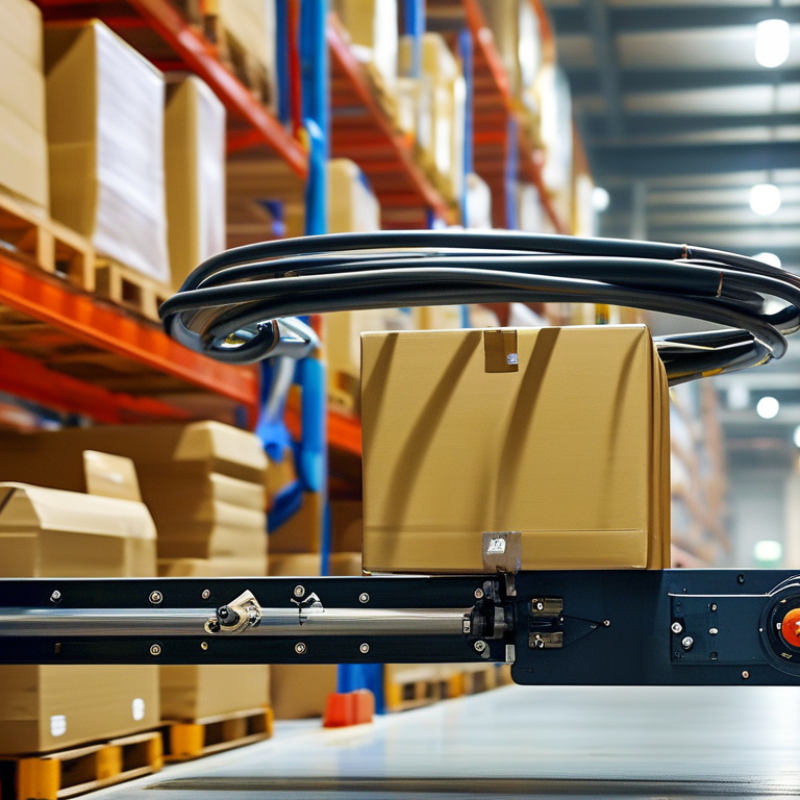
Top 10 Benefits of Using Automatic Stretch Wrap Machine?

Benefits of Increased Efficiency in Packaging Through Automation

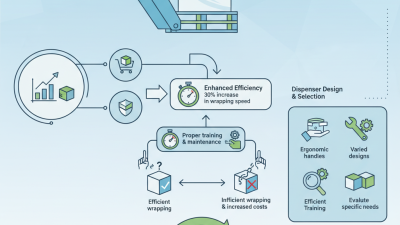
The efficiency of packaging processes is crucial for business success. Automated stretch wrap machines significantly enhance this efficiency. According to a recent industry report, companies using these machines can increase their packaging speed by 300%. This means less time spent on packing and more time for production.

In addition to speed, these machines minimize material waste. Research indicates that automation can reduce shrink film usage by up to 20%, which directly impacts cost savings. Companies that adopt automated systems improve their bottom line while maintaining quality. However, transitioning to automation requires careful planning and investment, which some businesses may overlook.

The need for skilled operators remains a challenge. While machines enhance productivity, human oversight is still necessary. Inadequate training can lead to errors and reduced efficiency. Thus, businesses must reflect on their systems and ensure proper training for their staff. Adequate preparation will help realize the benefits of increased efficiency through automation in packaging.
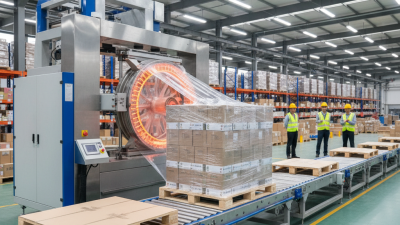
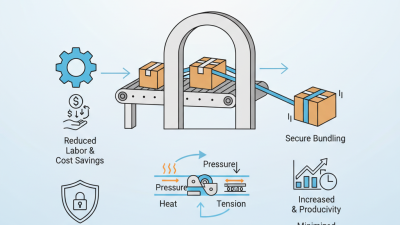
Cost Savings: How Automatic Stretch Wrap Machines Reduce Labor Costs

Automatic stretch wrap machines offer significant cost savings, with many industries adopting them for their efficiency. Research indicates that companies can save up to 50% on labor costs when switching from manual to automatic stretch wrapping. This shift not only optimizes workforce productivity but also minimizes the risk of worker injuries associated with repetitive manual wrapping tasks.

The average cost of labor for packaging operations can be considerable. In a manufacturing setting, the total labor cost attributed to packaging can reach roughly $130,000 annually per employee. By integrating automatic stretch wrap machines, companies can reallocate labor to more skilled roles, thereby enhancing overall operational efficiency. Moreover, automated wrapping ensures consistent application of stretch film, reducing material waste by approximately 25%. This efficiency contributes to both lower product loss and decreased film expenditure.

However, transitioning to automated solutions may require an initial investment that prompts companies to weigh the long-term benefits against upfront costs. Some businesses may hesitate to adopt these machines, fearing the potential for mechanical failure or maintenance issues. Yet, proactive maintenance strategies and training can mitigate these concerns, leading to a reliable wrapping process that aligns with contemporary logistics demands.

Cost Savings of Using Automatic Stretch Wrap Machines

Enhanced Product Protection with Automatic Stretch Wrapping Techniques

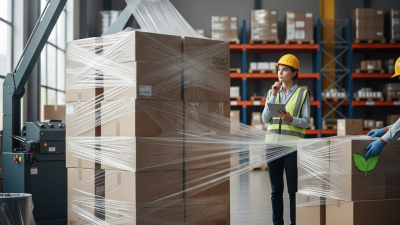
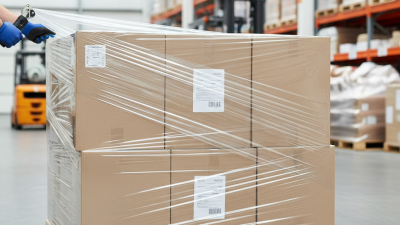
Automatic stretch wrap machines offer significant advantages in protecting products during transport and storage. According to industry reports, around 20% of products sustain damage while being shipped. This can lead to increased costs and dissatisfied customers. An automatic wrap machine minimizes the risk of such damage. It ensures consistent application of stretch film, securing the load tightly and effectively. The combination of tension and conformability helps cover all surfaces, reducing the likelihood of shifting.

Implementing automatic stretch wrapping techniques can enhance stability and provide a barrier against environmental factors. For instance, wrapped products are less exposed to moisture and dust, which can cause degradation. Research shows that companies can reduce damages by up to 30% after switching to automated solutions. Despite these benefits, organizations must evaluate the initial investment and ongoing maintenance costs. Choosing the right machine depends on specific production needs and the types of product being wrapped.

Integrating technology into packaging improves efficiency but requires careful consideration. Automatic machines can streamline processes, but they might sometimes be complex to operate. Staff training and regular upkeep are essential. Investing in proper training ensures that employees are familiar with the machine's features. Balancing efficiency with employee safety should always be a priority. This reflection leads to better overall performance in the long run.

Improved Consistency and Quality in Packaging Outcomes

Automatic stretch wrap machines significantly enhance consistency and quality in packaging processes. According to the Packaging Machinery Manufacturers Institute (PMMI), businesses using these machines observed a 25% reduction in packaging errors. This reliability stems from precise application of wrap tension. Consistent tension helps maintain the integrity of loads, reducing damage during transport.

Additionally, a report by the Food and Drug Administration (FDA) noted that automatic stretch wrapping not only improves product protection but also ensures uniformity across batches. This uniformity is critical in industries like food and pharmaceuticals, where packaging standards are paramount. With a properly calibrated machine, companies can achieve more consistent film application, resulting in a cleaner, more appealing appearance.

While these machines offer numerous advantages, challenges exist. Operators may face a learning curve with advanced settings. Regular maintenance is essential to sustain performance. Despite these hurdles, the long-term benefits, like cost savings and enhanced product security, often outweigh potential drawbacks. Investing in automation can yield significant returns when done correctly. Crafting an efficient operation allows for better resource management and higher customer satisfaction.

The Role of Automatic Stretch Wrap Machines in Reducing Material Waste

Automatic stretch wrap machines play an essential role in minimizing material waste. These machines optimize film usage, ensuring that each package receives just the right amount of stretch wrap. This precision reduces excess material, contributing to a more sustainable packaging process. When companies cut down on waste, they not only save resources but also lower their operational costs. Less waste means increased profitability over time.

Efficient use of stretch film can seem simple, but many organizations struggle with it. One key tip is to adjust the tension settings according to the product shape and size. Overstretching can lead to more waste. Regularly inspecting the machine for function and calibration is crucial. Machines that are not properly calibrated can cause inconsistent wrapping, leading to unnecessary waste.

Another important aspect is training staff on best practices. Workers should be aware of how to load products correctly and set up the machine. This understanding can significantly reduce errors during the wrapping process. Investing in employee training brings reliable outcomes and cuts down material waste. Companies should continuously reflect on these processes to identify areas for improvement.

Top 10 Benefits of Using Automatic Stretch Wrap Machine

Benefit Description Impact on Material Waste
Increased Efficiency Automates the wrapping process to save time. Reduces the need for excess material by applying the right amount of film.
Consistent Wrap Quality Delivers uniform tension and wrap tightness. Minimizes scrap and wasted material due to inconsistent application.
Reduced Labor Costs Lowers the need for manual labor in wrapping tasks. Decreases the likelihood of material waste through human error.
Enhanced Load Stability Provides a tighter and more secure load for transport. Reduces damage to materials from shifting loads.
Flexibility in Packaging Accommodates various shapes and sizes of products. Allows for precise amount of wrap for different sizes, minimizing waste.
Lower Film Consumption Optimizes the amount of stretch film used per load. Significantly cuts down on the film waste generated.
Improved Safety Reduces injuries caused by manual wrapping tasks. Less chance of material being damaged, which can lead to waste.
Data Tracking and Analysis Offers insights into wrapping processes and material usage. Enables informed decisions to further reduce waste.
Increased Productivity Faster wrap cycles lead to higher throughput. Less downtime helps maintain material integrity.
Environmental Impact Promotes the use of recyclable and biodegradable materials. Contributes to a reduction in overall waste generated.