
In today's competitive market, businesses seek innovative solutions to stand out. UVLED Flatbed Printing is emerging as a game-changer. This technology offers unique advantages over traditional printing methods, transforming how companies approach their printing needs.
One of the key benefits is its versatility. UVLED Flatbed Printing can print on various substrates, from wood to glass. This flexibility allows businesses to explore creative designs. Additionally, the printing process is efficient, saving both time and resources. However, the initial setup costs can be high, and businesses must weigh this alongside potential savings.
Furthermore, UVLED Flatbed Printing is environmentally friendly. It uses UV light to cure ink instantly, reducing waste. Yet, companies should consider the learning curve for operators. Investing in proper training is crucial for maximizing benefits. Ultimately, the advantages of UVLED Flatbed Printing present opportunities, but careful planning is essential.
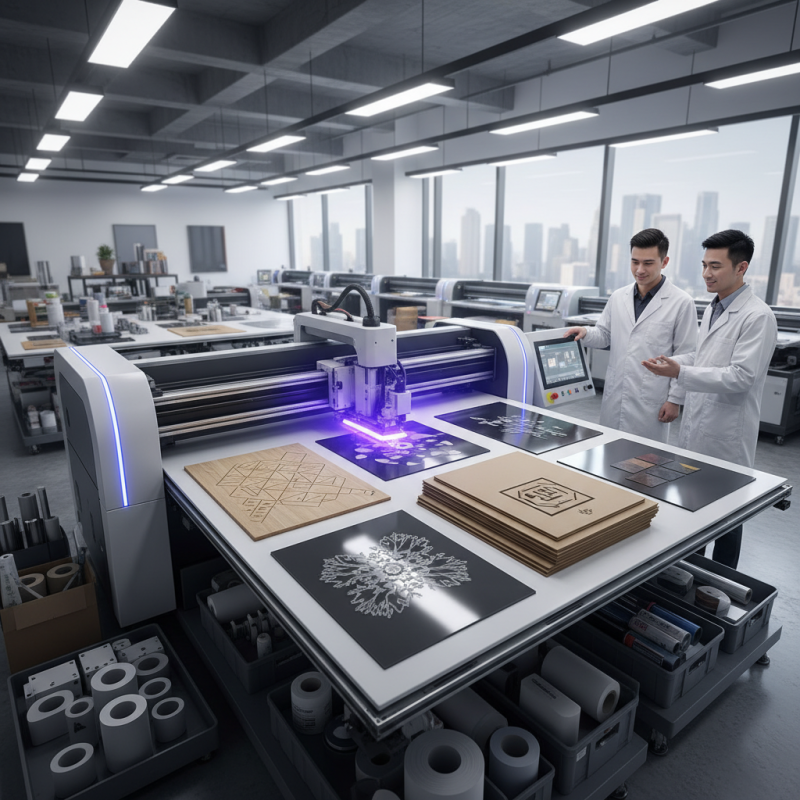
UVLED flatbed printing offers remarkable versatility for businesses. This technology can print on a wide range of materials. From wood to glass, metal to plastic, the possibilities are endless. This flexibility allows companies to diversify their product offerings. They can create unique items tailored to specific customer needs. Multiple textures and surfaces pose no challenge. This innovation encourages creativity in various industries.
However, it’s important to remember some limitations. Not every material yields perfect results. Some surfaces may require special treatment before printing. Durability can vary based on material choice. Companies must experiment to find the best matches. Also, not all UVLED printers are created equal. Quality can differ, affecting final output. Businesses should invest time in research. Understanding the capabilities of their machinery is crucial. Balancing innovation with practical insights is the key to utilizing UVLED technology effectively.
UVLED flatbed printing offers significant advantages, particularly in terms of reduced ink consumption. Compared to conventional methods, UVLED technology uses approximately 50% less ink. This reduction leads to substantial cost savings for businesses. A recent report indicates that companies can save thousands of dollars annually on ink expenditures alone. Lower ink usage means lower production costs, beneficial for businesses of all sizes.
Additionally, the environmental impact is noteworthy. The reduced ink consumption contributes to fewer harmful emissions and waste. Many inks contain volatile organic compounds (VOCs), which can harm air quality. UVLED printing produces minimal VOCs, aligning with the increasing demand for sustainable practices. However, there are challenges. Some businesses struggle to fully adapt to this technology. Transitioning may require investment in new equipment and employee training.
The balance between cost and environmental responsibility is crucial. Not every business may find this balance easily. Yet, embracing UVLED flatbed printing can lead to a greener future. It's essential for businesses to reconsider their printing strategies in light of these findings. Reflecting on sustainability can pave the way for innovation and cost efficiency.
UVLED flatbed printing offers unparalleled print quality. This technology enables businesses to achieve high-resolution images with vivid colors. The vibrant hues created by UVLED give products an eye-catching appeal. Customers notice rich details that attract them.
Tips for maximizing print quality: Ensure that the printing surface is clean. Any dust can lead to imperfections. Adjust settings according to the material to enhance color accuracy. Test prints are crucial. They can save time and resources.
Another aspect to consider is ink adhesion. UVLED ink cures instantly, providing a durable finish. However, some substrates might need special treatment. It’s important to experiment with different materials. Not all surfaces perform equally well with UVLED.
With these considerations, achieving the best print quality can feel daunting. But small adjustments can lead to significant improvements. Always reflect on past prints. What went well? What needs change? Capturing those insights shapes a better future in printing.
UVLED flatbed printing offers remarkable advantages for businesses, particularly in terms of achieving faster turnaround times. Speed is crucial in today's competitive market. According to a recent report by Smithers Pira, UVLED printing can speed up production by up to 60%. This efficiency boost enables companies to cater to urgent customer demands with ease.
Faster production means improved productivity. Businesses can process multiple jobs simultaneously, minimizing delays. Instead of waiting for traditional inks to dry, UVLED technology cures inks instantly. This reduces the time spent on finishing processes. While initial setup costs may seem high, the long-term savings outweigh the expenses. However, companies must carefully consider their workflow integration to maximize these benefits.
Additionally, faster turnaround times can enhance customer satisfaction. Quick deliveries build trust and loyalty. A 2022 study from the Printing Industries of America revealed that 70% of consumers prefer vendors who deliver products on time. Yet, this rapid pace can pose challenges. Teams may feel rushed, potentially sacrificing quality. Balancing speed and quality is essential for sustained success. Businesses should remain vigilant about maintaining high standards even while increasing production rates.
UV-cured prints offer a range of advantages for outdoor usage, especially in terms of durability and longevity. Research indicates that UVLED inks can withstand harsh weather conditions better than traditional ink options. For instance, studies show that UV prints can endure sunlight exposure for up to three years without substantial fading. This makes them ideal for signage and outdoor graphics.
In addition, the resistance to water and chemicals enhances the lifespan of UV-cured prints. These prints can resist damage caused by rain, spills, and UV rays. A report from the Printing Industries of America suggests that companies using UV printing technologies see an increase in customer satisfaction due to the lasting quality of their products. However, it is important to note that not all substrates are compatible. Companies need to be cautious about which materials they choose.
Even though UV-led technology offers significant benefits, there can be challenges. The initial investment cost for UVLED printers may deter some businesses. Additionally, achieving the perfect color consistency can sometimes be tricky. Companies might face issues related to ink adherence on certain surfaces. These factors require careful consideration. Nonetheless, when implemented correctly, the potential for high-quality, durable prints is undeniable.