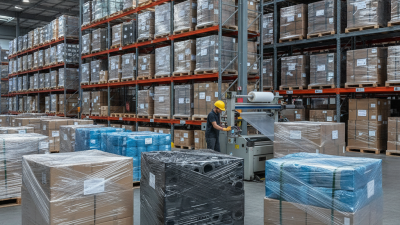
What Is the Best Pallet Wrapping Machine for Global Buyers?
Choosing the best pallet wrapping machine is not simply a matter of speed or price. Global buyers must consider load stability, film consumption, operator skill, export conditions, and after-sales support. A machine that performs well in a dry warehouse may struggle beside a cold loading dock. That detail matters.
Industry reports support this practical concern. PMMI’s packaging automation studies consistently identify labor availability, productivity, and flexible equipment as major investment drivers. Smithers’ global packaging forecasts also show continued demand for efficient, resource-conscious packaging systems. Meanwhile, MHI’s Annual Industry Report highlights supply-chain resilience and automation as continuing priorities for international businesses. These findings suggest that buyers should evaluate the complete operating environment, not only the wrapping cycle time.
In real purchasing projects, the strongest pallet wrapping machine usually balances pre-stretch performance, turntable capacity, film containment, safety controls, and service access. A 1,500-kilogram pallet with uneven cartons needs different handling from a stable food-grade load. Voltage compatibility and spare-parts availability can become decisive after installation. So can training. A low-cost machine may become expensive when film waste, downtime, or repeated repairs are ignored. No checklist is perfect. Buyers should test representative loads, measure film usage, and request transparent performance data before committing. This guide compares machine types, technical specifications, and supplier capabilities for global applications. The “best” choice is rarely universal; it is the machine that remains reliable under the buyer’s actual loads, workforce, climate, and distribution pressures.
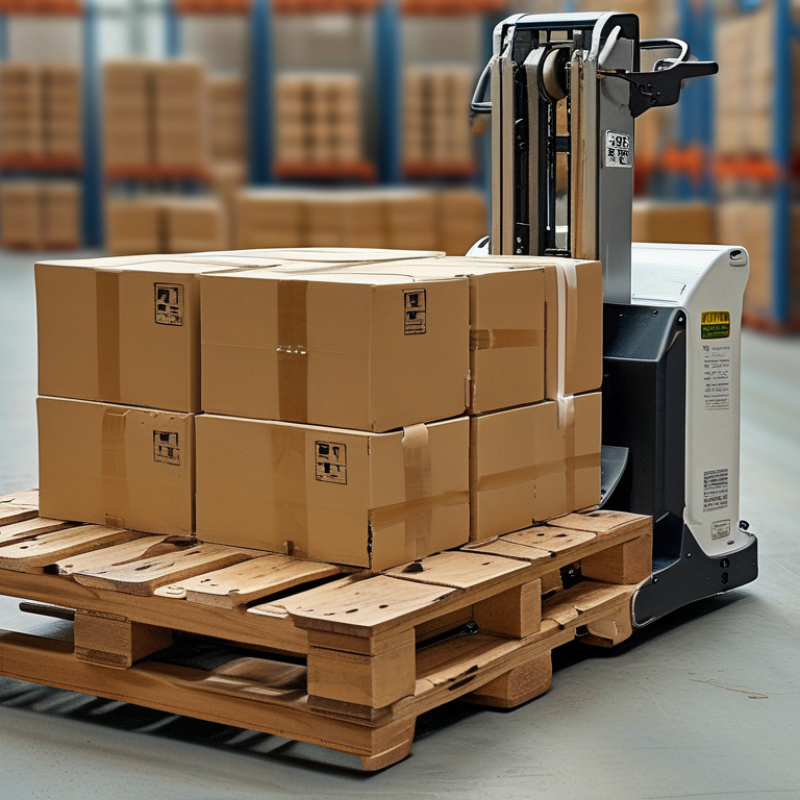
What Is a Pallet Wrapping Machine and How Does It Work?
What Is the Best Pallet Wrapping Machine for Global Buyers?
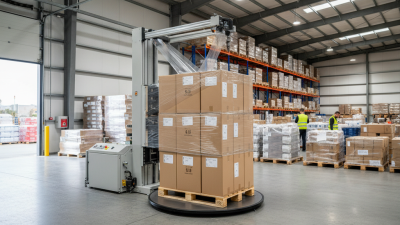
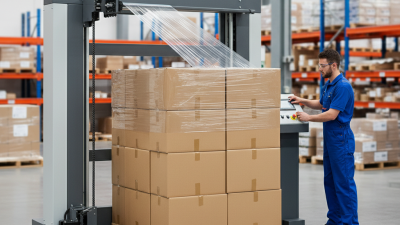
A pallet wrapping machine secures loads with stretch film before storage or transport. The load sits on a turntable, while a film carriage moves vertically. The machine rotates the pallet and stretches film around it. Sensors detect load height, and adjustable tension controls film tightness. Some systems also offer pre-stretch rollers, which elongate film before application. This can reduce material use, but poor settings may create weak corners or unstable loads.
The process is simple, but precision matters. Operators usually set rotation speed, film tension, carriage height, and top or bottom wraps. A consistent overlap protects cartons from dust, shifting, and minor handling impacts. The European Commission’s Packaging and Packaging Waste data highlights growing pressure to reduce packaging material and waste. Smithers also reports continuing growth in global stretch-film demand, driven partly by logistics and warehouse automation. These trends explain the interest in efficient wrapping equipment.
The machine is not magic. A neat wrap can still fail. Uneven pallets, crushed cartons, or excessive tension may cause damage. PMMI industry research identifies labor availability and automation as important packaging investment factors. In practice, buyers should test real pallet sizes, film grades, and load weights before choosing equipment. A slower machine with reliable tension control may outperform a faster model in difficult warehouses. Small adjustments often matter more than headline speed.
What Is the Best Pallet Wrapping Machine for Global Buyers?
What Is a Pallet Wrapping Machine and How Does It Work?
A pallet wrapping machine secures products with stretch film by rotating the pallet or moving around it while a film carriage controls film tension and stretch. The best configuration depends on pallet size, load stability, throughput, labor availability, and local power requirements.
How to read the chart: The chart compares common nominal pallet footprints. Buyers should select a machine with a turntable or wrapping area large enough for the pallet footprint, including any load overhang. Turntable machines are suitable for stable loads and fixed workstations, while automatic or mobile systems are better for higher throughput or variable warehouse layouts.
Which Pallet Wrapping Machine Types Suit Different Global Applications?
What Is the Best Pallet Wrapping Machine for Global Buyers?
Pallet wrapping machines should match load shape, warehouse speed, and operator experience. A semi-automatic turntable machine suits small warehouses and changing product sizes. Operators position the pallet, attach film, and start the cycle. It costs less, but output depends heavily on labor consistency.
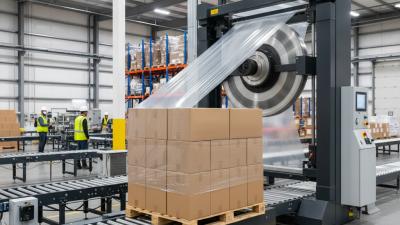
High-volume distribution centers usually need automatic turntable or rotary-arm systems. Rotary-arm machines keep unstable or lightweight loads still during wrapping. Conveyor integration also reduces manual handling.
The International Federation of Robotics reported 541,302 industrial robot installations worldwide in 2023. That figure reflects stronger automation demand, but automation alone does not solve poor load preparation. It can make mistakes faster.
Ring-type wrappers support continuous lines and high pallet throughput. They are useful for beverage, food, and export logistics operations. Stretch-hood systems provide strong weather protection for outdoor storage, though they require different film and heating controls.
For long, narrow, or irregular loads, orbital wrapping machines can perform better than standard turntables. Their results depend on careful film tension settings.
Smithers’ 2024 packaging market analysis expects global packaging demand to keep expanding through 2028. Buyers should therefore examine film consumption, maintenance access, and local technical support. A machine rated for 80 pallets per hour may perform differently with unstable loads. Factory trials matter. The “best” choice is sometimes discovered after testing, not during purchasing.
What Features Matter for International Shipping and Factory Integration?
A good pallet wrapping machine is not chosen by film speed alone. International shipping exposes weaknesses that a showroom test may hide. Salt air, voltage variation, long transit, and uneven pallets can change daily performance. In practical purchasing work, I look for adjustable pre-stretch, stable film tension, and sensors that detect irregular loads. Simple controls matter. Operators should learn the basic cycle without depending on a specialist.
Factory integration needs equal attention. The machine should communicate with conveyors, pallet scales, barcode systems, and warehouse software through clear interfaces. Useful options include remote diagnostics, emergency-stop circuits, recipe storage, and adjustable wrapping heights. Check the footprint carefully. A compact unit may still block forklift lanes or service access. Ask for electrical drawings, air requirements, spare-part lists, and training details before ordering. Documentation is often more valuable than a polished demonstration.
For international shipping, confirm crate protection, corrosion control, lifting points, and installation guidance. Test different pallet weights and unstable cartons, not only perfect loads. Film savings are important, but damaged goods cost more than extra rotations. Energy use, maintenance access, and local technician support also affect ownership costs. No specification sheet tells the whole story. One weakness remains: factory conditions change, and a machine that passes today may struggle next season. A reliable decision combines measured trials, operator feedback, and honest review of past failures.
How Can Global Buyers Select the Best Machine for Their Needs?
Global buyers should select a pallet wrapping machine from actual workflow data, not attractive specifications. Begin with pallet dimensions, daily volume, load stability, and available floor space. A machine handling 40 pallets per hour may be excessive for a small warehouse.
In warehouse evaluations, I measure film consumption, wrapping time, operator movement, and maintenance access. These details reveal the real operating cost. Choose a turntable model for moderate, predictable loads. Consider a rotary-arm design when pallets are unstable, oversized, or difficult to move. Check whether the machine adjusts film tension precisely. Excessive tension can crush cartons, while weak tension may allow shifting during transport.
Safety and compliance require careful attention. Confirm guarding, emergency stops, electrical compatibility, and user instructions for the destination country. Ask for load testing data, spare-parts availability, and a clear service response process. A reliable supplier should explain film specifications without hiding behind technical language. Look for adjustable wrapping programs, height sensors, and simple control panels. Complex controls sound impressive, but they can slow training.
Budget comparisons should include film waste, energy use, downtime, and installation costs. I have seen buyers choose the lowest purchase price, then struggle with frequent adjustments. That decision looked sensible at first. It was not. Still, premium automation is not always appropriate. A smaller operation may gain better value from a durable semi-automatic machine and trained staff. Leave room for honest reassessment when pallet sizes or shipping volumes change.