What is the Best Use of Shrink Wrap Bags for Shipping?
Shrink Wrap Bags have become essential for businesses focusing on shipping and product protection. According to a recent report by Packaging Strategies, the global shrink wrap market is projected to reach $16 billion by 2025. This growth highlights the increasing recognition of the advantages offered by shrink film packaging. Expert Tom Jacobs, a leading figure in the packaging industry, states, “Proper use of shrink wrap bags can significantly reduce damage during transit and ensure product integrity.”
These bags provide a secure seal that protects against moisture, dust, and physical damage. However, businesses must carefully consider how and when to use them for maximum effect. Misapplication could lead to wasted resources, loss of products, or additional shipping costs. For instance, over-tightening can cause distortion, while improper sizing may result in inadequate protection.
Understanding the nuances of Shrink Wrap Bags is crucial. It’s not just about choosing the right film but also about applying it correctly. Many companies overlook these details, leading to suboptimal performance. Striking the right balance can improve efficiency and enhance customer satisfaction. Engaging with industry experts can yield insights and help businesses avoid common pitfalls.
Understanding Shrink Wrap Bags: Definition and Purpose
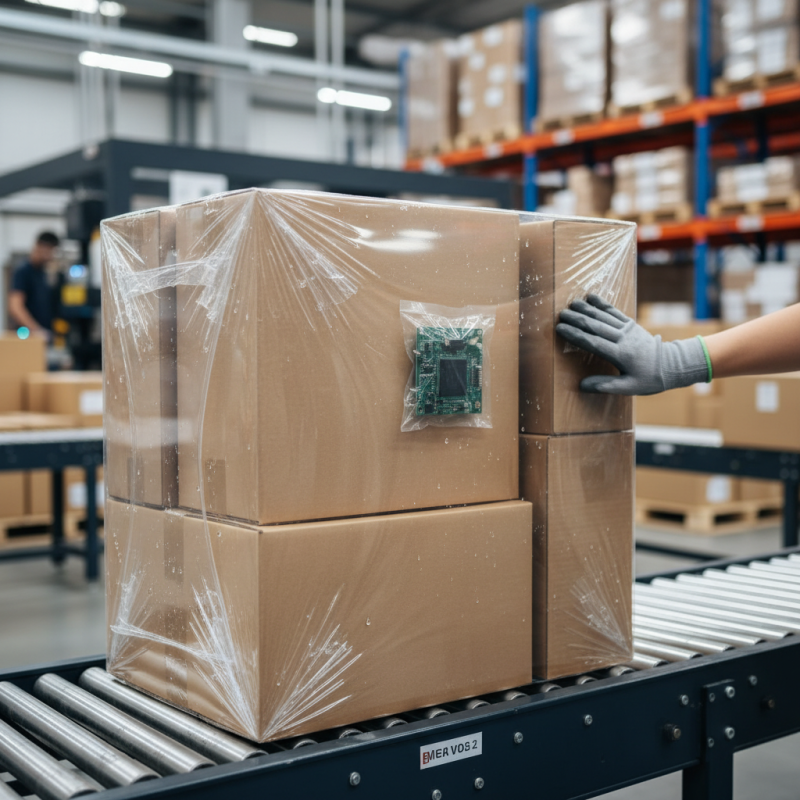
Shrink wrap bags are essential in the shipping industry. They provide a protective barrier for products during transit. These bags are made from polyethylene or polyolefin. When heat is applied, the material shrinks tightly around the enclosed item, ensuring a snug fit. This snugness prevents movement and reduces the risk of damage. According to industry data, using shrink wrap can decrease shipping damage by up to 30%.
The versatility of shrink wrap bags is impressive. They can be used for various items, from food products to industrial equipment. These bags help maintain product freshness and cleanliness. Research indicates that 70% of consumers prefer products that are well-packaged and visually appealing. Proper usage of shrink wrap can enhance product presentation. Increased visibility of products in a retail setting can lead to higher sales. However, improper application can lead to wastage of materials and inconsistent quality, impacting overall effectiveness.
Despite their many advantages, shrink wrap bags have some downsides. Excessive heat application can cause bag damage, compromising the product within. Additionally, environmental concerns arise with plastic use. The packaging industry is increasingly focusing on sustainable alternatives. Innovations in biodegradable wraps are ongoing, reflecting a shift toward eco-friendliness. It’s vital for businesses to weigh these factors when deciding on shipping methods.
Best Uses of Shrink Wrap Bags for Shipping
Types of Shrink Wrap Bags Suitable for Shipping
When it comes to shipping, choosing the right type of shrink wrap bags is crucial. These bags come in various styles, each designed for specific purposes. Polyolefin shrink wrap is a popular choice due to its strength and versatility. It protects items from moisture and dust. This type is often used for bundling products together, making it ideal for retail shipments.
Another option is PVC shrink wrap. While it is less flexible than polyolefin, it provides excellent clarity. This allows customers to see the packaged items clearly. However, it may not be suitable for heat-sensitive products, as it can release harmful fumes when heated. Careful consideration is needed when using PVC bags in certain environments.
Depending on your shipping needs, pallet shrink wrap could be the answer. It is thicker and more durable, designed to secure large loads during transportation. However, it might not fit all products. Notably, using the wrong size bag can lead to damage. It’s essential to evaluate your products and choose the best fit. Testing different types can also help identify the most effective option for your shipping needs.
Benefits of Using Shrink Wrap Bags for Shipping
Shrink wrap bags are increasingly popular in the shipping industry due to their unique benefits. One major advantage is moisture protection. According to industry studies, about 40% of shipping damages are linked to moisture exposure. Shrink wrap bags effectively seal goods, keeping them free from moisture and debris. Businesses that utilize these bags report a 25% reduction in damage claims related to environmental factors.
Another benefit is space efficiency. When items are shrink-wrapped, they can be bundled together, reducing the total volume for shipping. Data indicates that proper packaging can optimize shipping space by up to 30%. This efficiency not only lowers shipping costs but also minimizes carbon footprint. Companies embracing these practices can potentially save thousands annually, making it a sustainable choice as well.
However, companies should evaluate their specific needs. Not every item is suited for shrink wrap. Certain products might require additional cushioning or specialized packaging. As effective as shrink wrap bags can be, reliance on them without assessing individual packaging needs can lead to unintended vulnerabilities. It’s essential to balance cost savings with product safety and integrity.
Best Practices for Packaging with Shrink Wrap Bags
Shrink wrap bags are a versatile packaging solution for shipping. They provide excellent protection from dust, moisture, and physical damage. To maximize their benefits, start by ensuring that the item is clean and dry. This helps the wrap adhere properly and protects the product effectively.
When using shrink wrap bags, it's important to choose the right bag size. A bag that’s too large may lead to unnecessary movement, increasing the risk of damage. Conversely, a bag that’s too small could stress the product. Testing different sizes can help find the best fit.
Heat sealing is another crucial step. Apply even heat to promote a strong seal. Watch for signs of uneven shrinkage, as these can indicate improper sealing.
Labeling the shrink-wrapped packages enhances organization. Use visible, waterproof labels for clarity. However, don’t forget that excessive wrapping can be wasteful. Reflect on your practices to find a balance between protection and sustainability. Regularly reassess your packaging process for improvement opportunities.
Common Mistakes to Avoid When Using Shrink Wrap Bags for Shipping
When using shrink wrap bags for shipping, avoiding common mistakes can save you time and resources. One frequent error is not ensuring the right size of the bags. Oversized bags can lead to excess movement during transit. This can cause damage to the products inside, especially fragile items. On the other hand, bags that are too small may not provide adequate protection.
Another mistake is neglecting to seal the bags properly. An insecure seal can expose your items to dust and moisture. This separation can lead to forced re-packaging, which is time-consuming. It’s also essential to consider temperature when using shrink wrap. Extreme heat can cause the wrap to break down, while too cold can affect the seal. Maintaining proper conditions during packaging helps prevent these problems.
Finally, consider the shipping environment. Not all shrink wrap bags are suitable for long-distance transport. Choosing the wrong material can lead to unexpected deterioration. Regularly evaluating your shipping methods and materials helps keep your products safe and intact. Reflecting on these details can ultimately improve your shipping process and enhance customer satisfaction.
