
Blog

Top Book Printing Inspection Techniques for Quality Control?

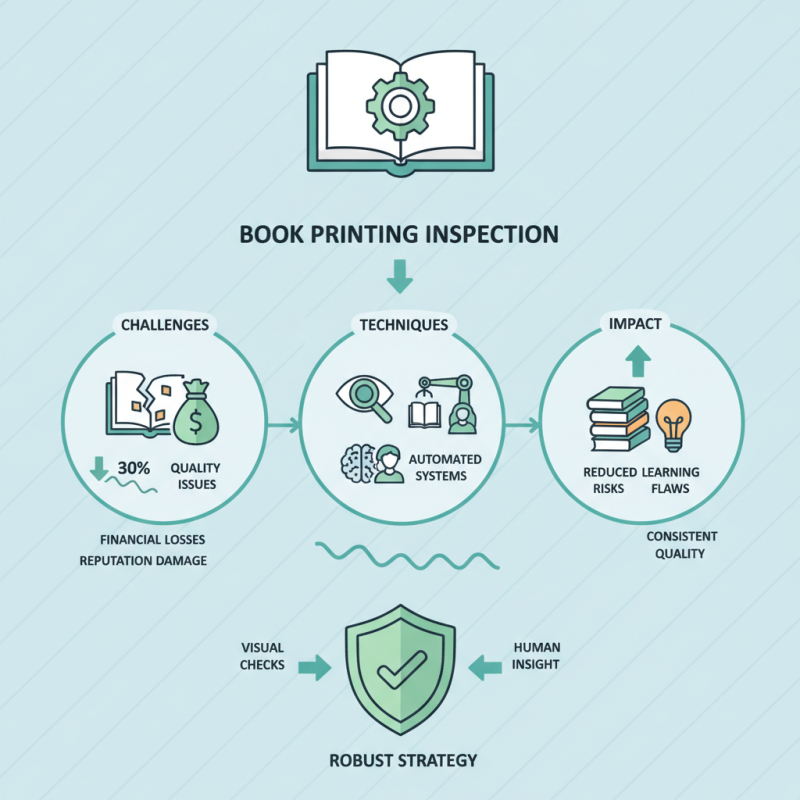
In the competitive landscape of book publishing, ensuring quality is paramount. Book Printing Inspection plays a critical role in maintaining standards. Recent industry reports indicate that nearly 30% of printed books encounter quality issues. This can lead to significant financial losses and damage to a publisher's reputation.

Effective inspection techniques can help reduce these risks. For instance, implementing rigorous visual checks can catch common defects like misalignment or color discrepancies. Advanced technologies, such as automated inspection systems, are gaining traction. They promise enhanced accuracy and speed but come with their own set of challenges. Not every publisher can afford these solutions, and relying solely on technology can overlook human insight.

Quality control is not just about identifying flaws; it is also about learning from them. Publishers often find themselves grappling with inconsistencies between print runs. Continuous reflection on the inspection process can reveal overlooked areas. Ultimately, a robust Book Printing Inspection strategy is vital for delivering high-quality publications consistently.
Top Book Printing Inspection Techniques for Quality Control?

Top Book Printing Inspection Techniques for Quality Control

In the world of book printing, quality control is vital. Many techniques exist to ensure the final product meets expectations. Visual inspection remains the most common method. Inspectors check for color consistency and alignment. Small errors can lead to bigger issues, like unsatisfactory prints. A careful eye helps catch these mistakes before the books reach customers.


Another technique is utilizing technology. Automated systems can detect flaws with precision. They analyze print quality, measuring ink density and registration. While effective, these systems are not foolproof. They may miss subtle imperfections. Relying too heavily on technology can lead to oversight. A balanced approach of human judgment and machine assistance works best.


Testing samples before large print runs is another practical method. It allows printers to identify potential issues early. However, this process can be time-consuming. Sometimes, it leads to last-minute changes that disrupt schedules. Finding the right balance between speed and quality is a constant challenge. Quality control in book printing requires persistent effort and reflection.

Importance of Quality Control in Book Printing Processes

Quality control in book printing is crucial. It ensures that every printed page meets the desired standards. Books are more than just ink on paper. They represent ideas, emotions, and stories. A single misprint can change the entire experience for a reader. This is where effective inspection techniques come in.

Common quality control methods include visual checks and color matching. Inspectors often look for alignment issues and ink consistency. Even experienced inspectors can miss small errors. A tiny smudge or a misspelled word may slip through. It's vital to remain vigilant. Regular training can help improve attention to detail.

Additionally, using technology can aid the inspection process. Automated systems can quickly identify flaws that human eyes might overlook. However, technology has its limits too. It may not pick up on nuanced visual aspects. A balance between human oversight and machine accuracy is essential. This combination can enhance the overall quality of book production. Being aware of potential pitfalls can lead to continuous improvement in the printing process.

Top Book Printing Inspection Techniques for Quality Control

Common Defects in Book Printing and Their Impact on Quality

In book printing, common defects can significantly impact the final quality. Misaligned pages can lead to frustration for readers. Printing errors like smudges or ink bleed diminish the visual appeal. Insufficient binding can result in loose pages, making the book hard to use. These defects compromise the overall reading experience.


When inspecting printed books, pay attention to details. Check for color accuracy. A vibrant cover matters greatly. Look closely for smudges or spots. These flaws can be distracting. Ensure that pages are cut properly. Uneven edges can affect the book's professional look. It's crucial to examine the binding as well. Weak bindings lead to durability issues.


Tip: Always perform a test print before the final run. This allows you to identify common defects early. Regular training for printing staff can enhance quality control. Encourage a culture of thorough inspection. Remember, even minor defects can affect reader satisfaction. Quality matters in every printed book.

Visual Inspection vs. Automated Inspection Techniques in Book Printing

In the book printing industry, ensuring quality is paramount. Visual inspection and automated inspection techniques each have their strengths. Visual inspection relies on human skill. It can detect subtle defects that machines may miss. A report by the Print Quality Association reveals that 70% of defects are caught during this phase. However, human error can also occur. Fatigue or oversight might lead to undetected flaws.

Automated inspection techniques use technologies like cameras and sensors. They provide speed and consistency. According to data from industry analysts, automation reduces inspection time by up to 50%. Yet, these systems might struggle with complex issues that require human intuition. Combining both methods strikes a balance, leveraging the strengths of each.

Tip: Train inspectors to recognize common defects. This improves the effectiveness of visual inspections.

Incorporating automation should not replace training. Continuous education for staff remains vital. Machines can enhance precision but lack human insight.

Tip: Regularly review automated inspections for common errors. This helps refine the systems and ensure they adapt to new challenges.

Statistical Process Control (SPC) Methods for Enhancing Quality

Statistical Process Control (SPC) methods are essential for maintaining quality in book printing. By using statistical techniques, printers can monitor and control the printing process effectively. This involves collecting data at various stages, such as ink usage and paper quality. Analyzing this data helps identify any variations that may affect the final product.

One effective SPC technique is the control chart. It displays data over time, highlighting trends, shifts, or any unusual patterns. Implementing control charts can reveal flaws in the printing process. If the ink density fluctuates, adjustments can be made promptly. Regularly reviewing this information ensures a more consistent product. Not all changes lead to improvements, though. Sometimes, unexpected issues arise that can derail efforts.

Process capability analysis is another useful tool. It assesses whether a printing process can produce items meeting quality standards consistently. If a significant number of printed items fall outside specifications, it's time for a deeper investigation. This might involve reevaluating equipment or training staff. Continuous feedback and reflection are vital for improving quality control in book printing.

Top Book Printing Inspection Techniques for Quality Control

Technique Description Statistical Method Key Metrics
Visual Inspection Manual check for visible defects in printing quality. Qualitative Analysis Defect Count, % Defective
Dimensional Measurement Measurement of physical dimensions against specifications. SPC Control Charts Mean, Range, and Standard Deviation
Color Calibration Ensuring color accuracy through calibration tools. ANOVA Color Difference, Delta E
Print Density Measurement Monitoring ink density to ensure uniformity and quality. X-Bar Control Chart Density Values, Standard Deviation
Binding Quality Inspection Assessment of binding strength and alignment. Binomial Distribution Pass Rate, Failure Rate

Conclusion

Effective quality control in book printing is essential to ensure that the final product meets the expectations of both publishers and readers. The article explores various Book Printing Inspection techniques, emphasizing the significance of adopting comprehensive quality control measures throughout the printing process. Common defects such as color inconsistencies, misalignments, and paper quality issues can severely impact the overall quality of printed books, necessitating meticulous inspection.

The discussion further contrasts visual inspection methods with automated inspection techniques, highlighting the benefits of each. Additionally, the incorporation of Statistical Process Control (SPC) methods is noted as a way to enhance overall quality, allowing for data-driven decisions. Finally, implementing industry standards and best practices can streamline the inspection process, leading to improved product quality and customer satisfaction in the competitive landscape of book printing.