Blog

What is a box erector machine and how does it work?

The box erector machine is vital in today's packaging industry. Its primary function is to form and seal boxes efficiently. According to a report from Markets and Markets, the global packaging machinery market is expected to reach $50 billion by 2024. As companies strive for efficiency, the box erector machine has become indispensable.

This machinery automates box production, reducing manual labor and speeding up processes. Statistics indicate that automated systems can enhance productivity by up to 300%. This efficiency can lead to significant cost savings and faster turnaround times. However, implementing these systems often requires upfront investment and careful integration with existing workflows.

Despite its advantages, businesses must also consider potential challenges. Maintenance and training are necessary for optimal operation. Understanding how a box erector machine functions can help mitigate these issues. By addressing these factors, companies can fully leverage the benefits of automation and improve their packaging operations.
What is a box erector machine and how does it work?

What is a Box Erector Machine?

What is a box erector machine and how does it work?

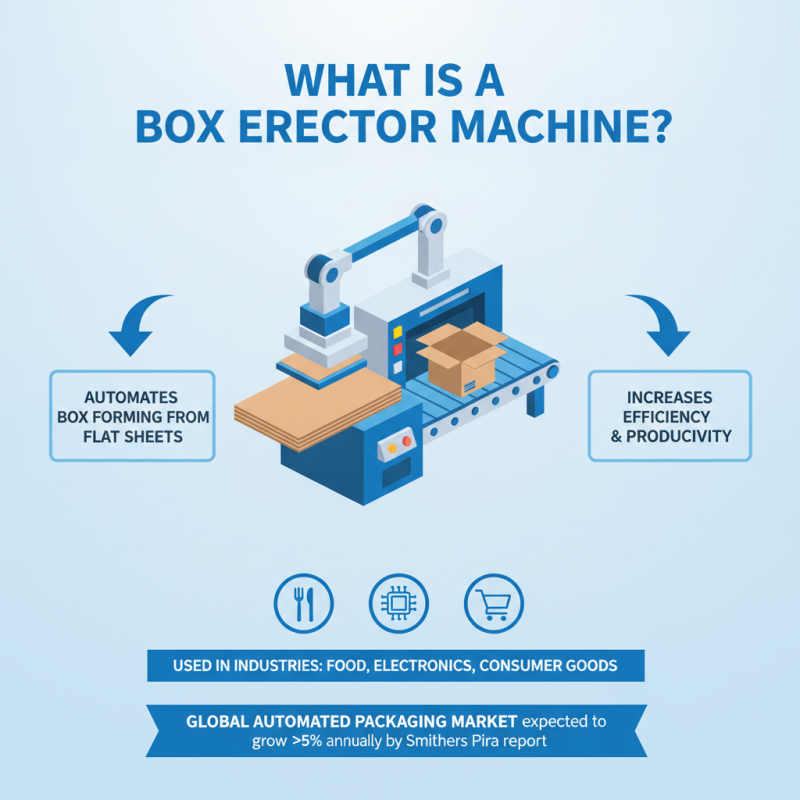
A box erector machine, often used in packaging, automates the process of forming boxes from flat sheets. This device is designed to improve efficiency in various industries, including food, electronics, and consumer goods. In fact, according to a recent report by Smithers Pira, the automated packaging equipment market is expected to grow by over 5% annually. This boom reflects a growing trend in automation to reduce labor costs and increase productivity.

Box erector machines work by taking flat cardboard or paperboard sheets and folding them into the desired box shape. These machines typically use mechanical or pneumatic systems to perform tasks quickly and accurately. Some advanced models can adjust to different box sizes without manual intervention. However, the initial investment for these machines can be high, which may deter smaller businesses from adopting this technology.

The reliability of box erector machines is crucial for maintaining operational flow. Downtime due to technical issues can lead to significant losses. Thus, manufacturers must consider maintenance and support services when choosing a box erector. Although these machines streamline processes, operators must also be trained to handle unexpected issues effectively. Balancing automation with skilled labor remains a challenge in modern manufacturing environments.
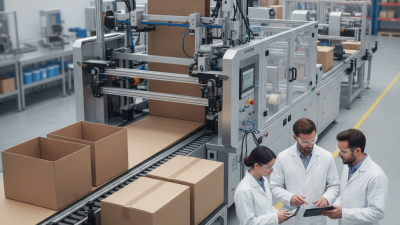
Key Components of a Box Erector Machine

The box erector machine plays a crucial role in packaging operations. Its primary function is to form cardboard boxes from flat sheets. Understanding its components can illuminate its efficiency.

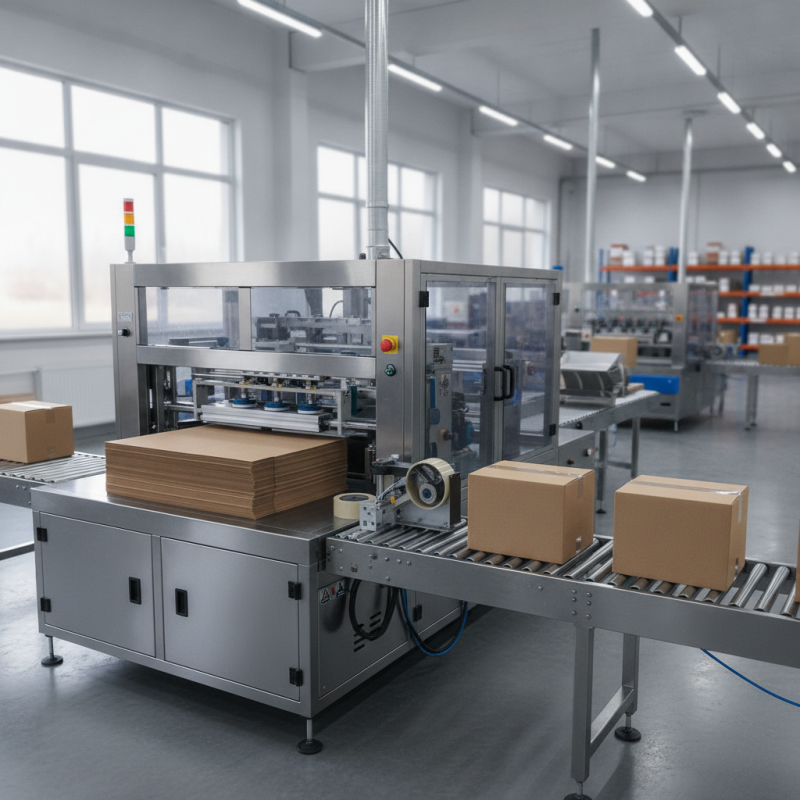
The machine consists of several key parts: the magazine, forming station, and sealing system. The magazine holds flat sheets of cardboard. It ensures a steady supply of materials for the formation process.

The forming station then folds and shapes these sheets into boxes. It often employs suction cups and mechanical arms to manipulate the cardboard. This precise operation promotes consistency in box quality.

The sealing system is essential for securing the boxes. It may utilize hot melt glue or tape for adhesion. Studies indicate that optimizing these components can enhance production speed by up to 30%. However, maintaining and calibrating these systems requires expertise. Any misalignment can lead to production delays. Thus, understanding each part's functionality is crucial for operational efficiency.

Production managers often advocate for regular training to minimize errors and improve the overall workflow.

Working Mechanism of Box Erector Machines

What is a box erector machine and how does it work?

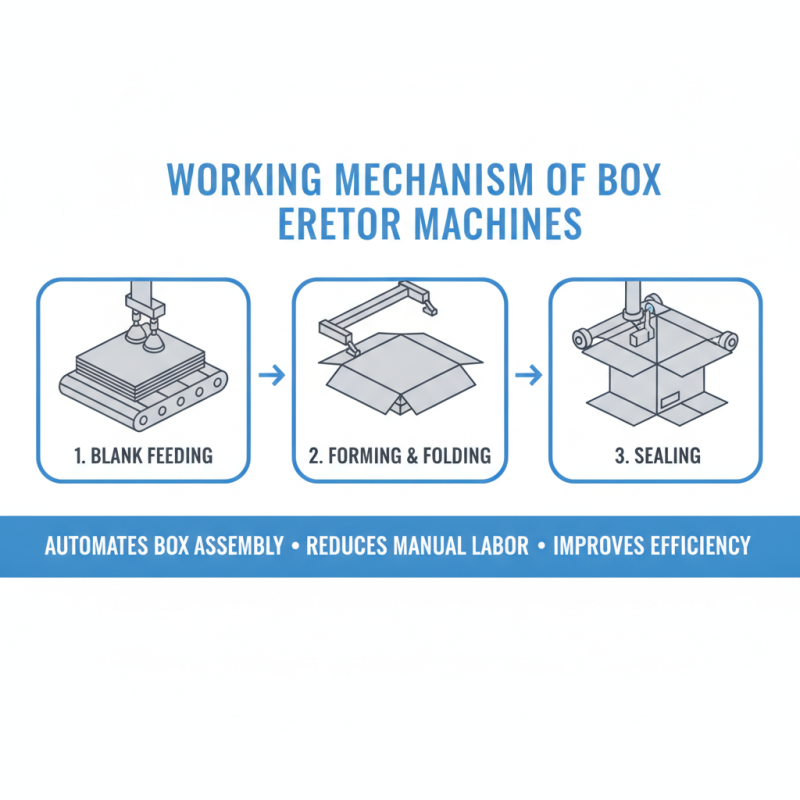
A box erector machine is essential in packaging industries. It automates the process of forming and sealing boxes. This reduces manual labor and improves efficiency.

The working mechanism of these machines is fascinating. They typically have a feed hopper where flat cardboard sheets are loaded. A robotic arm or suction device lifts them. Then, the machine folds the sheets into box shapes. The process can be completed in seconds, which is impressive. The boxes are then sealed using adhesive or tape. Adjustments can be made for different box sizes, showing versatility.

However, not all machines work flawlessly. Some may misfeed the cardboard or not seal properly. Maintenance is crucial to ensure the boxes are consistently well-formed. Issues like these can lead to production delays. Understanding these potential problems is vital for optimal efficiency.

Applications of Box Erector Machines in Industries

Box erector machines serve a vital role in various industries, efficiently forming cardboard boxes from flat sheets. These machines automate the packaging process, saving time and labor costs. They find applications in food and beverage, electronics, and cosmetics sectors, where packaging speed and precision are essential.

In the food and beverage industry, box erectors ensure that products are securely packaged. They create boxes that maintain freshness and protect items during transit. In the cosmetics industry, aesthetics are crucial. Box erector machines help create visually appealing packaging that attracts consumers. However, some companies face challenges in adapting these machines to unique box designs, which can lead to wasted materials.

Despite their advantages, not all box erector machines deliver consistent results. Variability in box quality can result from poor machine calibration. Companies must regularly inspect and maintain equipment to avoid disruptions. Investing in operator training is also essential. Workers often need to understand the machine's intricacies to maximize its efficiency and address minor issues quickly.

What is a box erector machine and how does it work? - Applications of Box Erector Machines in Industries

Dimension Description Industry Applications
Speed Can erect boxes at speeds ranging from 10 to 30 boxes per minute. Packaging, Food Production
Automation Level Fully automated machines reduce labor costs and increase efficiency. E-commerce, Consumer Goods
Box Size Compatibility Typically accommodates various box sizes, adjustable to fit different requirements. Pharmaceuticals, Electronics
Material Handling Can handle different materials, including cardboard and plastic boxes. Logistics, Retail
Maintenance Requires regular maintenance, typically easy to service. Manufacturing, Assembly Lines

Benefits of Using Box Erector Machines in Packaging Processes

Box erector machines have transformed packaging processes across various industries. They streamline the production line by efficiently creating boxes from flat materials. This automation reduces labor costs and minimizes errors that can arise from manual assembly. Workers can focus on other tasks, improving overall productivity.

One significant benefit is consistency. Box erectors ensure every box is formed to precise dimensions. This standardization leads to better packing efficiency. Products fit snugly, reducing damage during transport. Moreover, machines can operate at high speeds, facilitating increased output without compromising quality.

However, it’s crucial to consider the initial investment in a box erector machine. Smaller companies might find it challenging to allocate resources. There can be a learning curve for staff that requires training. Continuous maintenance is necessary to ensure optimal performance. Nonetheless, the long-term gains often outweigh these challenges, making it a worthwhile consideration for many businesses.