What Is a Box Erector Machine and How Does It Work?
A box erector machine automatically opens, squares, and forms flat cartons into usable boxes. It replaces repetitive hand assembly on packaging lines. In practical operations, this equipment can improve speed, consistency, and workplace ergonomics. It is not magic. Its performance depends on carton quality, correct settings, and regular maintenance.
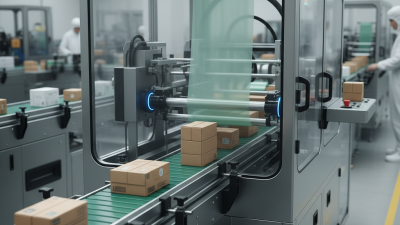
The process begins with a magazine holding collapsed cartons. A vacuum cup or mechanical arm removes one blank from the stack. Sensors check its position before forming starts. Belts and guides then pull the carton forward. Folding rails bend the panels along their scored lines. Glue, tape, or locking tabs secure the bottom flaps. The finished box moves onto a conveyor for filling.
Small details matter. Poorly scored cardboard may twist during forming. Humidity can soften cartons and cause misfeeds. Operators usually adjust guides, pressure, timing, and sensor sensitivity for each box size. A programmable control system coordinates these movements and records common faults. Experienced technicians also inspect suction cups, belts, nozzles, and folding rails before production begins.
A reliable box erector machine should match the carton dimensions, material, line speed, and sealing method. Capacity figures alone can be misleading. A fast machine may perform poorly with delicate or irregular cartons. Safety guards, emergency stops, and clear operating procedures remain essential. This guide explains the machine’s main components, working sequence, advantages, limitations, and maintenance needs. Some results still require judgment. Good automation supports skilled workers rather than replacing careful oversight.
What Is a Box Erector Machine?
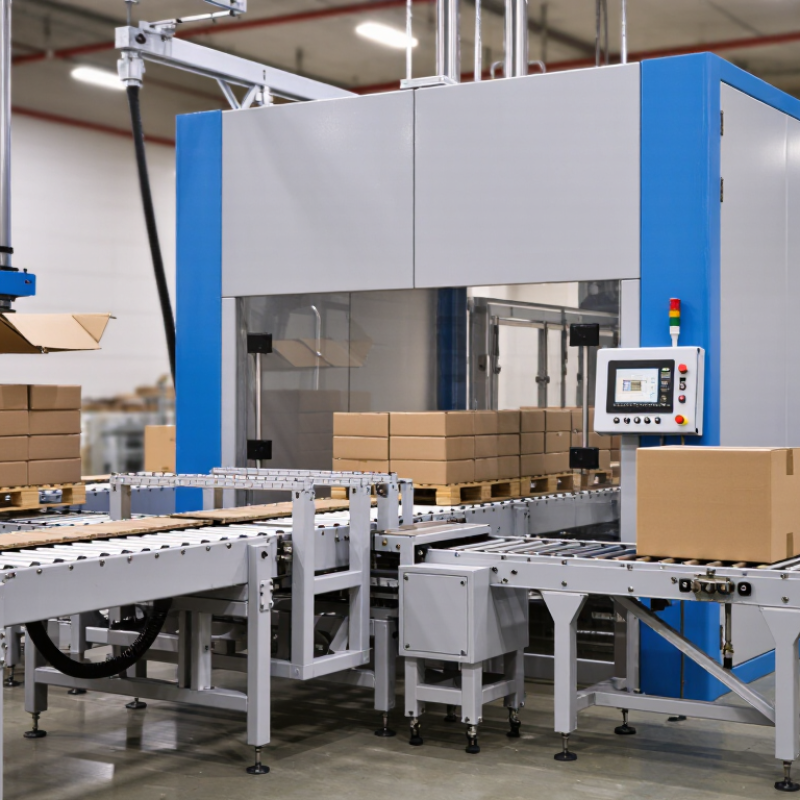
A box erector machine automatically changes flat corrugated blanks into open cartons. It draws one blank from a magazine, separates it with vacuum cups, and squares its four panels. Folding arms then bend the bottom flaps into position. Tape, glue, or another approved sealing method secures the base. The finished carton leaves the machine ready for filling.
The machine usually includes a blank magazine, vacuum system, forming guides, sensors, folding mechanisms, and a control panel. Sensors check carton position and help stop the cycle when a blank is missing. An operator still has an important role. They load the blanks, adjust guides, select the carton size, and inspect the first formed boxes. Small setup errors can create crooked corners or weak seals.
It is not magic.
In practical use, carton quality strongly affects performance. Warped board, uneven cuts, dust, or high humidity may cause misfeeds and jams. Regular cleaning and careful adjustment improve reliability. Operators should also verify guarding, emergency stops, and sealing temperature when applicable. A properly adjusted erector can reduce repetitive hand folding and maintain a steadier carton flow, but it cannot correct every poor-quality blank. Human inspection remains necessary, especially after changing carton sizes or materials.
What Are the Main Components of a Box Erector?
What Is a Box Erector Machine and How Does It Work?
What Are the Main Components of a Box Erector?
A box erector converts flat cartons into open boxes for filling. Its magazine stores collapsed blanks in a controlled stack. A separator removes one blank at a time. Vacuum cups or mechanical fingers then pull the carton into shape. Folding rails guide each panel through the forming cycle. The bottom flaps close next. Tape, hot-melt adhesive, or locking tabs secure the base.
The machine’s control system coordinates sensors, motors, pneumatic cylinders, and timing signals. Photoelectric sensors detect carton position and prevent double feeding. A programmable logic controller adjusts speed and fault responses. Safety guarding protects operators around moving assemblies. PMMI reported that U.S. packaging machinery shipments reached approximately $10.2 billion in 2023. Its industry reporting also identifies labor shortages and automation as continuing investment drivers. These figures explain the practical value of reliable carton forming, not just faster production.
Tips: Check blank dimensions, board stiffness, and flap design before installation. Poor carton quality can mimic a machine fault. Keep vacuum filters clean and inspect folding rails weekly. In my experience, small alignment errors create large jams. No setup is perfect. Leave room for adjustment, because real cartons vary more than specifications suggest.
How Does a Box Erector Machine Work Step by Step?
A box erector machine automatically opens flat cartons and shapes them into stable containers for packing. Its work begins when a magazine holds stacked, folded blanks. An operator loads the blanks and adjusts guides to match the carton size. Correct alignment matters. A small error can cause repeated jams.
A vacuum head or mechanical gripper lifts one blank from the magazine. The blank moves toward forming rails, which open the folded panels into a rectangular shape. Sensors check its position before the machine continues. The carton then reaches a folding station, where bottom flaps bend in a controlled sequence. Glue or tape may secure the flaps, depending on the packaging design. Rollers press the sealed area firmly while the carton travels forward.
The erected box exits onto a conveyor, ready for filling. This step-by-step movement usually takes only a few seconds. Still, speed should not replace inspection. Operators need to check glue temperature, tape tension, sensor response, and carton quality during production. Dust or warped blanks can affect performance. That detail is easy to overlook. In my experience, many stoppages come from poor carton storage rather than the machine itself. Settings should be tested with real boxes, not only empty trial movements. A careful adjustment may seem slow, but it reduces waste and protects consistent packaging results.
What Types of Boxes Can a Box Erector Handle?
Box erectors handle more than standard brown cartons; their real range depends on blank geometry, board, and closing method. FEFCO’s packaging code identifies the common regular-slotted carton as style 0201. It remains the easiest format to erect. The machine squares the blank, folds four flaps, and applies adhesive or tape. Fast and repeatable.
Half-slotted cartons, full-overlap boxes, trays, and display-ready cartons are also common. Die-cut cartons can run well when tooling matches the blank accurately. Tuck flaps and crash-lock bases require more precise folding control. Smithers’ 2024 corrugated-packaging study estimated the global market above 200 billion dollars in 2023, showing why format flexibility matters. Still, not every erector accepts every box. Machines may reject glued sleeves, extreme aspect ratios, or weak recycled board. Moisture changes board stiffness. I have seen a promising setup jam after minor flap-curling appeared. That experience is easy to underestimate. A factory trial should test each SKU, flute, adhesive, speed, and changeover time. FEFCO dimensions provide a useful starting point, not a guarantee.
What Types of Boxes Can a Box Erector Handle?
Box erectors are commonly configured for corrugated case styles such as Regular Slotted Containers, Half Slotted Containers, Full Overlap boxes, and five-panel folders. The exact compatibility depends on the machine’s forming tooling, carton dimensions, board grade, and closure method.
What Are the Benefits and Applications of Box Erectors?
A box erector machine converts flat corrugated blanks into usable cartons. It separates one blank, opens it with vacuum or mechanical arms, folds the panels, and seals the bottom. The operator then sends each carton toward filling and closing equipment. It is a simple sequence, but timing matters. A misaligned blank can produce a weak, twisted box.
The benefits become clear in busy packing rooms. Box erectors deliver consistent carton dimensions and reduce repetitive manual folding. They can also improve line speed, workplace ergonomics, and material control. The U.S. Census Bureau reported that e-commerce represented 15.6% of total retail sales in the fourth quarter of 2023. That pressure makes reliable carton forming more valuable for fulfillment operations. Smithers’ The Future of Corrugated Packaging to 2029 forecasts about 3.8% annual market growth, supported by online retail, food, and household shipments.
Applications range from food processing and personal care to electronics, spare parts, and distribution centers. Machines suit both regular slotted cartons and selected custom formats. They are especially useful where workers repeatedly form hundreds of boxes per hour. Still, automation is not magic. Changeovers, dust, warped blanks, and poor board quality can interrupt production. PMMI’s packaging automation research repeatedly identifies labor availability and throughput as major investment drivers. Yet every installation needs a measured trial, because the fastest machine may not be the most practical one.