China Top 10 Pallet Strapping Machine Manufacturers
China’s pallet strapping machine industry is moving from basic bundling toward measurable, connected, and labor-saving packaging operations. Smithers’ The Future of Global Packaging to 2028 projects continued growth in global packaging demand, driven by e-commerce, transport protection, and automated production. PMMI’s 2024 industry outlook also highlights labor shortages, equipment flexibility, and production efficiency as major investment priorities.
These pressures are visible on factory floors. A modern pallet strapping machine may apply two straps within seconds, detect poor tension, and stop when a strap feeds incorrectly. That detail matters. A loose pallet can shift during loading, while excessive tension may damage cartons or products. Jim Pittas, president and CEO of PMMI, has repeatedly stressed the practical value of automation: “Automation must support people, not simply replace them.” This principle fits pallet stabilization well, especially where operators handle repetitive loads for long shifts.
This China Top 10 list considers more than advertised speed. It examines machine structure, strap compatibility, tension control, sealing reliability, service coverage, customization, and documented customer experience. Public market reports rarely separate pallet strapping machine sales from broader packaging machinery figures. That is an important limitation. No ranking is perfect.
Still, supplier differences become clear through practical evidence: stainless-steel frames, guarded conveyors, accessible control panels, and spare parts that arrive before downtime becomes expensive. Buyers should verify claims directly. A polished brochure is not enough. Performance depends on pallet size, load stability, strap material, warehouse conditions, and operator training.
What Is a Pallet Strapping Machine?
What Is a Pallet Strapping Machine?
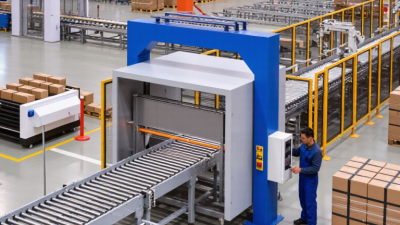
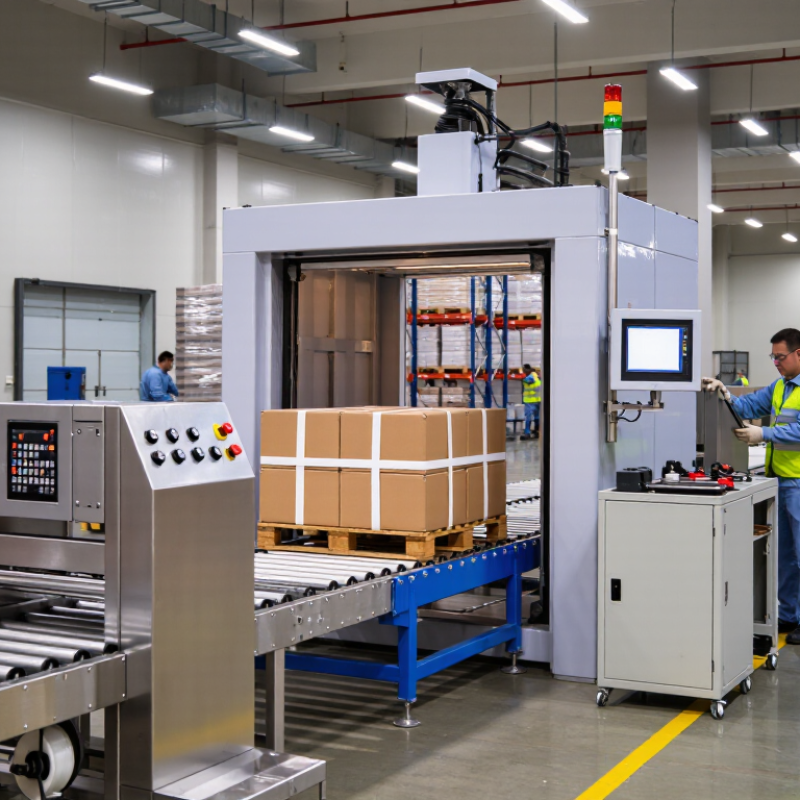
A pallet strapping machine secures cartons, bags, or cases with plastic strap. It positions the strap around a loaded pallet, tightens it, seals the joint, and cuts the excess. Common materials include polypropylene for lighter loads and polyester for heavier products. Unlike a stretch wrapper, it creates firm bands at selected points. A conveyor, photoelectric sensor, and automatic tensioning unit often control the cycle.
A practical machine may complete one strap cycle in 15 to 30 seconds, depending on pallet size and product stability. The International Federation of Robotics reported 541,302 industrial robot installations worldwide in 2023, a 10% annual increase. This growth reflects wider investment in repetitive packaging automation, including pallet securing. PMMI’s 2024 packaging industry research also identifies labor shortages as a major reason for automation projects.
Small details matter.
Uneven cartons can shift before the strap reaches full tension. Dust may weaken a heat seal. Excessive tension can crush soft boxes. A reliable installation therefore needs correct strap width, calibrated tension, guarded moving parts, and routine seal checks. It is not completely foolproof. Operators still need training, and production teams should test loads during actual transport conditions. A fast cycle means little if the pallet arrives leaning.
How Pallet Strapping Machines Work
China Top 10 Pallet Strapping Machine Manufacturers
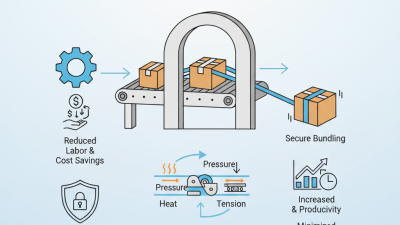
Pallet strapping machines secure loads by feeding plastic strap around a pallet. A conveyor moves the pallet into position. A sensor detects its location and starts the cycle. The machine then guides the strap through an arch or around the load. A tensioning unit pulls the strap tightly against cartons, boxes, or wooden pallets. Finally, a heating blade or friction seal joins the strap ends and cuts away the excess. The complete process often takes only a few seconds.
The result depends on accurate tension, clean sealing, and stable pallet loading. Polypropylene strap suits lighter packages, while polyester strap usually handles higher tension. Technicians should check strap width, surface condition, and package shape before adjusting the machine. A loose load may shift during transport. Excessive tension can crush cartons or bend pallet boards. The cycle sounds simple. It is not always perfect. Dust, uneven loads, and worn guides can cause weak seals, so regular inspection remains essential.
Tips: Keep the strap path free from dust and scraps. Test the seal by pulling it firmly after setup. Adjust tension gradually, not aggressively. Confirm that the pallet sits squarely on the conveyor. Operators sometimes blame the sealer first, but poor load alignment may be the real cause. Record failed cycles and inspect patterns; small repeated errors often reveal a larger maintenance problem.
Key Factors for Evaluating Chinese Manufacturers
When evaluating China’s top pallet strapping machine manufacturers, look beyond catalog photos and production claims.
A reliable supplier should explain tension range, strap compatibility, cycle speed, and sealing method in measurable terms. Ask for factory videos, test records, and a live demonstration using your actual pallet sizes. Real experience matters here. A machine that runs well on uniform cartons may struggle with dusty loads or uneven stacks. That gap can become expensive.
Check engineering depth through drawings, electrical diagrams, spare-parts lists, and maintenance instructions.
The control system should include clear alarms, guarded moving parts, and accessible emergency stops. Request sample output after continuous testing, not only one successful cycle. Independent inspection can verify build quality, wiring, and safety functions before shipment. Certifications should match the destination market and be supported by traceable documents. Paperwork alone is not proof.
Assess communication during quotation, design changes, and troubleshooting.
Ask who handles technical support, how quickly parts are dispatched, and whether remote guidance is available during your working hours. Speak with recent customers, while remembering that references may be carefully selected. No supplier is flawless. Some manuals may need clearer translations, and delivery estimates can shift when components are delayed. Put tolerances, acceptance tests, training, warranty coverage, and response times into the contract. Then compare total operating cost, not merely the lowest purchase price.
China’s Top 10 Pallet Strapping Machine Manufacturers
China’s Top 10 Pallet Strapping Machine Manufacturers represent a competitive manufacturing sector for warehouses, exporters, and distribution centers. A reliable supplier should offer stable tension control, consistent sealing, and practical pallet compatibility. Look for machines tested with different strap widths, pallet heights, and load conditions. A strong manufacturer also provides clear specifications, installation guidance, spare parts, and responsive technical support. These details matter more than attractive catalog images.
Tips:
Ask for a live video test with your actual pallet size and strap material. Check cycle speed, seal strength, noise, and adjustment time. Request recent quality records and a written warranty. Confirm whether technicians can support commissioning remotely. A factory that avoids specific answers deserves careful review. Small gaps often become expensive delays.
The best supplier is not always the largest producer. Manufacturing experience, inspection discipline, and honest communication are stronger indicators of long-term value. Review weld quality, electrical protection, conveyor alignment, and emergency-stop access. Ask how operators clean sensors after dust or film buildup. A thoughtful factory should explain likely failures, not promise a perfect machine. Even experienced buyers can overlook maintenance space around the strapping head. That mistake is common. Compare at least three technical proposals before making a decision.
How to Choose the Right Chinese Manufacturer
A top-ten list is only a starting point. Choosing the right Chinese pallet strapping machine manufacturer requires practical verification. Look for a factory with proven experience in your packaging environment. Ask for customer references, production photos, and a live video tour. Confirm whether the company designs, assembles, and tests machines internally.
Request a sample machine or a recorded trial using your actual pallet sizes and strap materials. Check tension stability, sealing quality, cycle speed, noise, and emergency-stop performance. A reliable supplier should provide clear technical drawings, spare-parts lists, manuals, and operator training. Review its quality records and factory inspection process, not just attractive product claims. Communication also matters. Slow answers before payment may become slower after installation. This is often overlooked.
Tips: Compare at least three quotations. Ask for total operating costs, not only the machine price. Clarify delivery terms, warranty response times, installation support, and replacement-part availability. Measure the machine footprint with a tape before ordering. One honest mistake: I once focused too heavily on speed and ignored adjustment time. The faster machine created more stoppages on uneven pallets. Ask for a written acceptance test with measurable results. That small document can prevent expensive misunderstandings.
China Top 10 Pallet Strapping Machine Manufacturers: How to Choose the Right Chinese Manufacturer
Use this practical procurement weighting model to compare shortlisted Chinese manufacturers. The percentages reflect the main factors typically evaluated when purchasing pallet strapping equipment; they are not company-specific ratings.