
Blog

How to Choose the Best Polyethylene Boards for Your Projects?

Choosing the right materials for your projects is critical. Among these materials, Polyethylene Boards stand out for their versatility. They are used in various applications, from crafting to industrial use. Their unique properties make them a popular choice.

When you explore Polyethylene Boards, consider the specific requirements of your project. Think about durability, flexibility, and resistance to chemicals. Not all boards offer the same quality. Sometimes, choices might not meet your expectations. Ensuring you select the best option requires careful research.

Price often influences decisions. However, a lower cost may lead to compromises in quality. It's essential to balance cost with long-term benefits. Reflecting on your choices will help you make more informed decisions. The right Polyethylene Board can elevate your project and ensure its success.
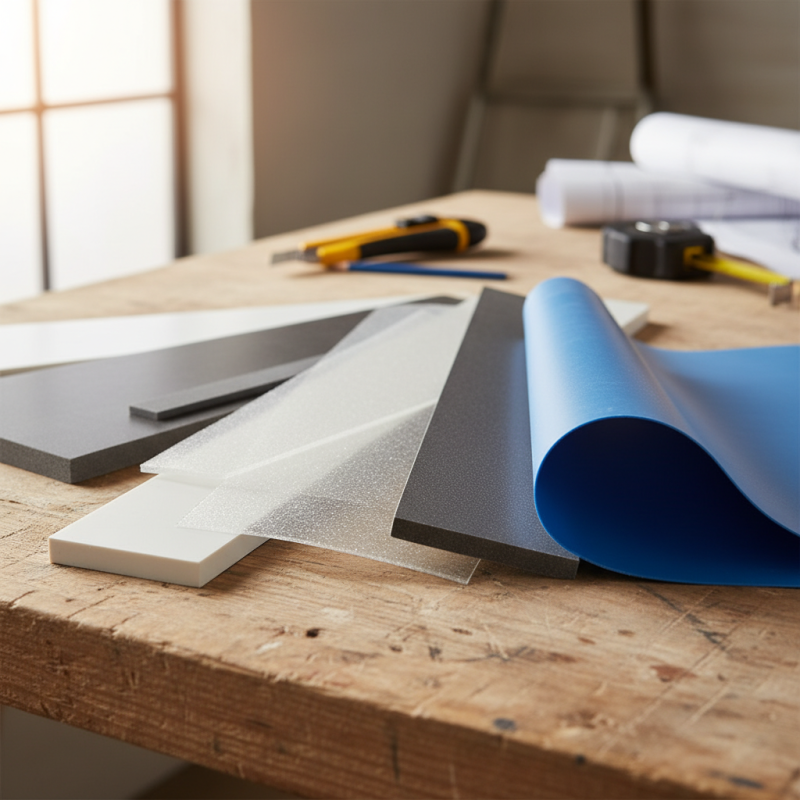
How to Choose the Best Polyethylene Boards for Your Projects?

Understanding Polyethylene: Types and Properties

Polyethylene is a versatile plastic widely used in various applications. It is essential to understand its types and properties when choosing the right boards for your projects. High-density polyethylene (HDPE) stands out for its strength and durability. This type is ideal for outdoor settings, such as playgrounds or garden beds. It withstands harsh weather and resists UV radiation. Its sturdy nature makes it less prone to cracking or breaking.

On the other hand, low-density polyethylene (LDPE) offers flexibility and easier shaping. It is better suited for applications needing softer materials, like packaging and liners. However, LDPE may lack the rigidity required for more structural projects. It’s also helpful to consider the thickness of the polyethylene board. Thicker boards provide better support but can be heavier and more challenging to handle.

Consider your project’s requirements carefully. Will the boards be exposed to outdoor elements? Do you need sturdiness or flexibility? The answers will guide your material choice. Reflect on your needs, as sometimes the ideal material may not be the most popular or obvious choice. Testing different types in small projects can reveal their true potential.

Identifying the Right Thickness for Your Project Needs

When selecting polyethylene boards, determining the right thickness is crucial. Thickness influences strength, durability, and overall performance. For light-duty applications, a thickness of 1/8 inch may suffice. However, heavier projects may require boards that are 1/4 inch or thicker. Think about the weight your project will bear. Too thin a board could warp or break under stress.

Tips for choosing the correct thickness:
- Measure your project's requirements carefully.
- Consider environmental factors. Extreme temperatures can warp thinner boards.
- Review any weight limits before making a choice.

Often, projects need a balance between weight and strength. For example, if you're crafting furniture, a thicker board may provide better support. Yet, if you're building a lightweight partition, a thinner board will do. Assess your design priorities to avoid over-engineering or compromising too much.

It’s worth reflecting on your needs. A thicker board may seem safer, but it adds weight. A lighter option can make transportation easier but may lack structural integrity. Finding the perfect thickness is about understanding your project’s demands and limitations.

Evaluating the Surface Finish: Smooth vs. Textured

When selecting polyethylene boards, the surface finish is a crucial factor. The choice often lies between smooth and textured finishes. Smooth surfaces are easy to clean. They allow for precise cutting and can be more visually appealing for some projects. However, they may not provide the best grip in applications where slippage is a concern.

Textured finishes, on the other hand, offer better traction. These surfaces can enhance the durability of the board in high-usage environments. Yet, they may trap dirt and grime more easily during use. Consider the specific requirements of your project. Identify whether ease of maintenance or grip is a priority.

Tips: When deciding, think about the project’s demands. Test samples of both finishes before committing. Each surface will behave differently based on its application. Keep in mind that not every project needs a perfect solution. Some trials can lead to unexpected insights.

Assessing Weather Resistance and Durability Requirements

When selecting polyethylene boards, assessing weather resistance and durability is critical. Polyethylene (PE) exhibits excellent chemical resistance and is often used in outdoor applications. According to industry data, high-density polyethylene (HDPE) can withstand temperatures ranging from -40°F to 120°F. This makes it suitable for varying climates. However, not all PE boards perform equally.

Factors such as UV exposure can degrade some polyethylene boards over time. Research by the Plastic Research Institute shows that boards formulated with UV inhibitors last significantly longer in direct sunlight. The resilience against moisture and rot sets HDPE apart from conventional materials, making it a preferred choice for outdoor projects. However, it's vital to verify the specifications before purchase.

Tips: Always check for certifications. Look for boards that meet ASTM standards for impact resistance and UV stability. This can save you from future issues. Additionally, take note of any warranty provisions. They often reflect the manufacturer's confidence in durability. Choosing the right board can impact the longevity of your project. Assess your specific needs carefully to avoid common pitfalls.

How to Choose the Best Polyethylene Boards for Your Projects? - Assessing Weather Resistance and Durability Requirements

Dimension Thickness Weather Resistance Durability Rating Applications
48 x 96 inches 0.5 inch Excellent High Outdoor furniture, marine use
36 x 72 inches 0.25 inch Good Medium Signage, storage solutions
60 x 120 inches 0.75 inch Very Good High Construction, packaging
48 x 48 inches 0.375 inch Excellent Very High Horticulture, cleaning applications

Considerations for Cost and Availability in Selection

When selecting polyethylene boards for projects, cost and availability play crucial roles. Understanding your budget limits is essential. Polyethylene prices can vary, so it helps to research suppliers in your area. Consider bulk purchases to lower costs. But keep in mind that cheaper boards may compromise quality.

Availability can also affect project timelines. It's wise to check stock levels before making decisions. Local suppliers might have faster delivery times than online options. Sometimes, specific sizes and types may be difficult to find. In those cases, consider alternative solutions or custom orders.

Tips: Always compare prices from different sources. Look for sales or discounts. When possible, inspect the boards in person. This helps ensure you get a reliable product. Be prepared to adjust your plans if a specific type is not available. Flexibility can save time and reduce stress during projects.