
Choosing the right components for your boat is crucial. One essential element often overlooked is the Marine Silicone Hose. This hose is designed specifically for use in marine environments. It offers durability, flexibility, and resistance to harsh chemicals.
Marine Silicone Hose is resistant to extreme temperatures and UV rays. These properties make it ideal for boats exposed to various weather conditions. By using this hose, you can prevent leaks and maintain the efficiency of your vessel. However, not all silicone hoses are created equal. Some may not withstand prolonged exposure to seawater.
Investing in high-quality Marine Silicone Hose can greatly enhance your boat's performance. It provides peace of mind, knowing you have reliable materials onboard. Choosing the right hose may seem daunting, but the benefits are clear. This decision supports a safer and more enjoyable boating experience.
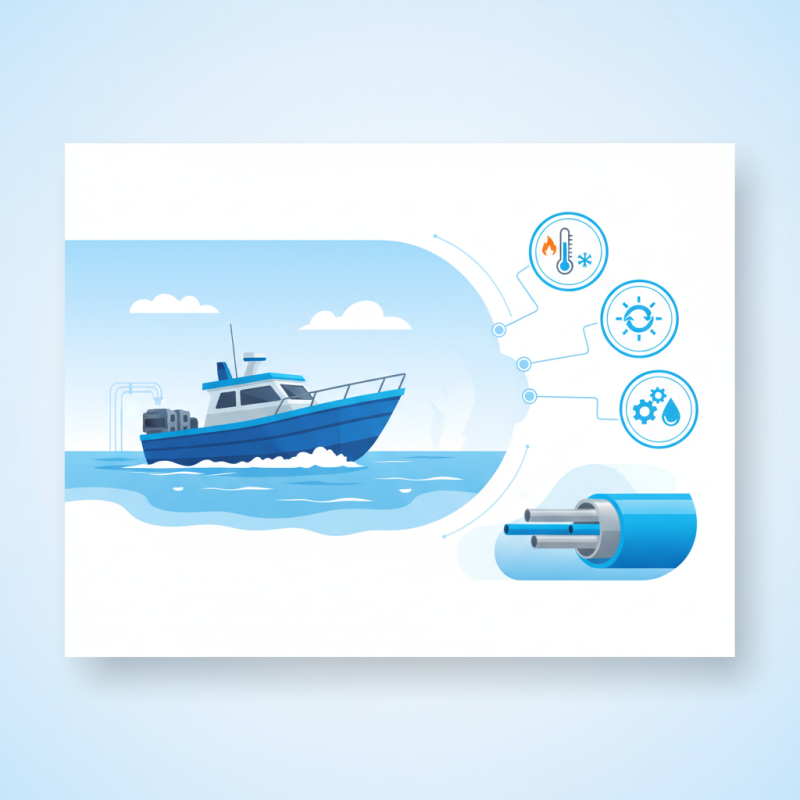
Marine silicone hoses provide numerous advantages for boating applications. These hoses are highly resistant to the harsh marine environment, including saltwater and UV rays. This durability ensures a longer lifespan compared to traditional hoses. Silicone hoses maintain their flexibility under extreme temperatures, from freezing cold to scorching heat. This feature is crucial for boats, which often experience rapid climate changes.
Using marine silicone hoses improves safety and performance. Their smooth walls allow for better fluid flow, reducing the risk of blockages. Additionally, silicone hoses do not expand or contract under pressure, which stabilizes the system. When installed correctly, they can withstand high pressure without bursting. However, it's essential to choose the right size and thickness for specific needs, as improper installation can lead to leaks.
Many boat owners appreciate the aesthetic value of silicone hoses. They come in various colors, enhancing the boat's appearance. Yet, some find the initial investment higher than conventional hoses. Reflecting on this, boaters should weigh the long-term benefits against upfront costs. Investing in quality materials often pays off through fewer replacements and repairs over time.
Marine silicone hoses offer numerous advantages over traditional materials. First, they are highly flexible. This flexibility allows for easier installation in tight spaces. Traditional hoses can be rigid and challenging to fit. Silicone hoses also maintain flexibility across a wide temperature range. They resist cracking and aging better than rubber or vinyl options.
Moreover, marine silicone hoses have excellent resistance to various chemicals and fluids. They can handle fuel, oil, and seawater without degrading. This durability increases their lifespan significantly. On the other hand, traditional materials may break down, leading to leaks and costly repairs. While silicone hoses are often more expensive upfront, their longevity can provide better value over time.
Maintenance is another crucial aspect. Silicone hoses require less frequent replacements than traditional options. However, they can also be sensitive to UV exposure over time. Proper care is necessary to ensure their longevity. Users should regularly check for any signs of wear and tear. This proactive approach helps maintain safety and reliability on the water.
| Feature | Marine Silicone Hose | Traditional Materials |
|---|---|---|
| Temperature Resistance | -60°C to 200°C | -20°C to 100°C |
| Flexibility | Highly flexible | Less flexible |
| Durability | Highly durable and long-lasting | Less durable, prone to wear |
| Corrosion Resistance | Excellent corrosion resistance | Limited corrosion resistance |
| Application Versatility | Suitable for various marine applications | Limited to specific applications |
| Cost | Higher initial cost | Lower initial cost |
Marine silicone hoses are essential for boat enthusiasts. They are designed to withstand challenging marine environments. One of their key features is their resistance to high temperatures and pressures. According to a report from the Marine Industry Association, silicone hoses can operate efficiently between -50°C and +200°C. This temperature range is crucial for various boat systems.
Another significant property is flexibility. Marine silicone hoses can bend without cracking, ensuring a tight fit in confined spaces. These hoses maintain their integrity under considerable stress. A study by the International Boat Builders’ Conference indicates that 90% of boat failures come from hose leaks and failures. Using high-quality silicone hoses can significantly reduce this risk.
Marine silicone hoses also resist corrosion and chemicals. This is vital when dealing with fuels and various fluids on board. A report by the Society of Naval Architects highlights the longevity of silicone hoses, often exceeding five years under typical marine conditions. However, improper installation or neglect can still lead to failures. Regular inspections and maintenance are necessary to ensure reliability.
When installing marine silicone hoses, proper techniques ensure optimal performance and longevity. These hoses are known for their flexibility and resistance to extreme temperatures. For installation, ensure clean cut edges on both ends for a snug fit. Use stainless steel clamps to secure them. Studies show that improper installation can lead to leaks, significantly increasing maintenance costs.
Regular maintenance is crucial for extending the lifespan of your marine silicone hoses. Inspect the hoses frequently for signs of wear or cracking. According to a report by the Marine Industry Association, nearly 30% of marine failures stem from inadequate hose maintenance. Such oversights can lead to mechanical breakdowns, especially during critical uses.
If you notice discoloration or hardening, it’s time to consider replacements. It’s also beneficial to keep a log of your maintenance checks. Monitoring performance can highlight underlying issues early. Engaging with reliable marine experts for advice can further enhance your maintenance approach. Proper maintenance not only ensures safety but also improves your boat's efficiency on the water.
Marine silicone hoses are crucial for various applications in marine settings, offering flexibility and durability that traditional materials may lack. These hoses are often found in cooling systems, bilge pumps, and exhaust systems. According to a recent industry report, over 70% of marine equipment failures relate to hose issues. Selecting marine silicone hoses can significantly reduce these risks.
In addition to their performance, marine silicone hoses are resistant to harsh marine environments. They withstand extreme temperatures and exposure to saltwater. This makes them suitable for applications in fuel transfer and fresh water applications. A study indicates that using high-quality silicone hoses improves system reliability by up to 50%.
**Tips:** Regularly inspect hoses for signs of wear. Look for cracks or soft spots which can indicate failure. Ensure proper installation to prevent leaks. Knowledgeable boat owners often replace hoses every few years, even when they appear intact. This proactive approach can prevent expensive repairs and keep your boat running smoothly. Always consider the specific requirements of each application when selecting hoses.