
When it comes to plumbing, selecting the right components is crucial. Threaded Pipe Fittings offer a reliable solution for various applications. These fittings are designed to create strong connections in a plumbing system. Their versatility makes them ideal for both residential and commercial use.
One might wonder why Threaded Pipe Fittings stand out. Their ease of installation saves time and labor. Many professionals trust these fittings for different types of pipes. Their robust construction resists corrosion and ensures long-lasting performance. Yet, some users may overlook proper maintenance. Neglecting this can lead to leaks and repairs.
Choosing Threaded Pipe Fittings reflects a commitment to quality. They help reduce the risk of plumbing failures. Understanding their benefits can enhance any plumbing project. Explore the reasons behind their growing popularity and the potential drawbacks. Recognizing both the strengths and limitations will lead to informed decisions.
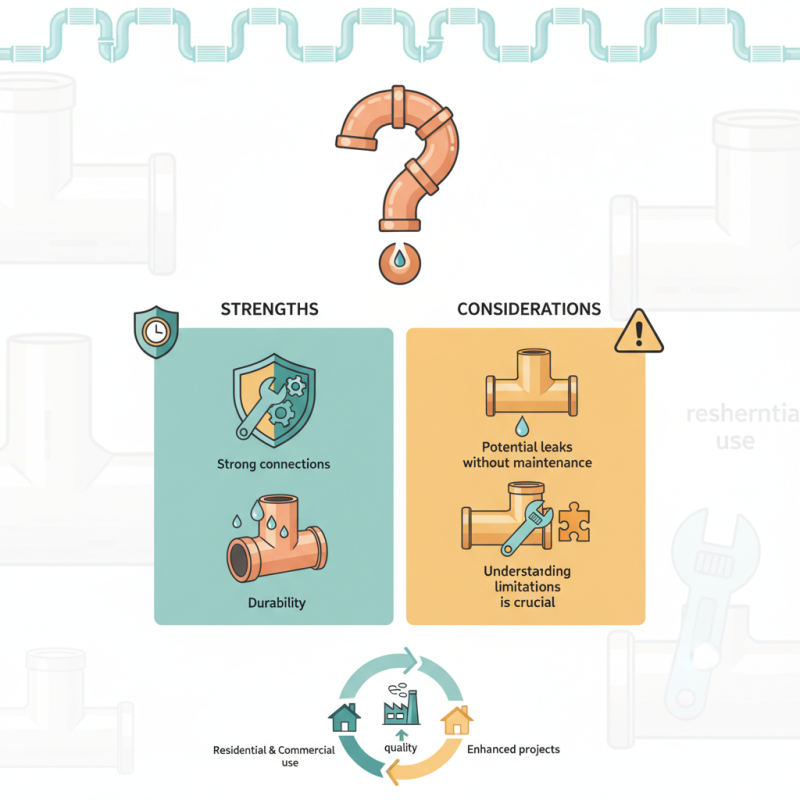
When it comes to plumbing systems, threaded pipe fittings offer several significant benefits. These fittings ensure secure connections between pipes, minimizing the risk of leaks. Their threaded design provides a tight seal. This is crucial in both residential and industrial installations.
Another advantage of threaded fittings is their ease of installation. Plumbers often prefer these fittings due to their straightforward assembly process. With basic tools, they can quickly connect or disconnect pipes. This simplicity can save time and reduce labor costs. However, it’s essential to ensure that threads are clean and aligned properly. Misalignments can lead to leaks.
Moreover, threaded pipe fittings are durable and versatile. They can withstand high pressure and varying temperatures. Many materials, such as steel and brass, are used to manufacture these fittings. However, potential rusting or corrosion can occur over time, requiring regular inspection. Ensuring maintenance can prolong the lifespan of your plumbing system. Choosing the right material based on your environment is crucial.
| Benefit | Description | Durability | Installation Ease |
|---|---|---|---|
| Versatility | Compatible with various materials used in plumbing. | High resistance to corrosion and wear. | Threaded fittings are easy to assemble and disassemble. |
| Cost-Effectiveness | Lower initial costs compared to other fitting types. | Long lifespan reduces replacement needs. | No special tools required for installation. |
| Leak Prevention | Provides a secure connection that minimizes leaks. | Threads allow for a tight seal when properly tightened. | Quick to install with reliable performance. |
| Maintenance | Easily accessible for repairs and modifications. | Requires minimal maintenance due to sturdy construction. | User-friendly, allows for DIY fixes. |
When it comes to pipe fittings, the choice between threaded and non-threaded options can significantly affect your plumbing system's performance. Threaded pipe fittings are known for their ease of installation. They allow for quick connections, which can save time during plumbing projects. The threaded surface creates a tight seal, reducing the risk of leaks. This feature is particularly beneficial in high-pressure systems. However, improper installation can lead to complications down the line. A cross-threaded fitting can result in serious leaks.
On the other hand, non-threaded pipe fittings, such as those using welding or solvent cement, offer a different set of advantages. They tend to provide a more permanent connection compared to their threaded counterparts. Such fittings can handle extreme pressure and temperature variations better. Still, they may require more labor and skill to install properly. Mistakes made during the installation process are often harder to rectify than with threaded fittings. An unsealed joint in a non-threaded fitting can lead to costly repairs and water damage.
In evaluating your plumbing needs, it's essential to consider the specific application and the potential environment of the installation. Each fitting type has its pros and cons, making careful selection vital. The right choice can impact not only performance but also the longevity of your plumbing system.
Threaded pipe fittings play a crucial role in plumbing systems. Their design allows for secure connections between pipes. Constructed from materials such as brass, stainless steel, or PVC, these fittings are both durable and versatile. The threading on the fittings ensures a tight seal, preventing leaks. This characteristic is essential in maintaining a reliable plumbing system.
Understanding the construction of threaded pipe fittings is key. The threads are precisely machined to ensure compatibility with standard pipes. They create a mechanical bond when tightened. This bond resists high pressure and temperature fluctuations. However, improper installation can lead to leaks. It is vital to follow best practices when connecting these fittings.
In many plumbing projects, threaded fittings are favored for their ease of use. They can be disassembled without damaging the pipes. Despite this, one must choose the right size and type. A mismatched fitting can cause significant problems. Awareness of these factors is essential for effective plumbing solutions.
Threaded pipe fittings are essential in various plumbing applications. Their design allows for easy assembly and disassembly. This makes them ideal for maintenance tasks. Installations in residential and commercial settings often rely on threaded fittings for their versatility.
In water distribution systems, threaded fittings create secure connections. They remain popular for connecting pipes in heating systems. Threaded fittings can handle high-pressure applications effectively. However, they may not be the best choice in all situations. They can corrode over time, especially in wet environments. This requires periodic inspections.
Another common application is in gas lines. Threaded fittings provide tight seals necessary for safety. However, improper installation can lead to leaks. It's crucial to ensure proper torque and alignment during installation. Overall, while threaded fittings are reliable, understanding their limitations is vital.
Threaded pipe fittings are popular due to their durability and ease of installation. However, maintaining them is vital for ensuring a long-lasting plumbing system. According to a report by the American Society of Mechanical Engineers (ASME), regular maintenance can extend the life of these fittings by up to 30%.
One effective tip is to routinely inspect your fittings for leaks. Even small leaks may lead to significant water loss over time. Tightening loose fittings can often resolve minor issues. However, be cautious not to overtighten, as this may cause damage. Another helpful practice is to clean the threads. Dirt and grime can build up, leading to poor connections. A soft brush can help remove debris without causing scratches.
It’s essential to be aware of the materials in your fittings. Corrosion can occur, especially in moist environments. Using anti-corrosive coatings or sealing compounds can mitigate these risks. Remember to check connections annually. This small effort can save you from larger plumbing issues down the road. Keeping track of maintenance schedules will help ensure your plumbing remains efficient.
This chart illustrates the advantages of using threaded pipe fittings in plumbing applications, focusing on key maintenance considerations.