
Choosing the right waterjet cutting machinery can be challenging. It isn’t just about price; features matter too. You need equipment that meets your specific needs.
Consider your materials. What are you cutting? waterjet cutting machinery is versatile. It can work with metal, glass, and stone. Each material requires different settings and capabilities.
Think about your workspace. Some machines are compact; others are larger and require more space. Maintenance is another factor. Regular upkeep is essential for performance. Not all users think about this early on. Reflect on what you really need. Saving money might not always lead to the best choices.
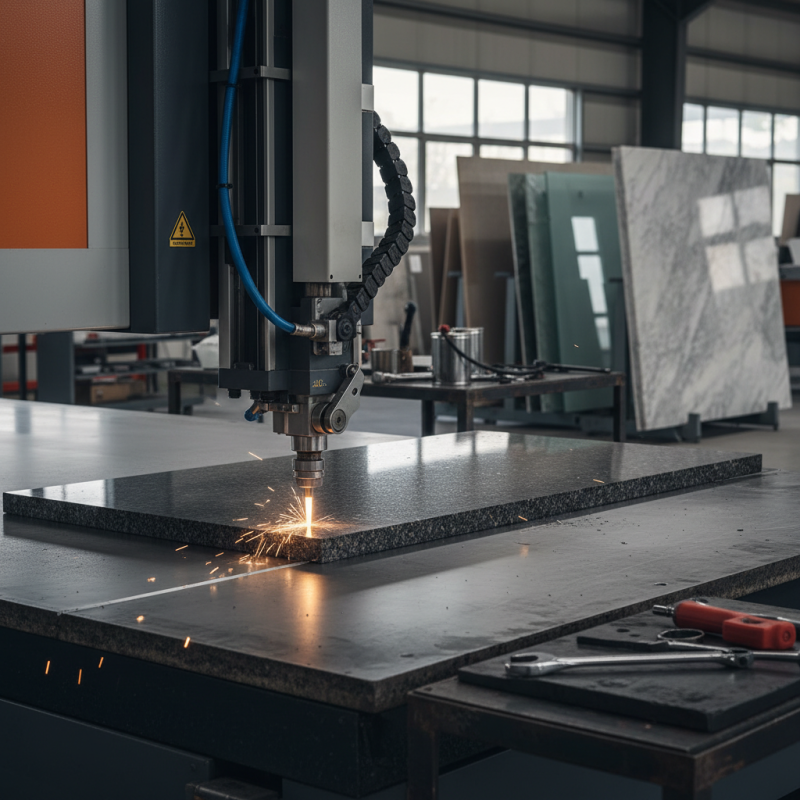
Waterjet cutting technology offers precise and versatile solutions for various industries. With a working principle grounded in high-pressure water mixed with abrasives, it can cut through materials like metal, glass, and stone. Reports indicate that the global waterjet cutting market is expected to reach USD 1.65 billion by 2025, growing at a compound annual growth rate (CAGR) of 7.5%. This growth reflects the technology’s increasing demand in manufacturing, aerospace, and automotive sectors.
Applications of waterjet cutting are vast. It serves industries from food processing to art. In metal fabrication, it enables intricate designs that traditional techniques often struggle with. A study noted that waterjet cutting boasts a tolerance of ±0.005 inches, showcasing its precision. However, while the technology is promising, cost and ongoing maintenance can pose challenges for smaller businesses. Not every shop can afford an advanced waterjet cutter. The investment requires careful consideration of the specific production needs and potential ROI.
Understanding waterjet cutting requires acknowledging its learning curve. Operators often face initial difficulties in mastering the software and settings. Miscalculations in pressure or speed can lead to wasting materials. Additionally, the energy consumption raises environmental concerns. Balancing efficiency with ecological responsibility remains a conversation in the industry. As technology evolves, these reflections can guide potential buyers.
When selecting waterjet cutting machinery, identifying your material processing needs is crucial. Different materials require specific cutting techniques. For instance, metals like aluminum and steel may need pressure settings between 30,000 and 60,000 PSI. These varying pressures impact cutting speed and edge quality. According to a recent industry study, over 70% of manufacturers indicate that material type significantly influences their choice of machinery.
Another critical specification to consider is thickness. Waterjet systems can cut materials ranging from thin plastics to thick metals. Research reveals that the average cutting speed decreases significantly with increased thickness. For example, cutting stainless steel over 1 inch thick can drop the speed to half of what it is for a thinner sheet. This slowdown can affect your production timeline.
Precise specifications lead to better outcomes. Some users fail to connect machine features with their specific material needs. Not all systems offer the same flexibility. A common oversight is not factoring in the abrasive material used. The type and size of abrasives can dramatically affect the quality of the cut. Thus, it’s essential to consider both the waterjet machine and the associated materials together. Making these connections can lead to improved efficiency and reduced waste in operations.
When evaluating different types of waterjet cutting systems, consider your specific project requirements. There are two main categories: pure waterjet systems and abrasive waterjet systems. Pure waterjet systems use only water for cutting softer materials. They work well for rubber, foam, and food products. However, they are not effective on harder materials like metal or stone.
Abrasive waterjet systems, on the other hand, add an abrasive material to enhance cutting power. These systems are suitable for various materials, including metals and ceramics. They offer versatility, but they can also require more operational adjustments. You may need to reflect on your material types, thickness, and desired finish.
Be aware that both systems have their shortcomings. For instance, abrasive systems can lead to a messy workspace. Pure waterjet systems may not produce precise cuts in tough materials. Understanding these limitations can help you make an informed choice tailored to your needs.
When choosing waterjet cutting machinery, several key features must guide your decision. High pressure is crucial. Most efficient machines operate between 30,000 to 60,000 psi. This range allows for precise cutting through tough materials like metal and glass. However, the higher the pressure, the more energy-intensive the machine becomes—an aspect worth considering for operational costs.
The cutting table design also plays a role. A well-designed table minimizes vibration and supports materials effectively. Look for a machine with a solid frame and a water trough for optimal performance. According to industry reports, maintaining stability can enhance accuracy and prolong the life of the machinery by reducing wear and tear. Additionally, software capabilities can significantly impact production efficiency. Intuitive programming environments yield better user experiences but may require training.
Finally, the size of the tooling options deserves attention. A broader range of nozzle sizes allows for flexibility in project capabilities. However, managing a variety of nozzles may complicate maintenance. Always consider how many accessories impede workflow. Not every feature is necessary for every application; knowing your priorities can help eliminate distractions in decision-making.
| Feature | Description | Importance |
|---|---|---|
| Cutting Head Type | Abrasive vs. Pure Water Cutting | Determines the materials that can be effectively cut |
| Power Supply | Electric vs. Hydraulic Power | Affects cutting speed and energy consumption |
| Tank Size | Larger tanks allow for longer cutting operations | Essential for maximizing efficiency and reducing downtime |
| Waterjet Pump Pressure | Measured in PSI, higher pressure generally means better cutting capabilities | Higher pressure can cut through thicker materials |
| CNC Control System | Software used for precision cutting paths | Essential for accuracy and repeatability in cuts |
| Maintenance Requirements | Ease of maintenance can reduce operational costs | Saves time and money in the long run |
| Portability | Weight and mobility of the machine | Important for varying job sites |
| Training and Support | Manufacturer support and training options available | Critical for maximized operational efficiency |
Choosing the right waterjet cutting machinery involves careful consideration of costs. Equipment prices can range significantly. Basic models might start at $50,000, while advanced systems can exceed $300,000. Understanding your budget is essential for smart purchasing.
Operating costs also play a critical role. The average cost per cutting hour can reach $20 to $40, depending on materials and complexity. Regular maintenance adds to expenses, impacting long-term budgeting. Operational downtime can incur additional costs you must factor in.
Tip: Create a detailed cost breakdown, including purchase, operating, and maintenance costs.
Take time to evaluate your production needs. If your projects are small, investing in a high-end machine may not be wise. Reflect on projected production volume and desired precision. Not every business will need advanced features.
Tip: Analyze industry reports for data on return on investment (ROI) when choosing equipment. This will provide valuable insight.