Why is Stretch Film Essential for Packaging and Protection?
Stretch film is a crucial component in today’s packaging and protection landscape. Its versatility and strength make it indispensable for various industries. According to a recent market report by Smithers, the global stretch film market is expected to reach $10 billion by 2025, reflecting its increasing significance in logistics and supply chains.
Expert John Anderson, a leading authority in packaging solutions, emphasizes the importance of stretch film. He states, "Stretch film is vital for securing products during transit. It prevents damage and enhances efficiency.” This statement underscores the film's role in reducing loss and ensuring product integrity.
However, while stretch film is essential, challenges remain. Sustainability is one major concern, as traditional stretch films are often not recyclable. Companies are now exploring alternatives that balance performance and environmental impact. The evolution of stretch film technologies raises questions about efficiency and ecological responsibility that industry leaders must address moving forward.
What is Stretch Film and Its Composition?
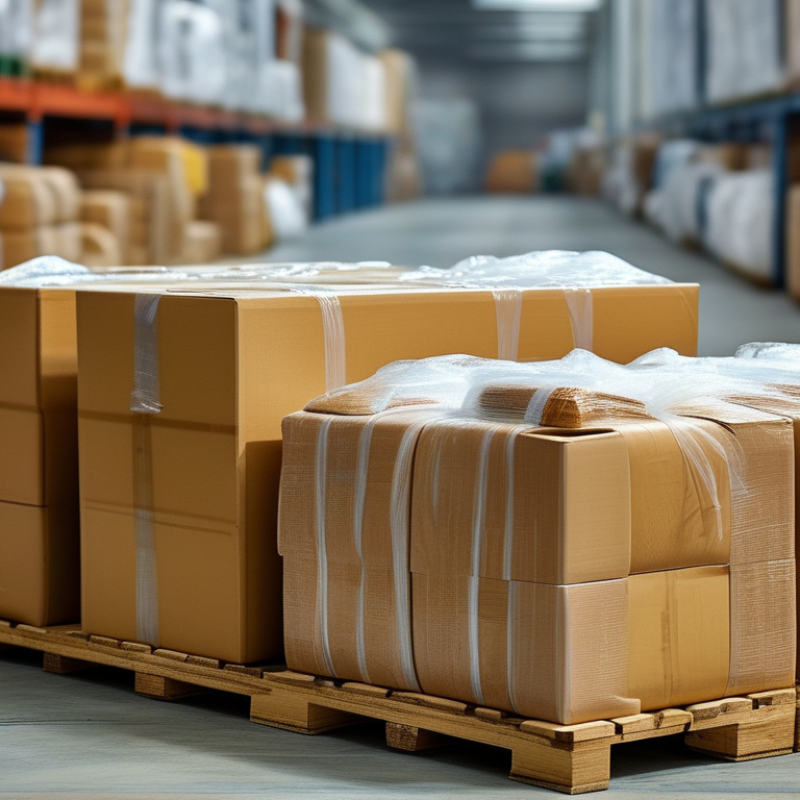
Stretch film is a versatile material widely used in packaging. It consists primarily of linear low-density polyethylene (LLDPE). This composition offers significant elasticity and strength. The film's ability to stretch allows it to conform tightly around products and pallets.
The manufacturing process of stretch film involves blending polymers with additives. These additives enhance its clarity, puncture resistance, and UV protection. The film can be created in varying thicknesses, making it adaptable for different needs. When wrapped around items, it provides a secure barrier against dust and moisture.
Not every stretch film is equal, and using the wrong type can lead to issues. For instance, a thinner film might not offer sufficient support for heavier loads. Users must consider the specific requirements of their products. Testing different types can be beneficial to find the most effective solution. Balancing cost and performance is crucial in ensuring that products remain protected during transit.
The Importance of Stretch Film in Packaging Industries
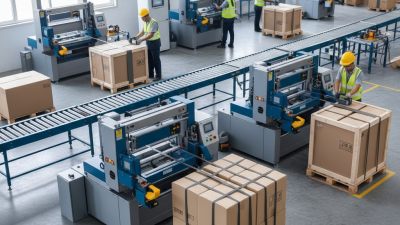
Stretch film plays a crucial role in the packaging industry, providing essential protection and efficiency. Its significance is underscored by recent reports, indicating that the global stretch film market is projected to reach $13.4 billion by 2027. This growth is driven by the increasing demand for efficient packaging solutions across various sectors, including logistics and retail.
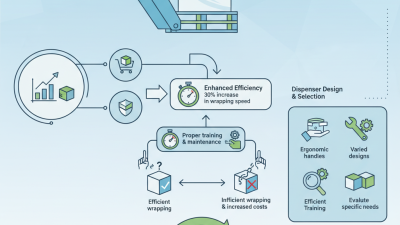
One of the key benefits of stretch film is its ability to preserve product integrity. According to industry studies, products wrapped in stretch film can experience less damage during transportation, reducing costs for businesses. The film is designed to cling tightly, preventing shifting or falling during transit. This protective layer minimizes product waste, which is vital for companies focusing on sustainability.
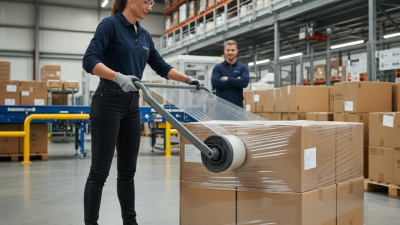
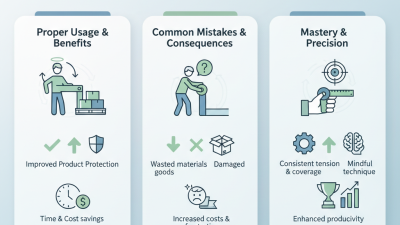
**Tip:** Ensure proper tension while applying stretch film to maximize its effectiveness. A well-wrapped load can reduce the risk of damage significantly.
Furthermore, stretch film offers versatility. It comes in various sizes and thicknesses, accommodating different types of products. This adaptability allows businesses to streamline their operations, whether they are packaging heavy machinery or lightweight consumer goods. However, companies must remain vigilant about film quality. Poor-quality stretch film can lead to increased costs and product risk.
**Tip:** Regularly evaluate the quality of your stretch film to ensure optimal performance. Investing in high-grade materials yields long-term benefits.
Importance of Stretch Film in Packaging Industries
Benefits of Using Stretch Film for Product Protection
Stretch film plays a vital role in packaging and protecting products during transport and storage. Its elasticity allows for a snug fit around items, minimizing movement and reducing the risk of damage. When used properly, stretch film can extend the life of a product by safeguarding it from dust, moisture, and other environmental factors.
One significant benefit of stretch film is its ability to provide excellent load stability. This is especially crucial when shipping goods. Properly wrapped pallets prevent shifting and falling during transit. If you neglect to use enough layers, your products may become dislodged. Consider investing time in learning the best wrapping techniques to enhance protection.
When applying stretch film, pay attention to the thickness and type. A thicker film often offers better puncture resistance. Moreover, using colored stretch film can improve visibility and organization in a warehouse. This prevents confusion and minimizes the chance of picking errors. Evaluate your inventory regularly to ensure you are using the most suitable film for your needs. Keep experimenting with different methods to find what works best for you.
Why is Stretch Film Essential for Packaging and Protection?
| Benefit |
Description |
Application |
| Protection Against Dust and Moisture |
Stretch film provides a barrier that protects products from dust, moisture, and other contaminants during storage and transportation. |
Warehousing and Shipping |
| Load Stability |
It secures products on pallets, preventing shifting and ensuring safe delivery. |
Palletization |
| Cost-effectiveness |
Stretch film is typically less expensive than other packaging materials, providing a cost-effective solution for protecting products. |
General Packaging |
| Versatility |
Available in various thicknesses and sizes, making it suitable for different products and applications. |
Multiple Industries |
| Tamper Evidence |
Stretch film can be used to show if a package has been tampered with, enhancing security. |
Retail and Food Packaging |
Different Types of Stretch Film and Their Applications
Stretch film is an essential tool in packaging, known for its versatility and effectiveness in securing products. There are various types of stretch film available, each with unique features suitable for different applications.
Standard stretch film is commonly used for bundling and wrapping products on pallets. It’s elastic and provides excellent load stability. You can find it in different thicknesses, ensuring it meets your specific needs. For heavier items, a thicker film offers added protection.
Another type is pre-stretched film, which requires less force to apply. This makes it easier for employees to use. It also provides strong clarity, allowing for easy barcode scanning. However, it may not offer the same load retention as standard films, which is a consideration during use.
Color-coded stretch films serve more than just aesthetics. They can indicate specific products or handling instructions. This can enhance organization within warehouses. Reflecting on these various types helps businesses choose the right film for their needs. Each has its advantages and shortcomings. The key lies in understanding which film aligns best with your operational goals.
Environmental Considerations of Stretch Film Use and Recycling
Stretch film plays a crucial role in the packaging industry, particularly regarding environmental considerations. Recent studies show that over 4 million tons of stretch film are consumed globally each year. Despite its efficiency in protecting products, concerns about its environmental impact remain significant. Made primarily from polyethylene, stretch film is not biodegradable and contributes to plastic pollution.
Recycling is a key solution. According to the Flexible Packaging Association, about 30% of stretch film is recycled in industrial applications. However, this number is far too low. Increasing awareness and access to recycling programs can improve these figures. Consumers and businesses must work together to create a circular economy for stretch film.
Tips: Always check local recycling guidelines for plastic wraps. It is essential to clean the stretch film before recycling. Efforts to reduce waste can also include purchasing materials in bulk to minimize packaging. By adopting these practices, we can reduce stretch film's environmental footprint while maintaining its protective benefits.