
Blog

How to Improve Print Inspection for Quality Control in 2026?

In the evolving landscape of print production, "Print Inspection" plays a crucial role in ensuring quality control. According to a recent industry report by Smithers Pira, print defects can account for up to 15% of production costs. This statistic underlines the urgency for brands to invest in advanced inspection technologies. In 2026, the need for enhanced inspection processes will be more pressing than ever as consumer expectations rise.

Implementing effective print inspection systems can significantly reduce waste and increase profitability. However, many companies still struggle with outdated methods. A staggering 43% of print firms report dissatisfaction with their current inspection solutions. The challenge lies not only in technology adoption but also in workforce training and procedural updates. Striking a balance between automation and human oversight remains essential.

Despite advancements, imperfections persist in the print quality landscape. Products may still leave the line with undetected flaws. This calls for a critical assessment of current practices and a willingness to embrace innovation for better outcomes. Improving print inspection will not only enhance quality but also strengthen brand reputation in a competitive market.
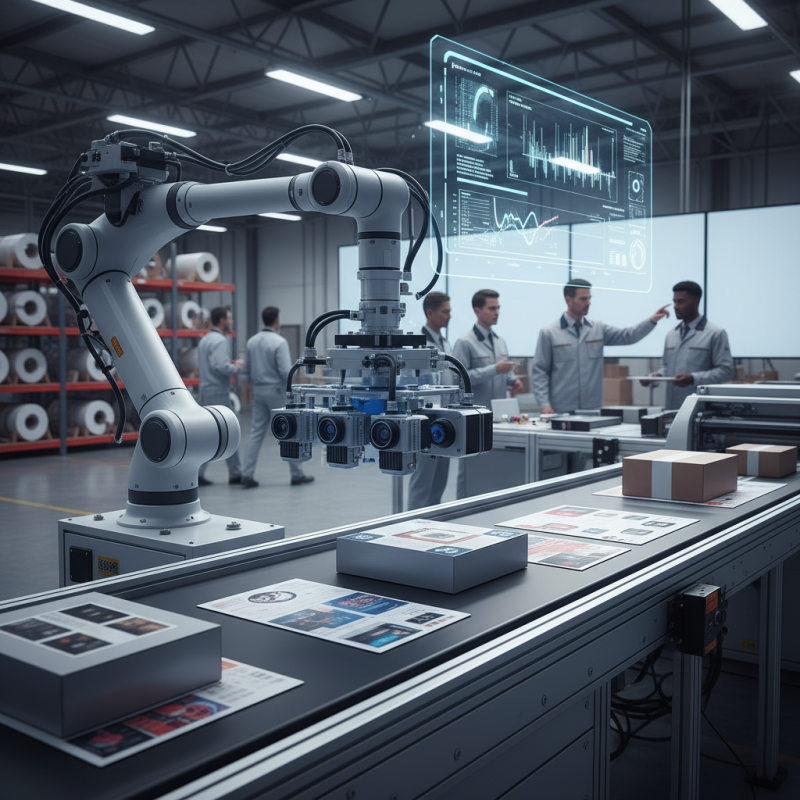
How to Improve Print Inspection for Quality Control in 2026?

Strategies for Leveraging Technology in Print Inspection Processes

In 2026, improving print inspection will rely heavily on technology. Automated systems can significantly minimize human error. By integrating artificial intelligence, companies can enhance print quality assurance. AI can quickly identify flaws that might escape human eyes. This leads to better accuracy and consistency in inspections.

Tips for implementation: Invest in training staff to work with new technologies. Having skilled personnel ensures that the systems function efficiently. Regularly update technology to keep up with industry standards.

Integrating cloud-based tools can streamline communication. Teams can collaborate effectively from different locations. However, be aware of potential data security risks. It's crucial to maintain strong cybersecurity measures. Reflect on past challenges to avoid repeating mistakes. Continuous improvement is essential for a robust print inspection process.

Implementing AI and Machine Learning for Enhanced Quality Control

The integration of AI and machine learning in print inspection is transforming quality control. These technologies can analyze images in real-time, identifying defects with speed and precision. Advanced algorithms sift through vast amounts of data, enhancing detection accuracy. However, reliance on these systems can lead to overconfidence. Not all defects are caught, and false positives may arise.

Implementing these technologies requires careful training. Machines need extensive data to function effectively. Insufficient data can lead to incorrect assessments. Human oversight remains essential. Inspectors must regularly review results generated by AI. This helps catch errors that the system might miss. Creating a harmonious workflow between human inspectors and machines is crucial.

As we advance towards 2026, exploring the limitations of current technologies is important. Continuous feedback loops can refine AI systems. These enable learning from past mistakes. A balance must be struck between automation and human intuition, ensuring robust quality control in print inspection. The aim is to foster innovation without neglecting the human touch that can discern subtle quality nuances.

How to Improve Print Inspection for Quality Control in 2026? - Implementing AI and Machine Learning for Enhanced Quality Control

Inspection Method Technology Used Accuracy Rate Time Taken Per Inspection (Minutes) Cost (Per Inspection)
Manual Inspection None 85% 30 $10
Automated Optical Inspection Machine Vision 92% 15 $25
AI-Powered Inspection Artificial Intelligence 98% 10 $40
Machine Learning Enhanced Inspection Machine Learning 95% 12 $35
Integrated Inspection System AI + Machine Learning 99% 8 $50

Developing Standardized Procedures for Print Inspection in Manufacturing

In the evolving landscape of manufacturing, standardized procedures for print inspection are paramount. A report from Smithers Pira reveals that quality control issues account for up to 30% of manufacturing waste. Streamlining inspection protocols can significantly mitigate these losses. Inspectors should utilize clear, written guidelines that specify acceptable quality metrics. This includes color match standards, print alignment, and the integrity of printed materials.

Moreover, incorporating automated inspection technologies can enhance consistency. AI-driven systems detect anomalies faster and more accurately than manual inspections. However, these systems are not infallible. Human oversight remains crucial to catch issues that technology might miss. According to a 2023 industry survey, 70% of manufacturers report that a blend of automated and manual checks offers the best results. Regular training sessions for staff can help maintain high standards, but there is often a gap between best practices and actual implementation in the field.

Finally, ongoing feedback loops are vital. Companies often overlook the importance of employee insights on inspection challenges. In a 2022 assessment, 65% of employees indicated they felt unheard regarding inspection process inefficiencies. Creating a culture that values these insights can lead to continuous improvement. Recognizing that no system is perfect encourages manufacturers to reevaluate their processes constantly.

Training Staff on New Inspection Techniques and Technologies

In 2026, enhancing print inspection for better quality control requires innovative approaches. Training staff on new inspection techniques is crucial. The Global Manufacturing Report warns that up to 30% of production errors stem from inadequate staff training. Therefore, investing in comprehensive training programs is essential.

Modern technology, such as AI-driven inspection systems, can detect flaws faster and more accurately. According to a recent industry survey, companies using AI tools reported a 25% reduction in waste. However, many operators struggle with these new systems, indicating a gap in skills. Frequent workshops and hands-on training sessions can bridge this gap.

It’s not just about learning the technology. Staff must understand the underlying principles of quality control. Misunderstandings can lead to more errors. For instance, a recent case study revealed that 15% of defects were due to human oversight during inspection. Regular training refreshers and real-time performance feedback are vital for maintaining a quality mindset throughout the workforce.

Integrating Real-Time Data Analysis for Continuous Improvement in Quality

In 2026, improving print inspection will hinge on integrating real-time data analysis. Many industries already recognize the power of data in quality control. According to a recent report, companies that utilize real-time data can enhance product quality by nearly 30%. This significant improvement stems from the ability to detect defects early in the production line. Frequent monitoring allows for immediate corrections, reducing waste.

However, there are challenges. Many companies often overlook the importance of cultural adaptation when implementing data technologies. Employees may resist changes, fearing job displacement or unfamiliarity with new tools. This resistance can lead to underutilization of data, ultimately hindering growth. It's crucial for organizations to foster a culture of continuous improvement. Engaging teams in data analysis helps motivate them to embrace new methods.

Additionally, reliance on algorithms alone can be misguided. These systems require human insights for contextual understanding. Data without interpretation may lead to flawed conclusions. The balance between automation and human intervention is vital. Organizations must ensure they're not just collecting data, but also analyzing it meaningfully to drive better quality controls. Failure to address these issues could derail potential advancements in quality inspection.

Quality Control: Print Inspection Efficiency Over Six Months