Blog

What is Stretch Film and How is it Used in Packaging?

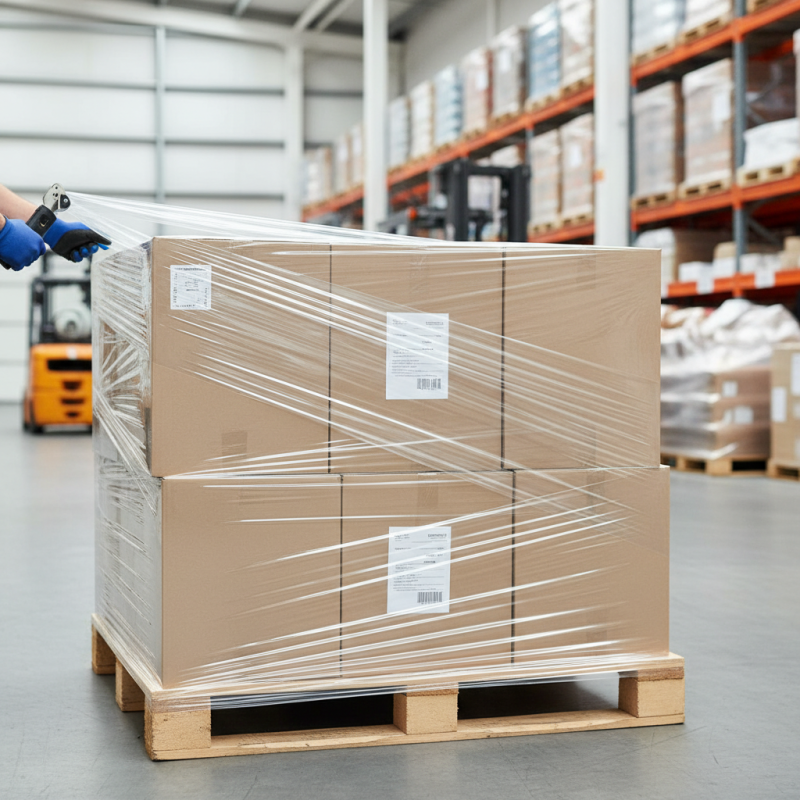
Stretch film is an essential packaging material widely used in various industries. It is a highly elastic polymer film that securely wraps items for storage and transportation. The film clings to itself, creating a tight seal around products. This prevents contamination and damage during handling.

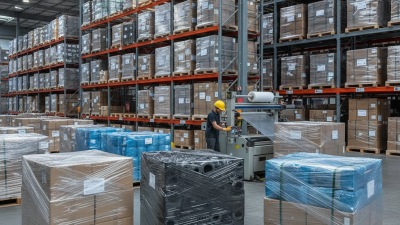
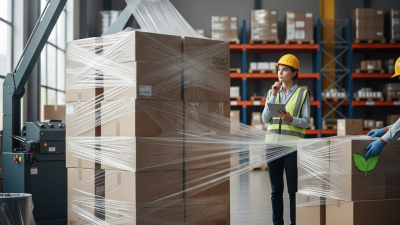
In warehouses, stretch film is used to bundle products together. Items like pallets and boxes are tightly wrapped. This method saves space and enhances stability. It also facilitates easier shipping and reduces waste. Many companies favor stretch film for its cost-effectiveness and efficiency.

However, challenges exist. Some users may struggle with application techniques. Improper wrapping can lead to load shifting. Understanding stretch film's properties is vital. This knowledge ensures that products are adequately protected. Packaging is more than just covering items. It requires careful consideration and practice.
What is Stretch Film and How is it Used in Packaging?

What is Stretch Film? Definition and Overview of the Product

Stretch film, also known as stretch wrap, is a highly versatile packaging material. It is typically made from polyethylene and features elastic properties that allow it to cling tightly to products. Stretch film is predominantly used for bundling items together on pallets, providing stability during transportation and storage. According to a report by Smithers Pira, the global market for stretch films was valued at over $12 billion in 2021, with expected growth driven by increasing demand in various sectors.

The clinging capability of stretch film helps protect goods from dust and moisture. This feature is vital for maintaining product quality. However, not all films are created equal. The thickness and clarity can differ significantly among various types, affecting their performance. As the industry evolves, there's a concern about sustainability. Many stretch films still rely on single-use plastics, prompting a search for eco-friendly alternatives. Reports suggest that innovation in materials could enhance both environmental impact and packaging efficiency.

While stretch film is crucial, it is not without limitations. Its reliance on plastic raises questions about long-term sustainability. Additionally, improper application can lead to shifting loads, increasing the risk of damage. This aspect necessitates better training for workers handling the packaging process. Addressing these issues is essential for promoting efficiency and reducing waste in the packaging sector.

Types of Stretch Film: Cast, Blown, and Specialty Films Explained

Stretch film is a versatile packaging material used in various industries. It is essential for securing products to pallets and ensuring their safety during transit. There are different types of stretch films, including cast, blown, and specialty films, each with unique properties and applications.

Cast stretch film is smooth and quiet during application. It offers excellent clarity, allowing for easy inspection of products. However, it may not provide the best puncture resistance. Blown stretch film, on the other hand, is thicker and stronger. It can stretch more while maintaining its load-holding strength. This type is ideal for heavy loads but can be noisier than cast film.

Specialty films cater to specific needs. These may include films with UV protection or those resistant to chemicals. While they offer advantages, they can be more expensive. Evaluating the right type of stretch film is crucial. Choosing the wrong one for your packaging needs can lead to damage or increased costs, so consideration is key. Each type has benefits and drawbacks. Understanding these is vital for optimal packaging solutions.

Types of Stretch Film Used in Packaging

Key Properties of Stretch Film: Elasticity, Strength, and Clarity

Stretch film is an essential material in packaging, recognized for its unique properties. Its elasticity is one of its strongest attributes. This allows the film to stretch tightly around products without tearing. When wrapped correctly, items stay secure during transport. Imagine a bundle of boxes, tightly wrapped in clear plastic. The film conforms perfectly, reducing movement.


Strength is another key characteristic of stretch film. It can withstand pressure and resist punctures. However, not all stretch films are created equal. Some may lack the necessary strength for heavy items. Businesses must choose wisely to avoid damages. A stretched film that tears can lead to significant losses.


Clarity is important too. Stretch film should provide visibility of the packaged products. This is vital for inventory management and customer appeal. However, thickness and clarity can sometimes be at odds. Thicker films may provide greater strength but could limit visibility. Finding the right balance is crucial for effective packaging solutions.

Applications of Stretch Film in Packaging: Industries and Use Cases

Stretch film is a versatile material used widely in various industries for packaging. It offers durability and strength, making it ideal for securing products on pallets. According to a recent market research report, the global stretch film market is projected to reach $12 billion by 2026, growing at a CAGR of 5.3%. This growth highlights the increasing demand across different sectors.

In the food industry, stretch film plays a crucial role. It helps in extending the shelf life of perishable goods. The ability to tightly wrap products prevents spoilage. Similarly, in the manufacturing sector, stretch film is vital for bundling and unitizing products. This process enhances stability during transport. A notable concern arises around the film's recyclability, as many types of stretch film end up in landfills.

Retail packaging also benefits from stretch film. It adds a layer of protection to goods, reducing damage rates. However, the effectiveness sometimes relies on the correct application techniques. Inadequate wrapping can lead to product loss or damage. With such factors, industries must balance efficiency and environmental impact. This ongoing challenge invites reflection on best practices in packaging.

Market Trends: Growth and Demand for Stretch Film in Packaging Solutions

What is Stretch Film and How is it Used in Packaging?

Stretch film is becoming increasingly vital in the packaging industry. This film is not only stretchy but also durable. Its primary purpose is to secure products on pallets for shipping. Many companies prefer stretch film for its versatility and cost-effectiveness. It's lightweight, which helps reduce shipping costs.

Market trends indicate a significant rise in demand for stretch film. The e-commerce surge is a driving force behind this growth. Retailers require efficient packaging solutions that protect products. Stretch film provides excellent cling and stabilizes items during transport. However, sustainability issues linger. The environmental impact of plastic is a concern. Manufacturers are exploring biodegradable alternatives.

Despite the benefits, stretch film usage poses challenges. Users sometimes complain about improper application techniques. Poor handling can lead to product damage. There is also the risk of waste if not used efficiently. Companies must train staff properly to mitigate these issues. Balancing cost savings with effective use remains a critical consideration.