
Embarking on a Long Range Bike adventure can be thrilling yet challenging. It requires careful planning and preparation to ensure a successful journey. Biking across long distances brings you closer to nature and allows you to explore new places. However, the unpredictability of the road can also lead to situations that test your resilience.
When preparing for your trip, consider your gear carefully. The right bike and equipment can make all the difference. Make sure to pack essentials like repair tools, navigation devices, and sufficient food and water. Trouble often arises when cyclists overlook their gear, leading to frustrating delays.
Stay flexible and ready to adapt your plans. Weather changes and mechanical issues can occur without warning. Reflecting on your past experiences can offer valuable insights. These adventures often teach more than just cycling skills; they reveal the importance of patience and perseverance. Embrace the journey, and let each hurdle become a part of your story.
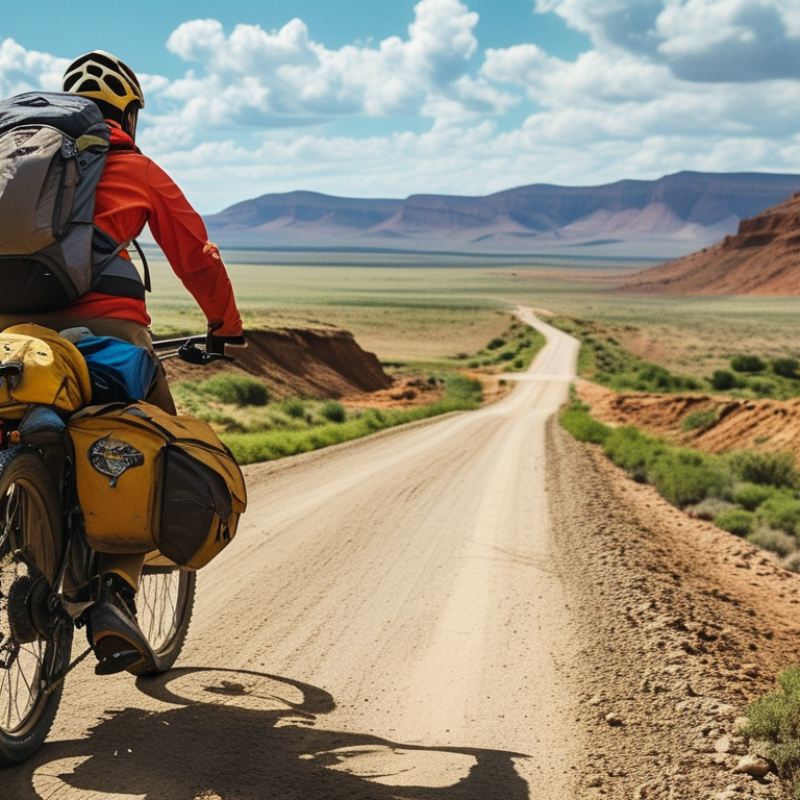
Preparing your bike for a long-range adventure involves critical checks that can ensure a smooth journey. A recent survey by the Adventure Cycling Association found that nearly 40% of cyclists faced mechanical issues during their trips. Proper bike maintenance can significantly reduce this risk.
Start by inspecting your tires. Ensure they are properly inflated, with a pressure suitable for your weight and the terrain. Look for any wear or damage to the tread. Tires should be replaced if they show severe wear, as they are crucial for safety. Next, check your brakes. A complete brake inspection includes testing both the front and rear brakes for responsiveness. Replace any worn brake pads.
After that, take a careful look at your chain and gears. A well-lubricated chain enhances performance and reduces wear. Surprisingly, a dirty chain can decrease efficiency by up to 10%. Regular cleaning and lubrication are essential. Finally, ensure your bike is equipped for the journey, including proper lights, a bell, and emergency repair tools. Remember that neglecting these checks could lead to unexpected challenges on the road. The goal is to enjoy your adventure, not to face mechanical failures that could dampen your experience.
When embarking on long-distance bike adventures, navigation is crucial. Advanced tools and apps play a significant role in ensuring a smooth journey. A survey by the Outdoor Industry Association found that 66% of cyclists rely on mobile apps for route planning. These apps often include detailed maps, elevation profiles, and even weather forecasts. Properly utilizing these features can enhance your travel experience.
However, navigating with technology can be tricky. Some cyclists report challenges with signal loss in remote areas. This highlights the importance of having offline maps downloaded ahead of time. According to CyclingTips, navigating with printed maps is still a valid option for many. Combining digital tools with traditional methods can lead to a safer journey.
Moreover, engaging with the cycling community can provide valuable insights. Discussions on forums and social media often reveal hidden gems along popular routes. Data from Adventure Cycling Association shows that local tips contributed to 30% of preferred routes among long-distance cyclists. Always remain open to new information and adjust your plans as needed. Flexibility can lead to unexpected adventures and enriching experiences along your path.
Planning for long-range bike adventures requires smart packing strategies. Proper gear can enhance your ride and ensure you are prepared for unexpected situations. According to the Adventure Cycling Association, over 75% of long-distance cyclists report packing too much. Finding the right balance is key.
Your essential gear should include tools for minor repairs. A portable bike pump and a multi-tool are crucial. A study from the International Cycling Union highlights that 30% of bike breakdowns happen due to improper maintenance. Carrying a first-aid kit is equally vital. Even minor injuries can hinder your progress.
One tip is to opt for lightweight, multi-use items. For example, a compact sleeping bag can double as a pillow. Don’t forget hydration; studies show that cyclists can lose up to 2% of their body weight in water during rides. Ensure you have enough storage for snacks and water. Packing efficiently can transform your adventure, preventing discomfort and frustration along the way.
Bike adventures can be thrilling but require careful planning, especially when it comes to maintenance. When you're on the road, unexpected issues may arise. Flat tires, loose chains, or brake adjustments can disrupt your journey. Carrying a mini repair kit with essential tools is crucial. Include tire levers, a multi-tool, and patch kits. These tools can help you tackle most minor problems on the go.
Being prepared is about knowing what to fix. For example, if you experience a flat tire, replace the tube quickly. Clean your chain with a cloth during breaks. Regularly checking your bike's air pressure can prevent blowouts. If your brakes feel off, a simple adjustment can make a big difference. Don't hesitate to ask fellow bikers for advice. They might offer helpful tips from their own experiences.
Staying adaptable is key. Sometimes, repairs won't go as planned. You might struggle with a stubborn screw or an unexpected part failure. Take a moment to breathe and reassess. Reflecting on what went wrong helps you learn for next time. Ultimately, the journey is as important as the destination. With a bit of preparation and a positive attitude, you can handle any mishap that comes your way.
Staying hydrated is crucial while biking long distances. Studies show that dehydration can reduce endurance by up to 20%. On a hot day, cyclists can lose about 1 to 2 liters of fluids per hour. Carrying a water bottle that fits easily in your bike's frame can help. Consider electrolyte drinks during extended rides. They replenish lost salts and minerals, enhancing performance.
Nutrition is another key element. Eating small, frequent meals ensures stable energy levels during rides. Foods high in carbohydrates, such as bananas and energy bars, provide quick energy. According to a study by the International Journal of Sports Nutrition, consuming 30 to 60 grams of carbohydrates per hour during endurance activities maximizes performance. Preparing a meal plan before your trip can help. Packing easy-to-carry snacks prevents energy dips.
Ignoring these aspects can lead to fatigue and hinder your adventure. Listen to your body; fatigue can signal a need for hydration or food. The importance of proper nutrition and hydration cannot be overstated for maintaining optimal performance and health during long-range bike journeys.
| Tip Category | Specific Tips | Importance |
|---|---|---|
| Nutrition | Include a balanced mix of carbohydrates, proteins, and fats in meals. | High |
| Hydration | Drink water regularly; aim for at least 2 liters daily. | Critical |
| Packing | Pack lightweight and nutrient-dense food items such as nuts and dried fruits. | Medium |
| Safety | Always wear a helmet and follow traffic regulations. | High |
| Planning | Plan routes in advance and locate rest stops and water sources. | Essential |