What Is a Heat Shrink Tunnel?
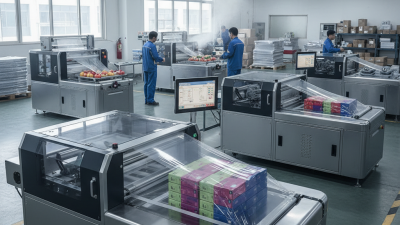
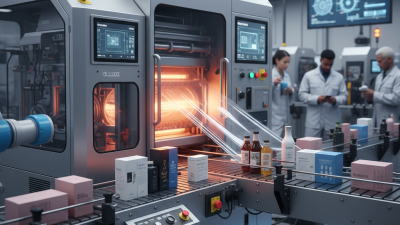
A heat shrink tunnel is a heated chamber that tightly forms plastic film around a product, bundle, or container. It follows the sealing stage in many automated packaging lines. As the pack enters, controlled heat softens the film. Conveyor movement then carries it through the chamber. The film contracts around corners, labels, trays, or multipacks.
This process looks simple, but temperature balance matters. A tunnel running too hot can wrinkle film, distort graphics, or damage sensitive products. A cooler setting may leave loose edges and visible channels. Film type, thickness, conveyor speed, airflow, and package shape all influence the result. In practice, operators often adjust these settings several times during commissioning. That part is rarely as effortless as brochures suggest.
Market research from Grand View Research reports continued growth in the global shrink packaging market, supported by demand for efficient secondary packaging and product presentation. Smithers’ packaging outlook also highlights automation, material efficiency, and recyclable structures as important development areas. PMMI reports on packaging automation further connect labor pressures with the adoption of consistent, machine-based processes. These findings help explain why manufacturers study heat shrink tunnel performance beyond basic appearance.
A well-designed tunnel can improve pack stability, tamper visibility, and line consistency. It can also reduce rework when heat distribution remains uniform. However, performance depends on the complete packaging system, not the tunnel alone. Film selection, sealing quality, ventilation, maintenance, and operator training deserve equal attention. This guide examines how the equipment works, where it fits, and which practical details deserve closer review. Some installations still reveal an uncomfortable truth: faster is not always better.
What Is a Heat Shrink Tunnel?
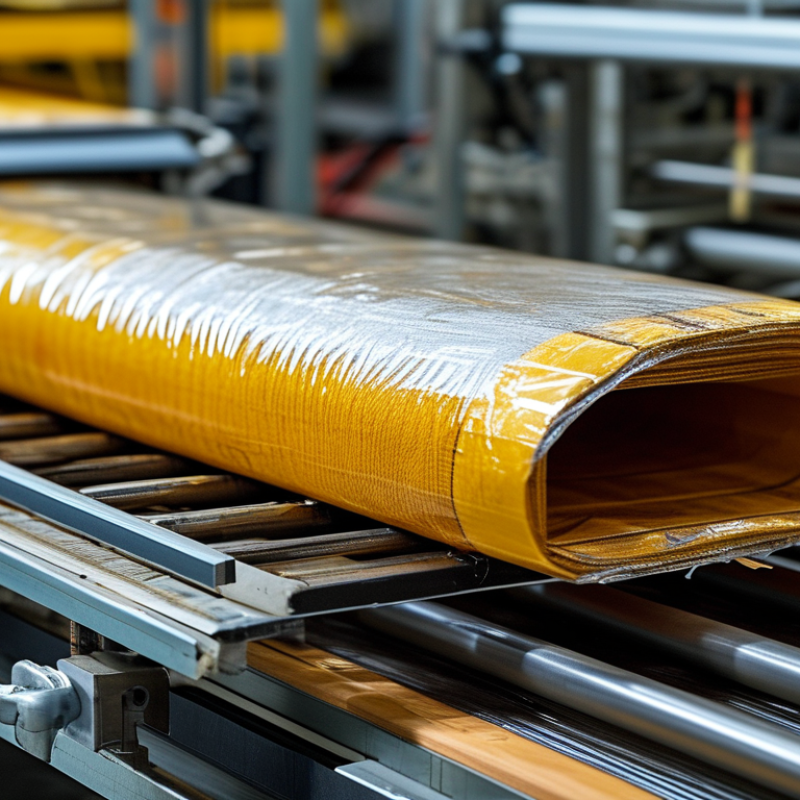
A heat shrink tunnel is a heated chamber used to tighten plastic film around a product or package. The wrapped item moves through the tunnel on a conveyor. Controlled heat softens the film, allowing it to contract closely around the product’s shape. The result can be a cleaner package, grouped items, or added protection from dust and handling.
Inside the tunnel, heating elements and fans distribute warm air around the package. Temperature, airflow, and conveyor speed must work together. A technician usually adjusts these settings according to the film type, package size, and product sensitivity. For example, a thin film may shrink quickly near 120°C, while a heavier film may require different conditions. Exact settings should come from verified material guidance and controlled testing.
The process is not always perfectly uniform.
Corners may wrinkle, seals may weaken, or trapped air may create small bubbles. These problems often indicate excessive heat, poor film positioning, or an unsuitable tunnel speed. Regular checks should include guards, airflow paths, temperature readings, and emergency controls. Operators also need adequate ventilation and safe handling procedures because hot surfaces can cause injuries. A short trial run helps reveal weak points before full production. The first setting is rarely the final setting.
How a Heat Shrink Tunnel Works
What Is a Heat Shrink Tunnel?
How a Heat Shrink Tunnel Works
A heat shrink tunnel is an enclosed chamber that applies controlled heat to shrink film around a product. The wrapped package travels through on a conveyor. Heated air circulates through adjustable zones, while sensors monitor temperature and airflow. The film tightens as its polymer memory pulls it toward the product surface. The result is a closer fit, clearer presentation, and improved protection from dust and handling.
Machine settings matter. Operators adjust conveyor speed, tunnel temperature, airflow, and film type. A common mistake is increasing heat when the real problem is excessive dwell time. That can wrinkle film, damage labels, or weaken seals. Practical testing should begin with a small temperature change. Watch the package corners. They reveal uneven heating quickly.
Industry data shows why this equipment remains important. PMMI’s 2023 Packaging Machinery Shipments Study valued U.S. packaging machinery shipments at about 10.2 billion dollars in 2022. Grand View Research estimated the global shrink packaging market at roughly 14.5 billion dollars in 2022. These figures indicate sustained demand for automated, consistent packaging systems. Still, a tunnel is not automatically efficient. Poor insulation, idle heating, and unsuitable film can raise energy use. Operators should record temperature, speed, rejection rates, and package quality during production. Small records expose large problems.
Main Components of a Heat Shrink Tunnel
What Is a Heat Shrink Tunnel?
Main Components of a Heat Shrink Tunnel
A heat shrink tunnel is an enclosed heating system for shrinking plastic film around packaged products. It uses controlled heat and airflow to create a tight, protective wrap. In daily operation, the tunnel must match the film type, package size, and conveyor speed. Poor matching can cause wrinkles, weak seals, or surface damage.
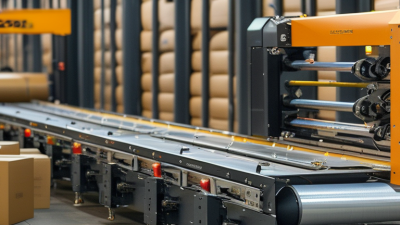
The heating chamber is the tunnel’s central component. It contains heating elements that raise the internal temperature evenly. Circulation fans move hot air around the package, reducing cold spots. A conveyor carries products through the chamber at a measured speed. Rollers, belts, or mesh surfaces may be used, depending on the package shape. The conveyor should run smoothly. Small vibrations can affect the final appearance.
A temperature controller allows operators to set and monitor heat levels. Many systems also include sensors that detect overheating, open doors, or blocked airflow. Insulated panels help retain heat and reduce energy loss. Adjustable air outlets can improve shrinking around corners and uneven surfaces. An exhaust section removes excess heat and helps stabilize the chamber environment. In practice, perfect results rarely appear immediately. Operators often adjust temperature and speed together after observing film tension, seal quality, and package movement. Cleaning the fans and checking sensors regularly also matters, although this step is easy to overlook.
Types and Applications of Heat Shrink Tunnels
What Is a Heat Shrink Tunnel?
Types and Applications of Heat Shrink Tunnels
A heat shrink tunnel is a heated chamber that tightens plastic film around a product. The film contracts as heated air, steam, or infrared energy reaches its surface. Conveyor speed, temperature, and airflow control the final package appearance. Small temperature errors can create wrinkles, weak seals, or distorted labels.
Hot-air tunnels suit cartons, trays, and multipacks. Steam tunnels work well with sensitive sleeves and rounded containers because heat spreads gently. Infrared tunnels respond quickly and occupy less floor space, but they need careful film and product testing. Beverage packs often use hot air, while full-body sleeves may require steam. Food processors also use shrink film for grouped trays and tamper-evident packaging.
Energy selection deserves attention. The International Energy Agency’s Energy Efficiency 2023 report states that industry consumed about 37% of global final energy in 2022. That figure makes insulation, standby control, and heat recovery practical concerns. Smithers’ packaging outlook projects roughly 3% annual market growth through 2028, increasing pressure for flexible, efficient equipment. PMMI reports also identify labor efficiency and machine flexibility as recurring packaging priorities.
In practice, the “best” tunnel depends on film thickness, line speed, and package geometry. Real production lines are less tidy. A tunnel may remove wrinkles while exposing poor sealing upstream. Operators should record exit temperature, seal strength, and shrink percentage during trials. A lower setting can save energy, yet it may leave loose corners. This trade-off is easy to underestimate.
Operating, Maintenance, and Safety Considerations
What Is a Heat Shrink Tunnel?
Operating, Maintenance, and Safety Considerations
A heat shrink tunnel uses controlled heat to tighten film around a product or bundle. Operators must balance temperature, conveyor speed, and airflow. Excessive heat can distort labels, weaken seals, or damage sensitive contents. Insufficient heat leaves loose film and unstable packaging. A practical setup starts with a trial run using the actual film, product shape, and line speed. Short checks matter.
During operation, inspect the tunnel entrance, chamber, and discharge area throughout the shift. Watch for film buildup near heating elements. Keep hands away from moving conveyors and hot surfaces. OSHA estimates that effective lockout/tagout practices prevent about 120 fatalities and 50,000 injuries annually. This figure shows why isolation procedures cannot be treated as paperwork. They must control stored heat and electrical energy. A warning sign alone is not enough.
Maintenance should include cleaning air passages, checking sensors, inspecting belts, and verifying emergency stops. Record temperature readings and fault patterns. PMMI’s 2024 State of the Industry report valued U.S. packaging machinery shipments at approximately 10.2 billion dollars in 2023, reflecting the importance of reliable equipment. Reliability still depends on disciplined care. The 2023 Liberty Mutual Workplace Safety Index estimated serious workplace injuries cost employers 58.5 billion dollars in 2021. That cost makes rushed maintenance difficult to defend. One imperfect assumption remains common: a tunnel is not safe merely because it is enclosed. Surface temperature, ventilation, guarding, and operator training require regular review.
What Is a Heat Shrink Tunnel?
A heat shrink tunnel uses controlled heat and airflow to shrink plastic film tightly around a product or package. The operating ranges below are typical starting points for common film types; always verify the final temperature and conveyor speed with the film supplier and equipment manual.
Operating: Adjust temperature and conveyor speed together to achieve uniform shrinking without melting, scorching, distortion, or weak seals.
Maintenance: Keep heating elements, fans, air ducts, sensors, and conveyors clean and inspect them regularly for wear, film buildup, or airflow restrictions.
Safety: Heat-resistant gloves and eye protection may be required. Keep guards in place, avoid hot surfaces, isolate power before servicing, and allow the tunnel to cool before cleaning.