Why Use a Pallet Banding Machine for Global Shipping?
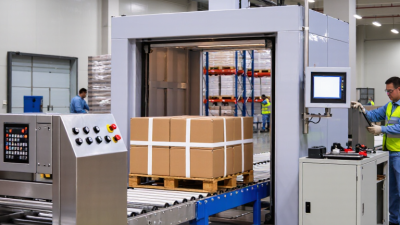
Global shipping exposes palletized goods to vibration, stacking pressure, transfers, and changing warehouse conditions. A loose carton in Rotterdam may become a serious delay in Singapore. For this reason, many logistics teams use a pallet banding machine to secure prepared loads with consistent strap tension. The process can reduce shifting, stabilize cartons, and create a more predictable handling unit.
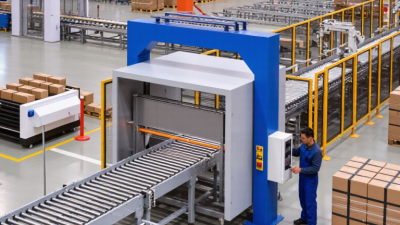
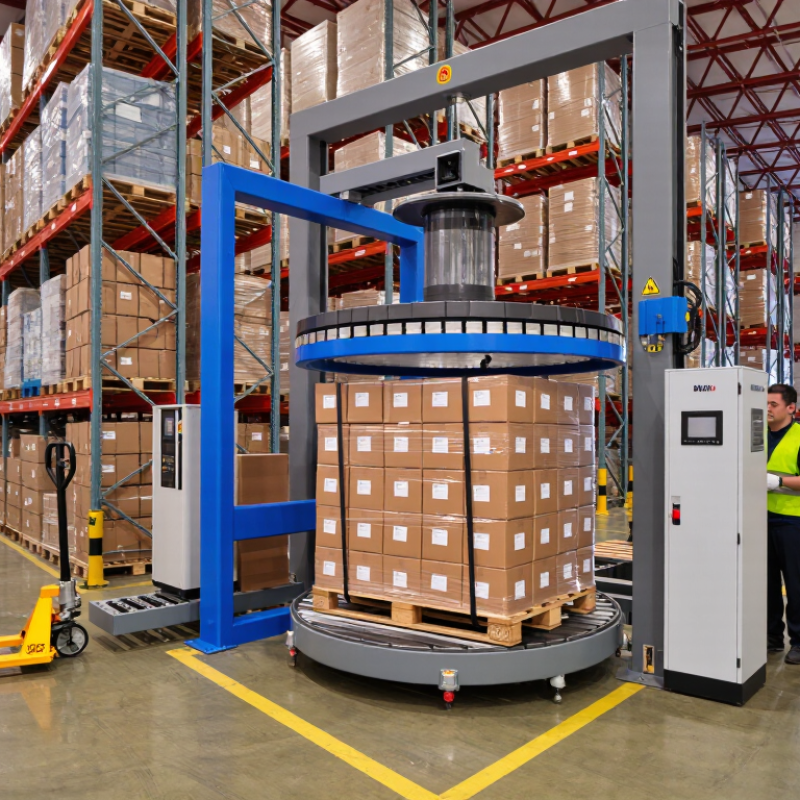
In practical operations, the machine applies bands around the pallet and its cargo. Operators can adjust tension for different products, from boxed components to heavier industrial cases. Properly positioned straps help maintain load shape during forklift movement and container loading. They also make visual checks easier at busy shipping docks. Small details matter. Corner protection, compatible strapping, and correct pallet dimensions still require human judgment.
A reliable shipping program should measure results rather than trust assumptions. Teams can compare damaged-load reports, wrapping time, strap use, and rework before and after installation. Manufacturer guidance and operator training remain essential. No machine removes every transport risk. Poor stacking can still fail. Regular maintenance, sample inspections, and documented procedures improve consistency across sites and carriers. The equipment may also require an initial investment, floor space, and workflow changes. That trade-off deserves honest review. When selected for the right products and validated through real shipping trials, a pallet banding machine can support safer, faster, and more professional global distribution.
Define Pallet Banding Across ISO 6780’s Six Standard Footprints
Why Use a Pallet Banding Machine for Global Shipping?
Define Pallet Banding Across ISO 6780’s Six Standard Footprints
Global shipping begins with a stable footprint, not a faster machine. ISO 6780 identifies six common pallet sizes: 1200 × 800, 1200 × 1000, 1016 × 1219, 1067 × 1067, 1100 × 1100, and 1140 × 1140 millimetres. A pallet banding machine should accept these variations without forcing operators into risky adjustments. The frame must align with pallet length, width, and load height. Otherwise, straps can sit too close to edges. Damage follows.
The World Bank’s 2023 Logistics Performance Index used 4,090 evaluations across 139 countries. It measures customs, infrastructure, logistics competence, and delivery timeliness. Those findings underline a practical point: predictable handling matters across borders. Automated banding can apply consistent tension, spacing, and seal pressure before pallets enter containers or distribution hubs. It also reduces repeated manual pulling, especially around dense cartons, drums, or irregular cases. Small gains become valuable.
A machine is not automatically precise. Poorly centred loads still move. Wet or dusty surfaces may weaken friction. This is where site trials deserve more attention than brochures. Test every ISO 6780 footprint, including the smallest 1200 × 800 pallet and heavier square formats. Record strap tension, cycle time, corner damage, and rework. The result may challenge initial assumptions. That is useful evidence, not failure.
Why Use a Pallet Banding Machine for Global Shipping?
ISO 6780 defines six internationally recognized pallet footprints. Their different nominal dimensions affect load coverage, packaging layout, and the banding setup required for stable handling across global supply chains.
The chart compares the nominal surface area of the six ISO 6780 footprints. A pallet banding machine can be configured for different pallet lengths and widths, helping apply consistent tension and secure loads before storage, handling, and international transport. Areas are calculated from the published nominal dimensions and do not represent any company or brand performance data.
Match PET, PP, and Steel Straps to ASTM and EN Requirements
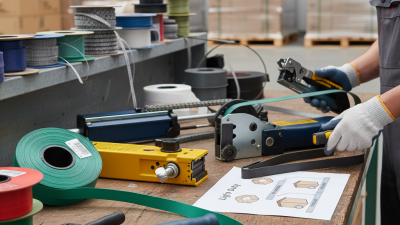
For global shipping, a pallet banding machine helps apply consistent tension around cartons, drums, or timber crates. The strap choice still matters more than machine speed. PET strap suits many medium and heavy loads, offering strong recovery and resistance to moisture. PP strap is lighter and flexible, making it useful for lighter cartons and short handling cycles. Steel strap remains valuable for dense, sharp-edged, or extremely heavy cargo.
Match each material to the required ASTM or EN specification before packing. These standards may address tensile strength, elongation, dimensions, and testing methods. Do not treat them as interchangeable labels. A qualified packaging engineer should confirm the exact requirement for the product, route, and pallet design. The machine must also support the strap width, thickness, joint type, and tension range. Small mismatches can cause weak seals or crushed cartons.
Operators should inspect edge protection, strap alignment, and load stability before release. In humid ports, PET may be preferable to steel because it avoids corrosion concerns. Yet PET can still fail when sharp corners cut into the strap. Steel may hold better, but excessive tension can damage fragile goods. Real packing conditions are rarely perfect. Temperature changes, uneven pallets, and rushed inspections still create risks. A reliable process records tension settings, strap batches, and inspection results for each shipment.
Set Band Tension Using ASTM D4169 Distribution-Test Conditions
Why Use a Pallet Banding Machine for Global Shipping?
Set Band Tension Using ASTM D4169 Distribution-Test Conditions
A pallet banding machine creates repeatable tension across export loads. That consistency matters when pallets face vibration, shock, compression, and temperature changes. ASTM D4169 helps define realistic distribution-test conditions for the complete shipping unit. It does not provide one universal tension setting. Choose the relevant distribution cycle and assurance level first. Then test the actual pallet, packaging, and product weight.
In packaging trials, operators often begin with moderate tension. They inspect carton corners, band marks, and load movement after testing. Excessive tension can crush cartons or deform lightweight products. Insufficient tension allows layers to slide during truck or container movement. A calibrated machine improves repeatability between shifts and facilities. However, a setting that works indoors may fail after humidity conditioning. That result is useful, not embarrassing.
Tips: Record tension, band width, pallet height, and test conditions. Secure identical loads for each trial. Check the load immediately after vibration testing. Look for hidden shifting beneath the top layer. Adjust gradually, not dramatically. Operators should also verify machine calibration and follow documented work instructions. ASTM D4169 testing supports informed decisions, but it cannot replace product-specific validation. Global routes vary. So should your testing.
Measure Machine ROI Through Throughput, Strap Use, and Damage Rates
Why Use a Pallet Banding Machine for Global Shipping?
Measure Machine ROI Through Throughput, Strap Use, and Damage Rates
A pallet banding machine can change more than packing speed. It can make shipping performance easier to measure. In a busy export warehouse, operators often record completed pallets per hour. This figure shows whether the machine reduces labor pressure during peak orders. Compare manual and automated output across identical shifts. Include setup time, changeovers, and short stoppages. The result is rarely perfect.
Strap use deserves equal attention. Excess tension, uneven cuts, and repeated applications increase material costs. Weighing strap rolls before and after a production run provides practical usage data. Record the number of pallets processed, then calculate strap consumed per pallet. A small saving becomes significant across thousands of shipments. However, thinner strap is not always better. Loads still need stable containment during handling and long-distance transport.
Damage rates offer the clearest warning. Track crushed cartons, shifted layers, broken straps, and rejected pallets before and after installation. Photograph each incident and note its location, load type, and handling stage. Humidity, vibration, and different transport routes can affect results. A machine may improve consistency while exposing weak pallet patterns. That is useful, but not always comfortable. ROI should include repairs, rework, claims, downtime, labor, and material waste. A simple spreadsheet helps, yet poor baseline data can produce a confident but misleading answer.
Why Use a Pallet Banding Machine for Global Shipping? — Measure Machine ROI Through Throughput, Strap Use, and Damage Rates
| ROI Metric |
Manual Banding |
Pallet Banding Machine |
Change |
Calculation Basis |
| Operational Throughput and Labor |
| Monthly pallets processed |
2,600 pallets |
2,600 pallets |
0% |
100 pallets per day × 26 operating days |
| Average banding time per pallet |
2.5 minutes |
1.1 minutes |
56.0% faster |
Measured handling time, excluding pallet loading |
| Monthly banding labor hours |
108.3 hours |
47.7 hours |
60.7 hours saved |
Monthly pallets × minutes per pallet ÷ 60 |
| Direct labor cost |
$2,383.33 |
$1,048.67 |
$1,334.66 saved |
Labor hours × $22.00 per hour |
| Theoretical banding capacity per 8-hour shift |
192 pallets |
436 pallets |
127.1% higher |
480 minutes ÷ average banding time |
| Strap Consumption |
| Average strap used per pallet |
2.60 meters |
2.10 meters |
19.2% less |
Two bands per pallet with measured allowance for overlap |
| Monthly strap consumption |
6,760 meters |
5,460 meters |
1,300 meters saved |
Monthly pallets × strap used per pallet |
| Strap material cost |
$608.40 |
$491.40 |
$117.00 saved |
Polypropylene strap cost of $0.09 per meter |
| Damage and Shipment Quality |
| Observed shipment damage rate |
2.8% |
1.4% |
50.0% lower |
Damage incidents attributed to insufficient or inconsistent banding |
| Estimated damaged pallets per month |
72.8 pallets |
36.4 pallets |
36.4 fewer pallets |
Monthly pallets × damage rate |
| Average cost per damaged pallet |
$85.00 |
$85.00 |
— |
Replacement, repacking, claims administration, and handling |
| Monthly damage-related cost |
$6,188.00 |
$3,094.00 |
$3,094.00 saved |
Damaged pallets × average cost per damaged pallet |
| Monthly ROI Summary |
| Total monthly operating cost |
$9,179.73 |
$4,634.07 |
$4,545.66 saved |
Labor cost + strap cost + damage-related cost |
| Annual operating savings |
— |
$54,547.92 |
$54,547.92 saved |
Monthly savings × 12 months |
| Estimated machine investment |
— |
$18,000.00 |
— |
Illustrative installed capital cost, excluding building modifications |
| Estimated payback period |
— |
3.96 months |
Under 4 months |
Machine investment ÷ monthly operating savings |
| First-year ROI |
— |
203.0% |
— |
(Annual operating savings − machine investment) ÷ machine investment |
Model assumptions:
The comparison uses 2,600 pallets per month, a labor rate of $22.00 per hour, a strap cost of $0.09 per meter, and an average damage cost of $85.00 per affected pallet. Actual ROI should be validated using site-specific throughput, export packaging requirements, strap specifications, labor rates, carrier claims, and damage records.