Blog

Why Is Stretch Film Used for Packaging?

Why Is Stretch Film Used for Packaging?

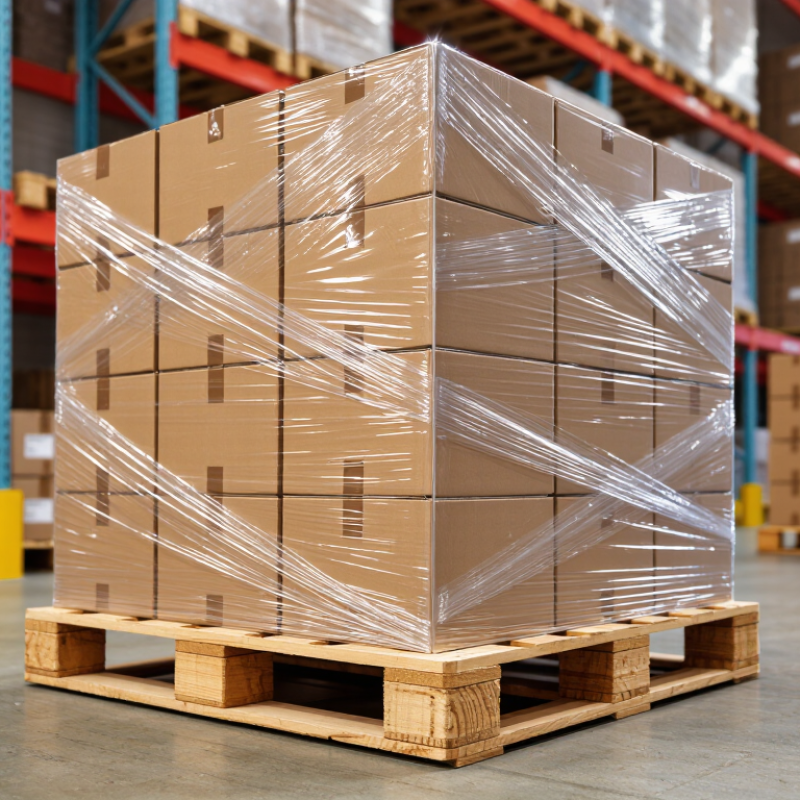
Stretch film is a thin, elastic material wrapped around cartons, pallets, and irregular loads. It grips products through tension and keeps them aligned during storage and transport. A properly wrapped pallet shows the benefit clearly: fewer leaning boxes, less exposed product, and more predictable handling at the loading dock.

Smithers’ report, The Future of Stretch and Shrink Films to 2028, identifies transport efficiency, e-commerce growth, and downgauging as important market drivers. The report also highlights a practical challenge. Thinner film can reduce material use, but only when puncture resistance and containment force remain adequate. Otherwise, damaged loads may erase the expected savings. The market is not simple.

Packaging expert Walter Soroka describes packaging as a system that must protect products throughout distribution while controlling material use. His principle applies directly to stretch film. The film is not merely a transparent cover. It is a load-containment tool.

The Sustainable Packaging Coalition and PlasticsEurope both stress that packaging decisions should consider material efficiency, performance, and end-of-life management. Those factors matter when selecting hand film, machine film, pre-stretched film, or high-performance grades. Film thickness, wrapping force, overlap, and pallet shape all influence results.

There is no universal “best” film. A warehouse handling beverage cases needs different protection from one shipping lightweight cartons. Poor tension can crush boxes. Too little tension can allow shifting.

Used correctly, stretch film helps stabilize loads, protect surfaces from dust and moisture, and improve warehouse consistency. Its value comes from measured performance, not excessive layers.
Why Is Stretch Film Used for Packaging?

What Is Stretch Film and How Does It Work?

Stretch film is a thin, elastic plastic film used to secure products during storage and transport. It is commonly made from polyethylene, which can stretch without tearing under controlled tension. The film does not simply cover a pallet. It creates holding force. When pulled, its molecules extend and try to return to their original shape. That recovery presses cartons together and reduces shifting, leaning, and falling. This is the basic working principle behind load containment.

During application, an operator wraps the film around a pallet while maintaining steady tension. Each overlapping layer adds contact and friction. The film also clings to itself, helping the wrapped load behave like one unit. A stronger pre-stretched film may use less material, but only when the wrapping tension is suitable. Too little tension leaves gaps. Too much can crush cartons or deform soft products. In a warehouse, I would check corner protection, wrap count, and whether the bottom layers stay tight. Those details often reveal problems that a quick visual inspection misses.

Stretch film helps protect goods from dust, light moisture, abrasion, and temporary outdoor exposure. However, it is not waterproof packaging, and damaged film cannot restore a broken carton. Film selection should match product weight, pallet shape, temperature, and handling equipment. Manual wrapping may suit small volumes, while powered equipment improves consistency at higher volumes. Still, automation is not automatically better. Poor settings waste film and create unstable loads. A useful review measures damaged cartons, film consumption, and load movement after transport.

What Properties Make Stretch Film Effective for Packaging?

Why Is Stretch Film Used for Packaging?

Stretch film works because it combines elasticity, cling, strength, and low weight. When pulled around a pallet, its elastic memory creates continuous tension. That tension holds cartons tightly, even when a forklift turns sharply. Cling keeps film layers attached without extra adhesives. Puncture resistance helps the film survive rough carton corners and wooden pallet edges.

The film’s main material, linear low-density polyethylene, can stretch substantially before breaking. Typical industrial films may reach 150–300% elongation, depending on formulation and testing conditions. ASTM D5458 measures cling, while ASTM D882 evaluates tensile properties. These standards make supplier comparisons more reliable. Smithers’ 2024 analysis of the global stretch and shrink film market places its value above US$15 billion, reflecting strong demand from logistics and distribution. The Flexible Packaging Association reported US flexible packaging sales of US$39.5 billion in 2022, showing the scale of lightweight packaging applications.

Film thickness also matters. Thinner film can reduce material use, but excessive downgauging may increase tears, product damage, and rewrapping. That trade-off is often underestimated. A warehouse operator should test film on actual loads, including uneven boxes, cold surfaces, and long transport routes. Clear film also allows barcode scanning and quick visual inspection. However, clarity is not the same as protection. Stretch film blocks dust and moisture, but it is not a complete barrier against puncture, heat, or severe weather.

How Does Stretch Film Protect Packaged Products?

Why Is Stretch Film Used for Packaging?

Stretch film protects packaged products by creating a tight, flexible layer around cartons, pallets, and irregular loads. Its elastic recovery maintains tension after wrapping, helping hold boxes together during transport. The film also limits dust, light moisture exposure, and surface contact. This matters when a pallet waits in storage or moves through changing weather.

In practical packing work, I check the load before wrapping. Sharp corners need edge protection because stretched film can tear against them. I also watch the overlap, film tension, and bottom-to-top coverage. Too little tension allows shifting. Too much tension may crush lightweight cartons. Small details matter. A properly wrapped pallet should feel stable without looking strangled. Clear film can reveal damaged packaging or moisture early, although it cannot prevent every type of water intrusion.

Stretch film reduces movement, but it is not a complete barrier. It will not replace suitable cartons, corner boards, strapping, or temperature control. I have seen teams wrap unstable stacks and assume more layers would solve the problem. They usually create extra material waste instead. Film selection should match load weight, surface shape, storage time, and handling conditions. Testing a wrapped sample is wiser than trusting appearance alone. Sometimes the first method fails. That failure provides useful evidence for adjusting tension, overlap, or wrapping height.

Why Is Stretch Film Used for Packaging? - How Does Stretch Film Protect Packaged Products?

Packaging Dimension Typical Data or Condition How Stretch Film Protects Products Practical Packaging Benefit
Film thickness Common machine and hand-wrap films are approximately 12–35 microns thick. The continuous polyethylene layer forms a flexible barrier around cartons, bundles, and pallet loads. A suitable thickness can balance load containment, puncture resistance, material consumption, and cost.
Stretch capacity Pre-stretched films may be stretched to roughly 50–150%; conventional high-performance films can commonly exceed 200%, depending on grade and equipment. Elastic recovery creates tension that continuously presses the film against the load. The film can secure irregular loads while using less material than a non-stretch wrapping sheet of similar coverage.
Load containment Containment depends on film gauge, number of wraps, overlap, stretch percentage, and applied tension. The tensioned film helps resist shifting, leaning, and separation between cartons during handling. Improves pallet stability during forklift movement, warehouse storage, and road or rail transport.
Impact and puncture resistance Resistance varies with resin structure, thickness, temperature, film orientation, and the sharpness of the packaged item. The film absorbs and distributes localized forces instead of allowing minor contact damage to immediately expose the load. Reduces the risk of torn wrapping caused by pallet corners, abrasion, and routine handling.
Cling and adhesion Cling is generally engineered on the inside surface; the outer surface may be less adhesive to improve handling. Adjacent layers grip one another and help maintain wrap integrity without requiring adhesive tape on every layer. Supports faster wrapping and helps prevent unwinding during storage and transportation.
Dust and moisture protection Polyethylene film resists liquid water and provides a partial barrier against dust and surface contamination. The wrapped layer covers exposed carton surfaces and reduces direct contact with splashes, dust, and handling residue. Helps keep outer packaging cleaner during short- and medium-term storage and distribution.
Unitization of mixed loads Film can be applied around cartons, trays, bags, drums, and other compatible items with different shapes. The film links separate packages into one consolidated handling unit. Makes mixed or irregular loads easier to move, count, inspect, and store.
Transparency and identification Clear films allow labels, barcodes, and package markings to remain visible through the wrap. The load can be covered without completely blocking visual access to its contents or shipping information. Supports inventory checks, barcode scanning, and shipment verification without removing the wrap.
Temperature performance Performance changes with heat and cold; very low temperatures can reduce flexibility, while high temperatures can reduce holding force. The film remains effective when its grade, storage conditions, and application settings match the distribution environment. Correct material selection helps prevent film breakage, relaxation, or load movement during temperature changes.
Application efficiency Hand wrapping, semi-automatic wrapping, and automatic wrapping use different tension, speed, and wrap-count settings. Controlled application distributes holding force more consistently around the load. Can improve packaging consistency and reduce over-wrapping or under-wrapping when the process is properly adjusted.
Material efficiency A thinner film is not automatically more efficient; performance depends on containment force, tear resistance, and the required number of wraps. Engineered films use molecular orientation and elastic recovery to provide strength at relatively low thickness. The correct film specification can reduce packaging mass while maintaining required load stability.
Limitations Standard stretch film is not a complete vapor barrier, waterproof package, or substitute for corner protection on sharp loads. Its main function is load containment and surface protection, not full environmental sealing. Using edge boards, strapping, liners, or specialized barrier packaging when necessary improves overall protection.

Data note: The values shown are typical industry ranges or general performance conditions for polyethylene stretch film. Actual results vary according to film construction, thickness, load geometry, wrap pattern, application equipment, storage conditions, and transport requirements.

Where Is Stretch Film Commonly Used?

Why Is Stretch Film Used for Packaging?

Where Is Stretch Film Commonly Used?

Stretch film is commonly used in warehouses, factories, retail backrooms, and distribution centers. Workers wrap cartons, bags, and containers onto pallets before storage or transport. The film holds items together, reduces shifting, and helps protect surfaces from dust and light moisture. A tightly wrapped pallet is easier to move with a forklift or pallet jack.

Manufacturing sites often use stretch film for finished goods, spare parts, and irregular loads. In food and agricultural operations, it can cover stacked cases or bins during short-term handling. Cold rooms also use it, but the selected film must remain flexible at low temperatures. Stretch film is useful for furniture, printed materials, and household products too. It is not a perfect barrier, though. Sharp edges can puncture it, and heavy loads may still need straps or corner protectors.

Tips: Match film strength to load weight and shape. Apply even tension, especially around the pallet base. Leave no loose tails near wheels or conveyors. Test a small load first. This step is often skipped, and that can create waste. Overwrapping may look secure, but it can increase material use without improving stability. Inspect wrapped pallets after handling, because vibration and temperature changes can reveal weak spots. Performance depends on film quality, wrapping technique, and the load itself.

How Should the Right Stretch Film Be Selected?

Why Is Stretch Film Used for Packaging?

How Should the Right Stretch Film Be Selected?

Stretch film stabilizes cartons, protects surfaces from dust, and limits pallet movement during handling. Yet the thinnest film is not always the best choice. Selection should begin with the load, not the film roll. Measure pallet weight, carton edges, surface texture, and the expected transport distance. Sharp corners may need stronger puncture resistance. Smooth boxes may require reliable cling and controlled tension.

ASTM D4649 provides guidance for selecting and using stretch wrap films. It highlights practical factors such as film strength, stretch performance, load containment, and application conditions. Field testing matters. A film that performs well on a quiet warehouse line may fail during hot, humid transport. Eurostat reported that EU packaging waste reached 186.5 kilograms per person in 2022. This figure strengthens the case for reducing unnecessary film, but downgauging too quickly can create damaged loads and extra waste. That trade-off deserves more attention.

Tips: Test three film gauges on the same pallet. Check corner tears, shifting, and film breakage after movement. Compare pre-stretch settings, not only film thickness. Ask whether the load needs hand wrapping or machine application. Recycled content may support environmental goals, but consistency can vary. I have seen “lighter” packaging demand more rewrapping. That is not always progress. Record results for at least several shipment cycles before changing the specification.

Why Is Stretch Film Used for Packaging?

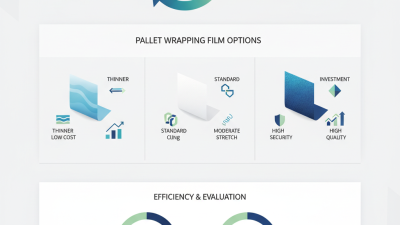
Stretch film secures unit loads, reduces movement, protects products from dust and moisture, and can replace heavier secondary packaging. The typical thickness ranges below are general industry ranges. Film selection should consider load weight, pallet stability, sharp edges, required containment force, wrapping method, and whether the film is applied by hand or machine.