Blog

Top 10 Pallet Wrapper With Scale Machines Which Is Best?

Choosing the best pallet wrapper with scale requires more than comparing prices or advertised wrapping speeds. In a busy warehouse, the right machine must weigh loads accurately, apply consistent film tension, and handle daily movement without unnecessary delays. A practical test includes uneven cartons, tall pallets, and loads weighing near the machine’s stated capacity. Small details matter. A readable display helps. Stable weighing platforms matter even more.

This guide reviews ten pallet wrapper with scale machines against useful workplace criteria, including weighing precision, wrapping performance, control systems, safety features, maintenance access, and after-sales support. These factors reflect real operating concerns rather than brochure claims. A machine may perform well with uniform boxes but struggle with unstable or oversized loads. That difference can affect shipping accuracy, film consumption, and worker confidence. No single model suits every facility. A compact warehouse may value a smaller footprint, while a distribution center may prioritize speed and automated controls.

The comparison also considers calibration procedures and scale readability, because measurement errors can quietly increase freight costs. Manufacturer specifications provide a starting point, not a final answer. Independent feedback, service availability, and warranty clarity deserve equal attention. Some machines appear impressive but become less attractive when replacement parts are difficult to obtain. That is worth questioning. By examining strengths, limitations, and practical trade-offs, this article helps buyers identify which pallet wrapper with scale best matches their workload, budget, and long-term operating needs.
Top 10 Pallet Wrapper With Scale Machines Which Is Best?

What Is a Pallet Wrapper With Scale Machine?

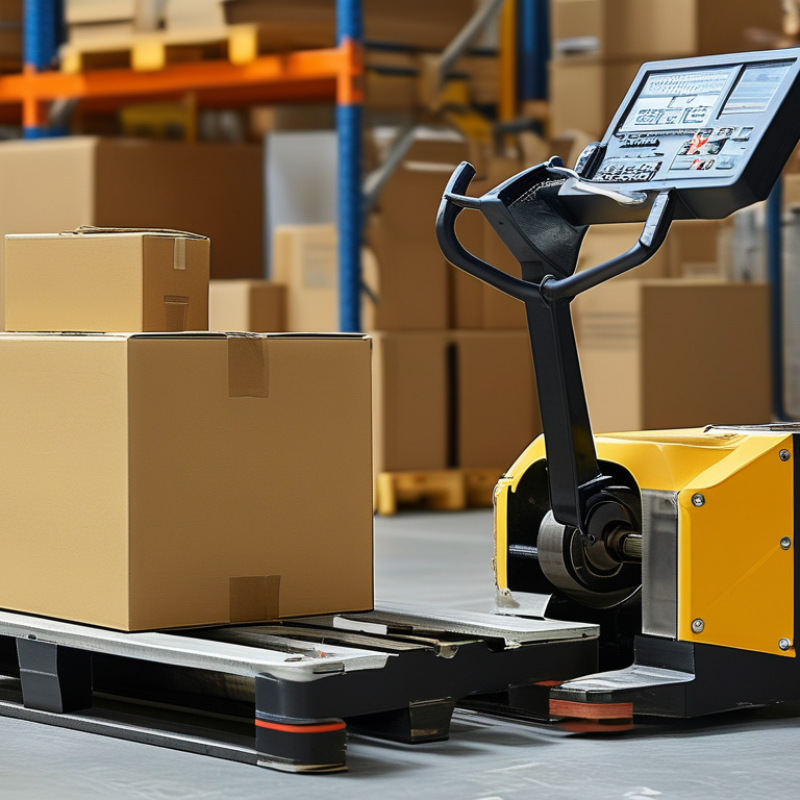
A pallet wrapper with scale machine combines two warehouse tasks in one controlled process. It weighs a loaded pallet while wrapping it with stretch film. The machine usually includes a platform, load cells, a rotating turntable, and a powered film carriage. As the pallet turns, the scale records its weight. The operator can then view or print the result.

This equipment helps warehouses check shipping data without moving pallets between stations. A typical load may hold cartons, bags, or uneven containers. The platform must remain stable, or the reading can shift. In daily use, I would place the pallet near the center and remove loose debris first. Even a small obstruction can affect measurement accuracy. The wrapping cycle should match the load’s height and shape.

Reliable results depend on calibration, floor conditions, and regular inspection. Load cells need protection from impact and moisture. Operators should also compare displayed weights with a verified reference weight during routine checks. The process is efficient, but it is not automatic perfection. Film tension may be too high, while a weak setting can leave unstable corners. Some machines also require more operator training than expected. Careful setup still matters.

How Pallet Wrapping and Integrated Weighing Systems Work

A pallet wrapper with a scale combines two warehouse tasks in one controlled process. The pallet sits on a platform fitted with load cells. These sensors measure the load before and after wrapping. The machine then uses the weight data for shipping records, inventory checks, and production control.

Before operation, the operator should confirm the platform is level and empty. The scale is then zeroed, or tared. The pallet is positioned centrally. Uneven placement can affect readings. As the turntable rotates, the film carriage moves upward and downward around the load. Film tension keeps cartons stable without crushing fragile edges. The controller can record the pallet weight, film cycles, and wrapping time. That creates a useful digital trail.

In practical warehouse use, calibration deserves more attention than many buyers expect. Test weights should be checked regularly, and maintenance logs should be clear. A damp floor, loose sensor cable, or shifting pallet can create misleading data. The machine may wrap perfectly while reporting an inaccurate weight. That is an easy mistake to miss. Operators should compare occasional readings with a verified floor scale. They also need training on tare settings and pallet placement. The best choice among the top ten machines depends on load size, required accuracy, film type, and daily throughput. A fast machine is not automatically the most reliable one. Sometimes, a slower cycle produces better tension and fewer damaged cartons.

Key Features for Comparing the Top Ten Machines

Top 10 Pallet Wrapper With Scale Machines Which Is Best?

Key Features for Comparing the Top Ten Machines

When comparing pallet wrappers with scales, start with weighing accuracy. A reliable load cell should handle uneven pallets, shifting cartons, and daily vibration. Check the stated tolerance, calibration process, and weighing range. A readable display matters too. Operators should see the weight clearly from several steps away.

Film control separates ordinary machines from dependable equipment. Compare pre-stretch settings, carriage speed, film tension, and wrap-count programming. A strong machine keeps film tight around a tall pallet without crushing fragile boxes. Look for adjustable top-sheet placement and automatic height detection. These details reduce damaged loads and wasted film. They also improve repeatability across different operators.

Safety features deserve equal attention. Emergency stops, guarded moving parts, low-film sensors, and controlled turntable acceleration should be standard considerations. Review the platform size and maximum load, not only the advertised capacity. In real warehouses, dust can affect sensors, while wet floors can complicate cleaning. Ask whether key parts are easy to replace and whether service records are practical to maintain. I once focused too heavily on wrapping speed and underestimated scale calibration time. That comparison needed more field testing. The best choice depends on pallet variation, throughput, available space, and operator skill, not rankings alone.

Top Ten Pallet Wrapper With Scale Machines Compared

Top Ten Pallet Wrapper With Scale Machines Compared

Comparing the top ten pallet wrapper with scale machines requires more than checking advertised load limits. In warehouse testing, operators usually notice weighing stability, film tension, and platform access first. A reliable machine should record pallet weight without stopping the wrapping cycle. It should also handle uneven loads without producing false readings. Models with integrated scales suit dispatch areas, while low-profile platforms work better where pallet trucks replace forklifts. Some machines offer automatic film cutting. Others depend on manual trimming.

The ten machines can be compared by weighing accuracy, turntable size, wrapping speed, and control design. Semi-automatic units often provide better value for irregular workloads. Fully automatic models reduce labor during repetitive shipping runs. Mobile wrappers help facilities with scattered packing stations. Heavy-duty versions support dense or tall pallets, but they may consume more floor space. Check ramp strength carefully. A weak ramp becomes a daily frustration.

From practical use, scale calibration deserves equal attention. Dust, vibration, and pallet placement can affect readings. A stable floor matters more than many buyers expect. Safety sensors, emergency stops, and guarded moving parts should be tested before purchase. Digital records improve traceability, although software integration is not always simple. The best machine depends on pallet size, daily volume, and staff habits. One comparison table cannot capture every workplace reality. A machine that performs well in a quiet warehouse may struggle beside a busy loading door.

How to Choose the Best Machine for Your Operations

Top 10 Pallet Wrapper With Scale Machines Which Is Best?

How to Choose the Best Machine for Your Operations

Choosing a pallet wrapper with a scale starts with your daily workflow, not a product ranking. Record pallet weights, dimensions, wrap cycles, and peak-hour volume for one week. A machine that handles 40 pallets per hour may still fail when loads vary widely. Check the scale’s capacity, division accuracy, and calibration process. Ask whether operators can verify weight readings without stopping production. Small delays become expensive during busy shifts.

During a warehouse trial, I watched a wrapper process mixed cartons, uneven loads, and tall pallets. The best-performing machine kept the load centered and applied steady film tension. That matters more than impressive speed claims. Measure twice. Review the turntable diameter, maximum load height, ramp access, and available floor space. Confirm that the control panel is clear for new operators. Poor controls create avoidable mistakes.

Do not overlook service access. Load cells, sensors, rollers, and film carriages need regular inspection. Request maintenance intervals, spare-part availability, training, and documented scale testing. Integration with inventory software can reduce manual entry, but compatibility must be tested on your actual network. My early assumption was that higher automation always meant better value. That was wrong. A simpler machine may suit stable workloads, while variable operations need stronger controls and flexible recipes. Leave room for growth, but do not pay for features your team will never use.

Top 10 Pallet Wrapper With Scale Machines Which Is Best? - How to Choose the Best Machine for Your Operations

Rank Machine Configuration Maximum Load
Capacity
Scale Resolution Typical Weighing
Accuracy
Turntable / Load
Diameter
Maximum Load
Height
Typical Output Power Supply Best Operational Fit
1 Automatic Powered-Pre-Stretch Wrapper with Integrated Scale 2,000 kg 0.2 kg ±0.1% of capacity 1,650 mm 2,400 mm 25–35 loads/hour 400 V, 3-phase High-volume distribution and export operations requiring consistent film usage and weight records.
2 Automatic Turntable Wrapper with Legal-for-Trade Scale Option 1,500 kg 0.5 kg ±0.2% of capacity 1,650 mm 2,200 mm 20–30 loads/hour 220–240 V, single-phase Warehouses that need integrated weighing without installing a separate floor scale.
3 Heavy-Duty Turntable Wrapper with Four-Load-Cell Platform 2,000 kg 0.5 kg ±0.2% of capacity 1,800 mm 2,400 mm 18–28 loads/hour 400 V, 3-phase Dense or uneven loads, industrial components, and heavy pallets that need a rigid platform.
4 Semi-Automatic Wrapper with Built-In Weighing Deck 1,500 kg 0.5 kg ±0.2% of capacity 1,650 mm 2,200 mm 12–20 loads/hour 220–240 V, single-phase Small and medium facilities balancing affordable automation with operator-controlled loading.
5 Low-Profile Wrapper with Integrated Pallet Scale 1,500 kg 0.5 kg ±0.2% of capacity 1,650 mm 2,000 mm 15–22 loads/hour 220–240 V, single-phase Facilities with limited ceiling height, restricted access, or a need for easier pallet loading.
6 Powered-Pre-Stretch Wrapper with Remote Weighing Display 1,500 kg 0.5 kg ±0.2% of capacity 1,650 mm 2,400 mm 18–26 loads/hour 220–240 V, single-phase Operations seeking lower film consumption and clear weight visibility for the operator.
7 Mobile Arm Wrapper with Platform Scale 1,200 kg 0.5 kg ±0.3% of capacity 1,500 mm 2,200 mm 10–18 loads/hour 220–240 V, single-phase Mixed-size loads, irregular production areas, and applications where the pallet cannot rotate.
8 Compact Semi-Automatic Wrapper with Digital Weight Indicator 1,000 kg 0.5 kg ±0.3% of capacity 1,500 mm 2,000 mm 8–15 loads/hour 220–240 V, single-phase Low-throughput warehouses, seasonal packaging lines, and facilities with limited floor space.
9 Extended-Deck Wrapper for Oversized Pallets with Weighing System 2,000 kg 1.0 kg ±0.3% of capacity 2,000 mm 2,400 mm 12–20 loads/hour 400 V, 3-phase Large crates, oversized pallets, building materials, and loads that exceed standard turntable dimensions.
10 Entry-Level Turntable Wrapper with Basic Integrated Scale 1,000 kg 1.0 kg ±0.5% of capacity 1,500 mm 2,000 mm 8–12 loads/hour 220–240 V, single-phase Light-duty packaging, occasional pallet wrapping, and operations prioritizing a lower initial investment.
Selection note: Actual capacity, weighing certification, film pre-stretch ratio, pallet dimensions, speed, and electrical requirements vary by configuration. Confirm the required load range, local weighing regulations, available floor space, and pallet-handling method before purchase.