In the competitive landscape of packaging, "pallet wrapping plastic" plays a crucial role for global buyers. Experts emphasize its importance. Jane Smith, a renowned packaging consultant, states, “Choosing the right pallet wrapping plastic can significantly impact operational efficiency.”
Many businesses underestimate the value of quality wrapping materials. Poor selection can lead to damaged goods and increased costs. It's essential to recognize the various grades available in the market. Each option offers distinct benefits and drawbacks. Careful evaluation is needed to avoid pitfalls.
Understanding the unique requirements of your products is vital. The right choice enhances protection and improves overall workflow. However, this process can be challenging, requiring expertise and attention to detail. As companies navigate this complexity, informed decisions will yield substantial rewards.

When choosing the right pallet wrapping plastic, understanding the types and materials available is crucial. Stretch film is one of the most common options. It's highly elastic, allowing for a snug fit around items. This elasticity helps protect loads during transportation. The thickness of the film can vary. Thicker films generally provide better puncture resistance. However, they can be bulkier to handle.
Shrink wrap is another popular choice for pallet wrapping. It shrinks when heat is applied, creating a tight seal around the products. This type can be especially useful for irregularly shaped items. However, it requires specialized equipment for application. Additionally, consider the type of load being wrapped. Different materials can be more suitable for certain products.
Recyclability is a key consideration in material selection. Some plastic wraps can be recycled, while others cannot. Buyers face choices that impact not only cost but also environmental responsibility. Ultimately, while many options exist, reflecting on specific needs is essential. The choice may not always be clear, requiring buyers to weigh various factors carefully.
| Type of Pallet Wrapping Plastic | Material | Thickness (Microns) | Tensile Strength (MPa) | UV Resistance | Recyclability |
|---|---|---|---|---|---|
| Stretch Film | LLDPE | 15-30 | 20-40 | Yes | Yes |
| Shrink Film | PVC/PE | 20-40 | 25-50 | Moderate | Yes |
| Stretch Hood | PE | 30-50 | 30-60 | Yes | Yes |
| Fumigation Film | Polyethylene | 20-30 | 15-35 | Low | Yes |
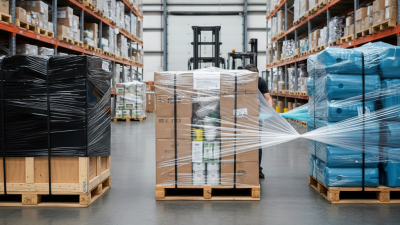
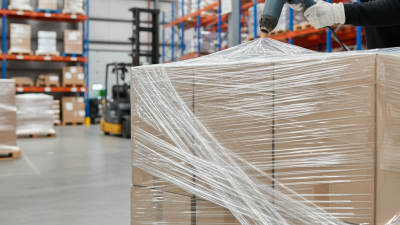
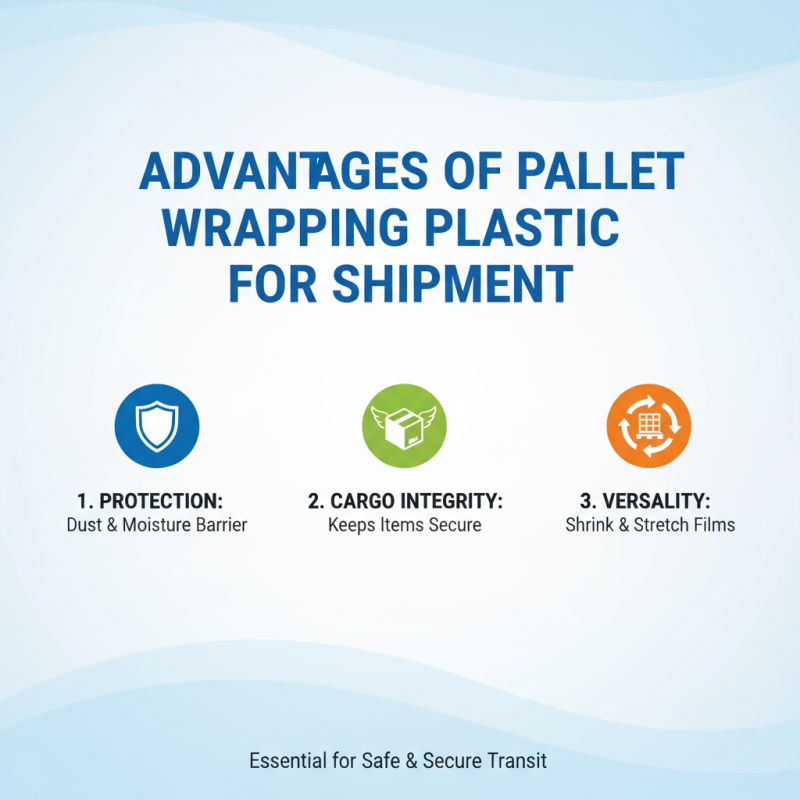
Pallet wrapping plastic plays a crucial role in shipping. It provides protection against dust and moisture. This is especially important for items susceptible to damage. With proper wrapping, cargo remains intact during transit. Shrink and stretch films are popular choices for various loads.
Using pallet wrapping plastic offers additional stability. It secures products on pallets, preventing shifting. This can reduce the risk of accidents during transport. In warehouses, it helps keep items organized. A well-wrapped pallet looks more professional, too.
Tips for effective wrapping: Ensure the pallet is sturdy. If it is wobbly, wrapping may not be enough. Use multiple layers for heavy items to enhance protection. Keep the edges of the wrap intact. This will help maintain the pallet's integrity. Reflect on your wrapping techniques often. Small adjustments can lead to significant improvements.
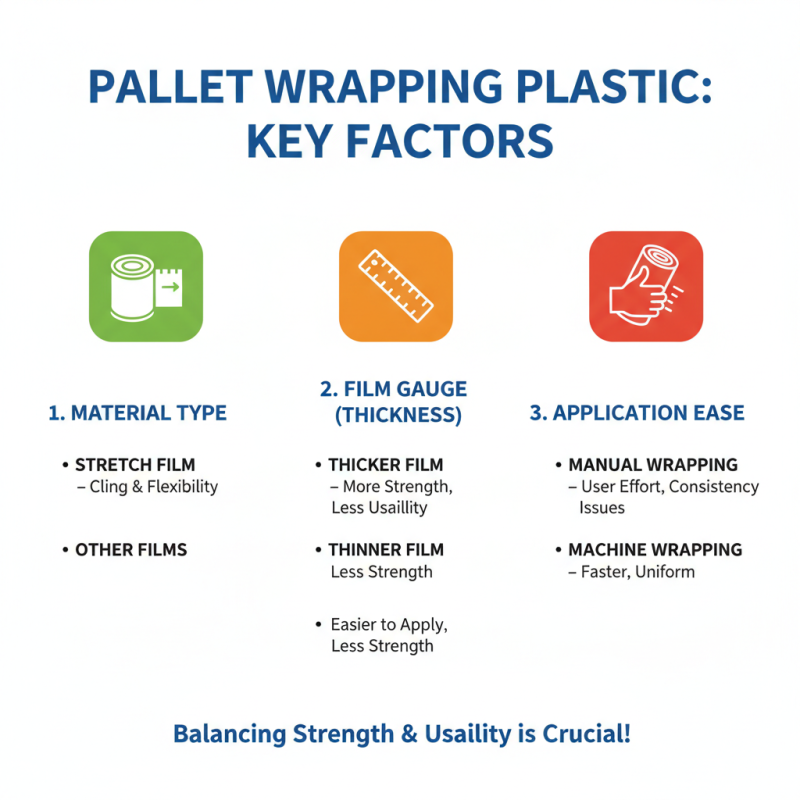
When selecting pallet wrapping plastic, several factors come into play. The type of material is crucial. Stretch film is popular for its cling properties and flexibility. However, some users find it difficult to apply correctly. Understanding the gauge of the film is essential. Thicker films provide more strength but can be harder to maneuver. Users often report challenges in balancing strength with usability.
Another point to consider is the size of the rolls. Buyers should assess the dimensions of their pallets. A roll that’s too narrow may not cover the entire surface area. Meanwhile, overly wide rolls can waste material and increase costs. Feedback from users highlights the importance of choosing the correct size for efficiency.
Lastly, transparency matters. Clear films help in identifying packaged goods easily. However, some users express concerns about the potential for damage to the products. The level of UV resistance also impacts the choice, especially for outdoor storage. It is crucial to think about the conditions where the pallets will be stored.
Pallet wrapping plastic plays a critical role in protecting goods during transportation and storage. Global buyers need to choose reliable sources when sourcing this essential material. Several top suppliers and manufacturers specialize in producing high-quality pallet wrapping solutions. They offer various types of film, including stretch and shrink wraps, tailored to meet the needs of diverse industries.
When selecting suppliers, look for those with a proven track record in the industry. They should prioritize product durability and transparency in their manufacturing processes. It’s crucial to examine their certifications and customer feedback to ensure quality standards are met. Prior findings indicate that resilient materials can significantly reduce product damage during shipping.
Tips for buyers: Assess the thickness and stretchability of the plastic. Thicker films often provide better protection. Also, consider the environmental impact. Opt for suppliers who offer recyclable options. Evaluate the supplier's responsiveness. Good support can help resolve potential issues quickly. Lastly, reflect on your specific packaging needs before making a decision. Each operation has unique requirements, so customization may be necessary.
Pallet wrapping solutions are evolving rapidly. Many businesses are now focusing on sustainability. Reports suggest that the global pallet wrapping market will reach $6.89 billion by 2027, growing at a CAGR of 4.8%. This growth is partly driven by innovations in materials and processes.
Biodegradable and recyclable films are becoming popular. These options reduce environmental impact while maintaining strength. A study revealed that about 30% of companies are prioritizing eco-friendly packaging to meet consumer demand. However, challenges remain. Some manufacturers struggle with the higher costs of sustainable materials. This poses questions about balance between cost and environmental responsibility.
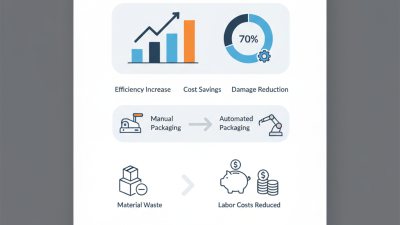
Automation in pallet wrapping is another emerging trend. Robotics and advanced machinery are streamlining processes. This improves efficiency but requires significant investment upfront. Many organizations also report difficulties in adapting to this technology. Expertise in both operations and maintenance is essential for success. Transitioning to smarter, more efficient wrapping methods may not be straightforward, but the potential rewards are considerable.