Blog

What is Pallet Shrink Wrap and How is it Used?

Pallet shrink wrap is an essential tool in the packaging industry. It provides protection for goods during transportation and storage. John Smith, a logistics expert with over 15 years of experience, states, "Pallet shrink wrap is not just about security; it's about optimizing space." This highlights the dual purpose of this packaging material.

The use of pallet shrink wrap extends beyond mere protection. It helps in stabilizing loads, preventing damage, and improving efficiency in warehouse operations. With the rising demand for effective packaging solutions, understanding the specifics of pallet shrink wrap becomes crucial. Many companies still underestimate its potential benefits.

However, not all pallet shrink wraps are created equal. Choosing the right thickness and quality can significantly impact performance. Packaging mistakes can lead to product damage or increased costs. Thus, businesses should evaluate their current packaging methods and consider the advantages of high-quality pallet shrink wrap. This reflection can lead to improved operational efficiency and cost savings over time.
What is Pallet Shrink Wrap and How is it Used?

Definition and Purpose of Pallet Shrink Wrap

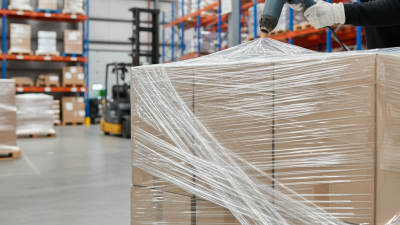
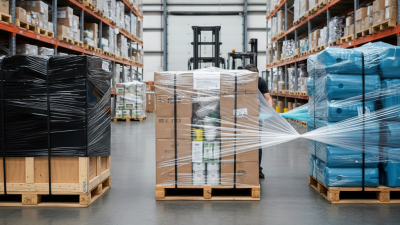
Pallet shrink wrap is a crucial material in logistics and warehousing. It’s a type of plastic film used to secure goods on pallets. The primary purpose of this wrap is to provide stability during storage and transportation. When applied, it tightly encases the items, helping to prevent damage. This is especially vital for fragile or sensitive products.

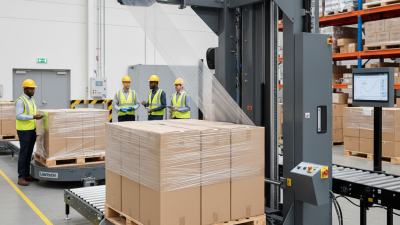
Using pallet shrink wrap is relatively straightforward. The wrap is typically applied using a machine or by hand. As it is heated, it contracts, conforming to the shape of the items beneath. This creates a tight seal that protects against dust, moisture, and other environmental factors. It's essential to ensure proper application for maximum effectiveness. Improper use can lead to loose packaging and potential damage.

While pallet shrink wrap offers significant benefits, it is not without limitations. Overuse can lead to excessive waste, impacting the environment. Additionally, the challenges in recycling plastic materials raise sustainability concerns. Reflecting on these aspects can guide better packaging decisions. Reevaluating materials and methods can help balance protection and environmental responsibility.
Types of Pallet Shrink Wrap Materials

What is Pallet Shrink Wrap and How is it Used?

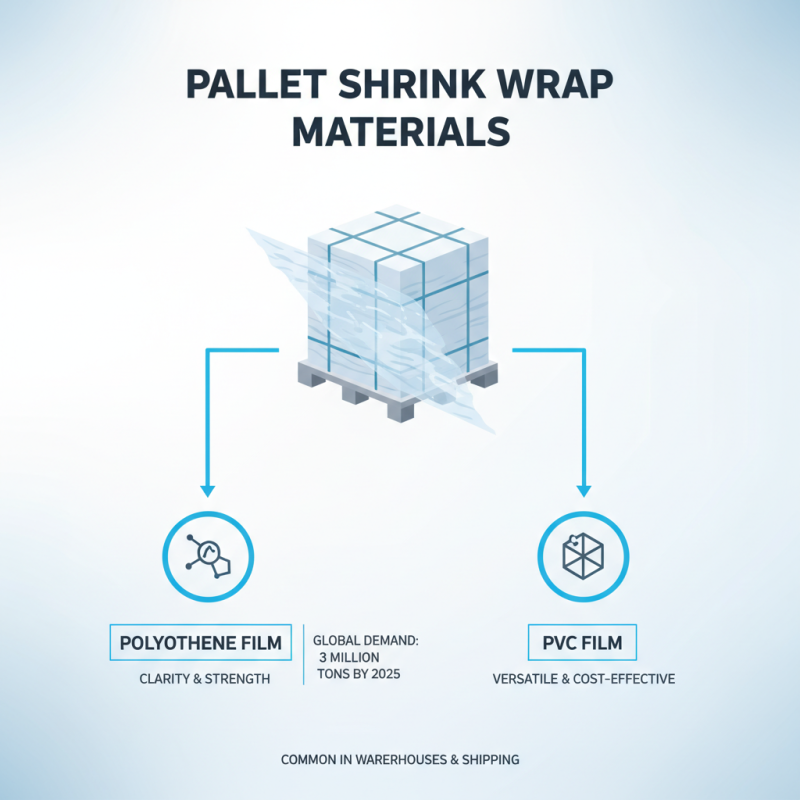
Pallet shrink wrap, commonly used in warehouses and shipping facilities, comes in various materials. Each type offers unique advantages tailored to specific needs. The most popular options include polyethylene and PVC films. Polyethylene is widely appreciated for its clarity and strength. Reports indicate that the global demand for polyethylene pallet wrap is projected to reach 3 million tons by 2025.

PVC shrink wrap is favored for its exceptional puncture resistance. It provides a secure and tight fit over products, particularly for heavy goods. According to industry experts, PVC films increase load stability by up to 30%. This feature reduces damage during transit and storage. Moreover, advances in blend capabilities have enhanced the performance of these materials.

Another growing option is biodegradable shrink wrap. With sustainability becoming a higher priority, consumers increasingly prefer eco-friendly materials. Data shows that the market for biodegradable films is expanding at an annual rate of 8%. This shift reflects an industry trend towards reducing plastic waste. However, these materials are not yet suitable for all applications. The performance and durability of biodegradable wraps still need further development to meet the high standards of traditional options.

Application Techniques for Pallet Shrink Wrap

Pallet shrink wrap is essential for securing merchandise during transit. Proper application techniques can greatly enhance its effectiveness and protect goods from damage. According to a report by the Flexible Packaging Association, nearly 18% of products are damaged in shipping. Ensuring a reliable wrap can significantly reduce this statistic.

One common method of application is spiral wrapping. This technique involves wrapping the film around the pallet from bottom to top. It creates a tight seal while allowing for better stability. Experts recommend overlapping the film by about 50% at each layer. This ensures that fragile items remain intact and reduces the risk of slippage.

Another technique is the use of corner posts or edge protectors. They help prevent the wrap from tearing on sharp edges. A study from the Packaging Machinery Manufacturers Institute found that using these supports can reduce damage rates by up to 30%. However, not all facilities utilize these options. Some may overlook them, assuming standard wrapping is enough. This can lead to avoidable losses. Effective training on these techniques can be beneficial for logistics staff.

Benefits of Using Pallet Shrink Wrap for Shipping

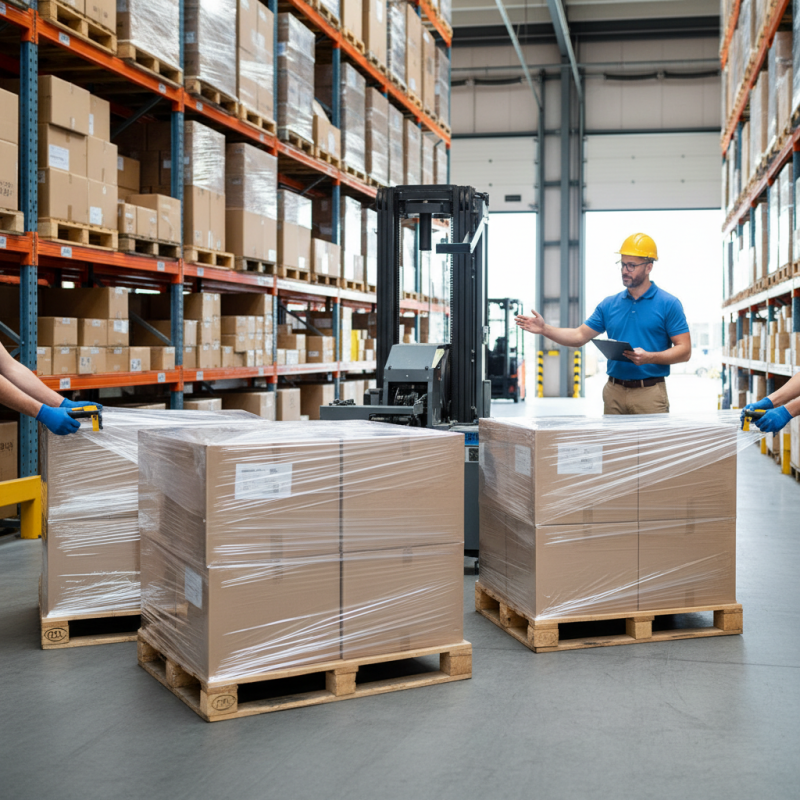
Pallet shrink wrap is an essential tool for shipping and storage. It offers numerous benefits that enhance the efficiency of logistics. One major advantage is the protection it provides. It shields goods from dirt, moisture, and potential damage during transit. This significantly reduces the risk of loss or spoilage.

Another benefit is cost savings. Using pallet shrink wrap can minimize the need for additional packaging materials. It consolidates items into a single unit, saving space and reducing shipping costs. However, it is crucial to apply the wrap correctly. Improper application can result in loose wraps or damaged products. Learning the right techniques is key.

Moreover, pallet shrink wrap promotes stability. When products are secured tightly, they are less likely to shift or tip over. This stability is vital for avoiding accidents in warehouses. On the downside, workers may need training to use the material efficiently. Investing in proper training can enhance safety and productivity.

What is Pallet Shrink Wrap and How is it Used? - Benefits of Using Pallet Shrink Wrap for Shipping

Dimension Description Benefits
Material Type Polyethylene (PE) or Polyvinyl Chloride (PVC) Durable and flexible, resistant to moisture.
Usage Wraps around palletized goods before shipping. Secures loads and reduces shifting during transit.
Sizes Available Various widths and thicknesses (e.g., 12" to 30" wide). Customization for different pallet sizes.
Advantages Protects against dust, moisture, and damage. Cost-effective and efficient for shipping.
Environmental Impact Recyclable options available. Minimizes waste when properly disposed of.

Common Industries Utilizing Pallet Shrink Wrap

Pallet shrink wrap plays a vital role in various industries. Its primary purpose is to secure products during storage and transportation. This material tightly encases pallets, preventing movement and damage. Many sectors benefit from its use.

In the food industry, shrink wrap protects perishable goods. It helps maintain freshness and extends shelf life. Products like fruits and vegetables are often wrapped to prevent spoilage. However, improper use can lead to issues like moisture build-up, causing mold.

The manufacturing sector also relies on pallet shrink wrap. It ensures that parts and equipment arrive intact at their destination. Yet, not all products are suitable for shrink wrapping. Delicate items may require alternative protective measures to avoid damage. Each industry must continually evaluate its packing processes for efficiency and reliability.