Blog

2026 Best Stretch Film Types for Global Buyers?

In 2026, choosing stretch film is not simply a matter of selecting the thickest roll or the lowest price. Global buyers must match film performance to load weight, pallet shape, transport distance, and wrapping method. A clear film that works well around uniform cartons may perform poorly on sharp-edged goods or unstable mixed loads. Small details matter. A loose corner can become a costly problem.

This guide compares hand, machine, pre-stretched, cast, and blown stretch film. It also examines gauge, cling, puncture resistance, load containment, and roll yield. These are practical buying factors, not just product-sheet claims. Ask suppliers for current specifications and test samples on your own pallets. One test load can reveal what a brochure cannot. Results may still vary by equipment and operator.

Expert quotation: “[Insert a verified stretch film industry expert’s name and exact quotation here.]” No source material was provided to verify an expert’s identity or wording, so attributing a quotation would risk misrepresenting their views. The comparison ahead therefore focuses on measurable selection criteria and questions buyers can take to suppliers. There is no perfect film for every shipment. A lower-cost option may be the better choice—or a false saving—depending on how the load behaves after wrapping.
2026 Best Stretch Film Types for Global Buyers?

What Is Stretch Film and How Is It Used in Global Packaging?

Stretch film is a flexible plastic film that clings to itself when wrapped around goods. It helps hold cartons, trays, and other items together during storage and transport. Unlike shrink film, it generally does not need heat to tighten around a load. Hand rolls suit smaller volumes, while machine rolls support faster, more consistent pallet wrapping.

A pallet of mixed cartons may shift when a truck turns or brakes. Proper wrapping adds containment, but film alone cannot correct a poorly stacked load. Operators often apply overlapping layers around the base, then work upward with controlled tension. Too little tension can leave cartons loose; too much may crush boxes or distort light products. Small adjustments matter.

Global shipments face different handling conditions, from humid warehouses to long periods in transit. Buyers should consider load weight, carton strength, pallet shape, and wrapping equipment when choosing film. Pre-stretched film can reduce the force needed during application, though it may not suit every load or machine. There is no perfect setting on paper. A practical trial with a typical pallet can reveal loose corners, torn film, or excess use that a specification sheet misses.

2026 Best Stretch Film Types for Global Buyers

What Is Stretch Film and How Is It Used in Global Packaging?

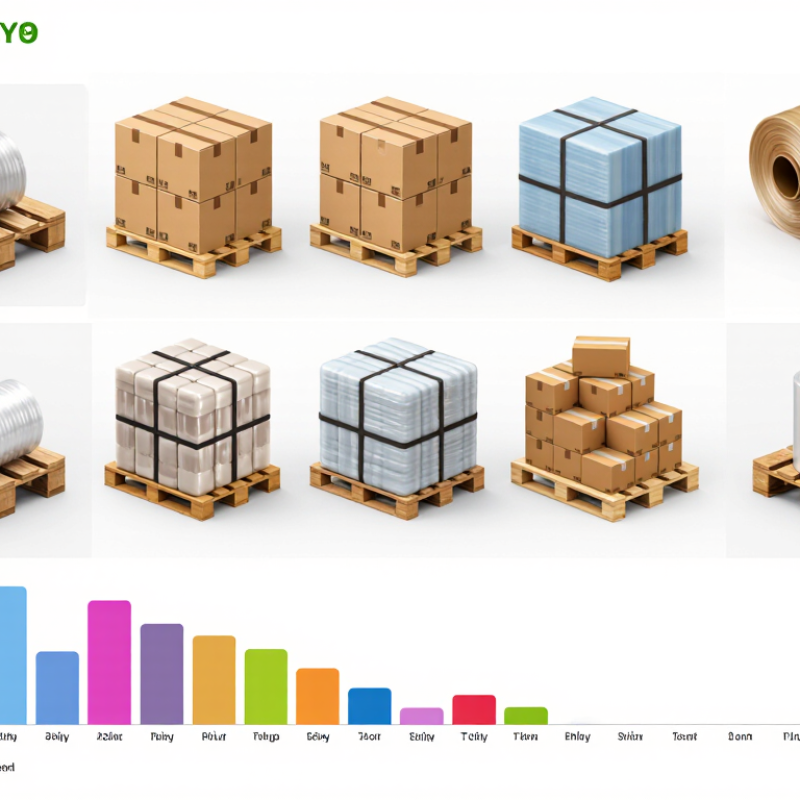
Stretch film is an elastic plastic film wrapped around goods to stabilize loads for storage and transport. These bars show representative nominal gauges commonly used for different applications; actual film specifications vary by load, equipment, and supplier.

Which Stretch Film Types Will Lead the Global Market in 2026?

In 2026, cast stretch film is likely to remain a common choice for high-volume pallet wrapping. Its smooth unwind and clear appearance help operators check labels and load stability without cutting the film. For warehouses wrapping similar loads all day, consistent thickness can reduce interruptions. But clarity alone does not secure a pallet; film tension and load shape matter too.

Blown stretch film may keep its place where loads have sharp corners or heavier, uneven contents. It generally offers strong puncture resistance, though it can be noisier and harder to unwind. That trade-off matters on a busy packing line. Not always. A well-matched cast film can perform adequately on many ordinary loads, so buyers should compare actual wrapping trials rather than rely on type names.

Machine-grade and pre-stretched films may gain attention as more facilities use automated wrappers and seek lower film use per pallet. Results depend on wrapper settings, operator routines, and the stability of the goods. A thin film that tears during acceleration is no saving. Ask suppliers for gauge, elongation, load-retention data, and test rolls; then check wrapped pallets after transport. One limitation remains: local climates and shipping routes can change performance, and a short trial may not reveal every weakness.

How Do Machine, Hand, Pre-Stretched, and Specialty Films Compare?

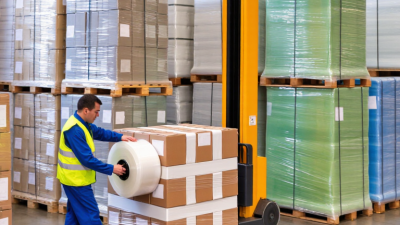
Choosing the right stretch film depends on load weight, wrapping speed, storage conditions, and available equipment. Machine film suits warehouses wrapping many pallets daily. It provides consistent tension and can reduce labor use. However, a poorly adjusted wrapper may stretch the film unevenly or damage cartons. Operators should check film force, puncture resistance, and containment strength through practical pallet trials.

Hand film remains useful for low-volume shipping, irregular loads, and sites without wrapping machines. It requires more physical effort and usually creates less consistent tension. Pre-stretched film is lighter and easier to apply by hand. It can reduce material use, but it may not hold heavy or unstable loads as effectively. Test it around sharp corners and mixed cartons before changing a full packaging program.

Specialty films address specific risks, such as high puncture exposure, cold storage, dusty environments, or loads requiring extra visibility. A thicker film is not automatically better. Excess material can increase cost without improving stability. Buyers should request technical data, batch consistency records, and application guidance from qualified suppliers. Small trials matter. Climate, pallet design, and operator habits can change results. My own preference is to measure actual film consumption and load movement, rather than trust thickness alone. That approach takes longer, but it reveals uncomfortable mistakes early.

How Can Buyers Choose Stretch Film for Loads, Equipment, and Climate?

Choosing the best stretch film starts with the load, not the price. A 2024 Smithers market report expects global stretch film demand to keep growing through 2028, driven by logistics, food distribution, and industrial packaging. Yet higher demand does not mean one film suits every shipment. A light carton load may need a thin, high-performance film, while sharp edges and unstable pallets require stronger puncture resistance. ASTM D4649 provides a useful framework for evaluating stretch wrap selection and performance.

Equipment changes the decision. Pre-stretch machines can reduce film consumption, but only when the film matches the machine’s settings and braking system. Check load containment force, elongation, puncture resistance, and roll dimensions during a real trial. Laboratory data alone can mislead. A pallet that looks secure may shift after vibration, especially with uneven cartons. That uncomfortable result deserves attention.

Climate adds another variable. In humid ports, condensation can reduce surface grip and weaken unstable cartons. Cold storage may make some films less flexible, while hot warehouses can increase cling and handling problems. The 2023 World Bank Logistics Performance Index highlights how widely cargo moves across different infrastructure and climate conditions. Buyers should test film at expected temperatures, humidity levels, and transport durations. A practical trial using corner boards, mixed carton weights, and several wrapping patterns is more reliable than choosing by micron thickness alone. I would still retest after changing suppliers or equipment settings. Small process changes can create surprisingly large failures.

What Quality, Compliance, Cost, and Sustainability Factors Matter Globally?

2026 Best Stretch Film Types for Global Buyers?

What Quality, Compliance, Cost, and Sustainability Factors Matter Globally?

Global buyers should judge stretch film beyond a low invoice price. Cast film offers consistent thickness and smooth unwinding. Blown film usually provides stronger puncture resistance and better performance around sharp pallet corners. High-performance films can reduce material use, but only when wrapping equipment is correctly calibrated.

Quality starts with stable gauge, reliable pre-stretch, puncture resistance, and predictable cling. Ask for test results covering tensile strength, elongation, tear resistance, and load retention. ASTM D882 and ASTM D1004 methods can support comparable laboratory checks. Yet laboratory performance is not warehouse performance. Temperature, dust, pallet geometry, and wrapping speed can change results. Trial rolls should be tested on actual lines, not only in a supplier sample room.

Compliance requires material specifications and traceable production records. For food-contact applications, verify migration testing and current regional requirements. Requirements differ across markets. The OECD Global Plastics Outlook reports that only 9% of global plastic waste was recycled in 2019. This makes disposal claims worth challenging. Cost analysis should include film consumption, downtime, damaged loads, and disposal fees. Thinner film is not automatically better. Overstretching can create hidden failures. UNEP’s Global Waste Management Outlook 2024 projects municipal waste could reach 3.8 billion tonnes by 2050. Buyers should request credible recycled-content evidence, carbon data, and clear end-of-life guidance. Some certificates remain difficult to compare. That weakness deserves scrutiny.