Best Stretch Wrap Machine for Global Buyers in 2026?
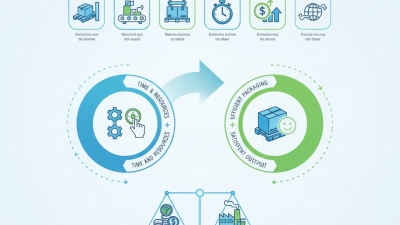
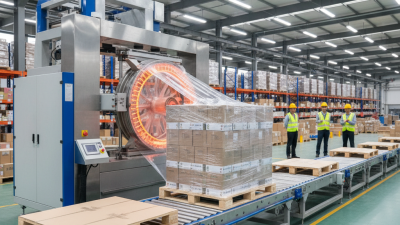
In today's fast-paced logistics industry, choosing the right stretch wrap machine is crucial for efficiency and cost management. According to recent market analysis by Research and Markets, the global stretch wrap machine market is projected to surpass $1.5 billion by 2026, illustrating a growing demand for automated solutions. Companies are increasingly recognizing that an efficient stretch wrap machine can significantly reduce stretch film consumption and enhance load stability.
With advancements in technology, modern stretch wrap machines now offer features like automatic film tension control and smart sensors. These innovations not only streamline operations but also contribute to sustainability goals by minimizing waste. However, aligning the right machine with specific operational needs demands careful consideration. Not every stretch wrap machine fits every application, raising questions about compatibility and adaptability.
Investing in a stretch wrap machine involves analyzing various factors, including throughput requirements and machine reliability. Some buyers may overlook the importance of training and maintenance, which are pivotal for achieving optimal performance. As the industry evolves, staying informed about the latest developments will help global buyers make smarter, more educated choices.
Top Considerations for Choosing a Stretch Wrap Machine in 2026
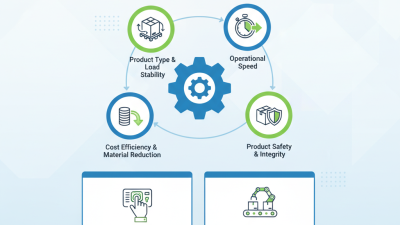
Choosing the right stretch wrap machine in 2026 requires careful consideration. Start by evaluating the machine’s speed. A faster machine can significantly boost productivity. However, it’s crucial to balance speed with operational stability. Machines that operate too quickly may lead to packaging errors.
Next, think about the type of films your operations require. Some machines are compatible with various film types, while others may be limited. This can impact your packaging flexibility. Reviewing this aspect can save time and resources in the long run.
Durability is another vital factor. Machines that experience frequent breakdowns can halt operations. In this regard, investing in a machine with solid build quality pays off. Maintenance should be convenient too. Complex maintenance requirements can lead to increased downtime. Ensure that replacement parts are readily available as well.
Your workforce's skill level matters too. A machine that is overly complex may require specialized training. This could slow down the integration process. Look for user-friendly options that don’t sacrifice functionality for ease of use. Balancing these aspects can lead to a more effective and reliable stretch wrap process.
Key Features to Look for in Stretch Wrap Machines for Global Buyers
When searching for the best stretch wrap machine in 2026, buyers should focus on several key features. A solid machine must have adjustable tension settings. This allows operators to control how tightly the film wraps around pallets. Having this flexibility can significantly reduce material waste. Another important feature is the film cut-off system. An efficient cut-off mechanism ensures clean, precise cuts. This reduces the risk of damage during unpacking.
Additionally, consider the machine’s speed and efficiency. A high wrapping speed can boost productivity, especially in busy environments. However, it's essential to find a balance between speed and integrity of the wrap. If a machine wraps too quickly, it might lead to loose or uneven wraps. This could compromise the protection of the products. Easy-to-use interfaces also matter. An intuitive interface can save time during training and operation.
Maintenance is another often-overlooked aspect. Machines that are difficult to maintain may cause delays. Look for models with accessible parts and clear instructions. This can save buyers from unexpected downtime and repair costs. While some features may seem less critical at first glance, ignoring them could lead to issues in the long run. Always weigh the benefits of each feature against your specific needs.
Comparative Analysis of Stretch Wrap Machines for Different Industries
In today's competitive landscape, various industries seek efficient stretch wrap machines tailored to their specific needs. The food industry, for example, prioritizes machines that offer enhanced speed and hygiene. These machines must wrap products securely while preventing contamination and moisture entry. The emphasis here is on consistency and reliability in the wrapping process, which can change based on product shapes and sizes.
In contrast, the manufacturing sector often requires machines that can handle heavy-duty applications. These machines need robust features to manage larger loads without compromising on film tension or quality. Nevertheless, not all machines perform well under different conditions. Some users find that complexity in operation can lead to human error, causing inefficiency.
Moreover, e-commerce businesses are increasingly adopting stretch wrap solutions for packaging shipments. They need devices that are adaptable and capable of wrapping a variety of package sizes. However, the market can be overwhelming, as not all machines deliver the promised performance. Buyers may find it challenging to navigate through options that look similar but fail in practical applications. Addressing these specific industry needs will be critical for buyers in 2026.
Comparative Analysis of Stretch Wrap Machines for Different Industries in 2026
Cost-Benefit Analysis of Stretch Wrap Machines for International Market
In the global market for stretch wrap machines, cost-benefit analysis is crucial. Businesses must evaluate initial purchase costs versus long-term savings. A recent report indicates that automated stretch wrap machines can reduce labor costs by up to 50%. This significant reduction is essential for companies aiming to improve their profit margins.
However, this investment requires a careful examination of efficiency. The average energy consumption of these machines varies widely, with some models consuming up to 20% less energy than their predecessors. This reduction not only lowers operational costs but also enhances sustainability, appealing to environmentally conscious buyers. Yet, it's also important to reflect on issues like downtime. Machines may require maintenance or unexpected repairs, influencing overall expenses.
While higher upfront costs can deter some buyers, long-term savings make stretch wrap machines an attractive option. Up to 70% of consumers reported increased productivity after implementing these systems. The real challenge lies in balancing initial investments with the potential for future gains. Assessing these factors is not always straightforward. Only through thorough market research can buyers make informed decisions.
Future Trends in Stretch Wrap Technology and Consumer Preferences in 2026
As the demand for efficient packaging rises, stretch wrap technology is evolving rapidly. In 2026, consumers will likely prioritize machines that offer enhanced automation and user-friendly interfaces. These machines will not only streamline operations but also reduce labor costs and improve packaging consistency. A focus on speed and reliability will be vital, especially for businesses aiming to meet tight delivery schedules.
Sustainability is another critical consideration. Global buyers will increasingly seek stretch wrap machines that utilize eco-friendly materials. Innovations such as biodegradable wrap and recyclable films are becoming standard expectations. However, there is still a gap in fully sustainable solutions. Many manufacturers need to address the challenges of reducing waste without compromising performance. Consumers will demand accountability and transparency from brands regarding their practices and materials.
Additionally, smart technology integration is on the horizon. Machines equipped with IoT capabilities will provide real-time data analytics. This feature will help businesses optimize their packaging processes and enhance overall efficiency. As preferences shift toward smarter, more connected solutions, the industry must stay agile. The challenge lies in balancing innovation with accessibility for all types of buyers. The future landscape will necessitate ongoing adaptations and reflections on best practices within the stretch wrap sector.
Best Stretch Wrap Machine for Global Buyers in 2026
| Feature |
Value |
| Max Film Width |
30 inches |
| Film Type Compatibility |
Stretch Film, Pallet Wrap |
| Wrapper Speed |
40 loads per hour |
| Power Supply |
220V AC |
| Technology Type |
Automatic |
| User Control |
Touchscreen Interface |
| Safety Features |
Emergency Stop, Safety Guards |
| Warranty Period |
2 Years |
| Market Trend |
Increased Automation & Eco-friendly Materials |