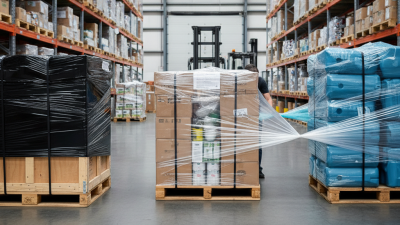
For global buyers, choosing a lantech wrapper supplier means evaluating more than machine price. Film use, pallet stability, throughput, and service access all affect operating costs. A wrapper may look impressive in a showroom, yet perform differently with uneven loads or dusty floors. Details matter.
Packaging demand is also shaped by material and sustainability pressures. The OECD’s Global Plastics Outlook (2022) estimates that global plastic production reached 460 million tonnes in 2019, while plastic waste reached 353 million tonnes. These figures cover plastics broadly, not stretch film alone, but they underline why buyers should ask suppliers about film efficiency and load containment. PMMI’s 2024 State of the Industry report offers additional packaging-machinery market context, including changing investment priorities. Buyers should consult the full report and assess how its findings apply to their own operations.
This guide introduces ten China-based suppliers for international comparison. It focuses on practical checks: machine specifications, demonstrated load performance, control-system options, spare-parts support, and export experience. Request test videos using your own pallet dimensions and load profile. Ask for written details on warranty coverage, installation, and response times. Fit comes first. A ranked list is useful, but it is not a factory audit; public product information may not reveal real service quality. Verify claims directly, compare quotations on the same technical basis, and treat unusually broad promises with care.
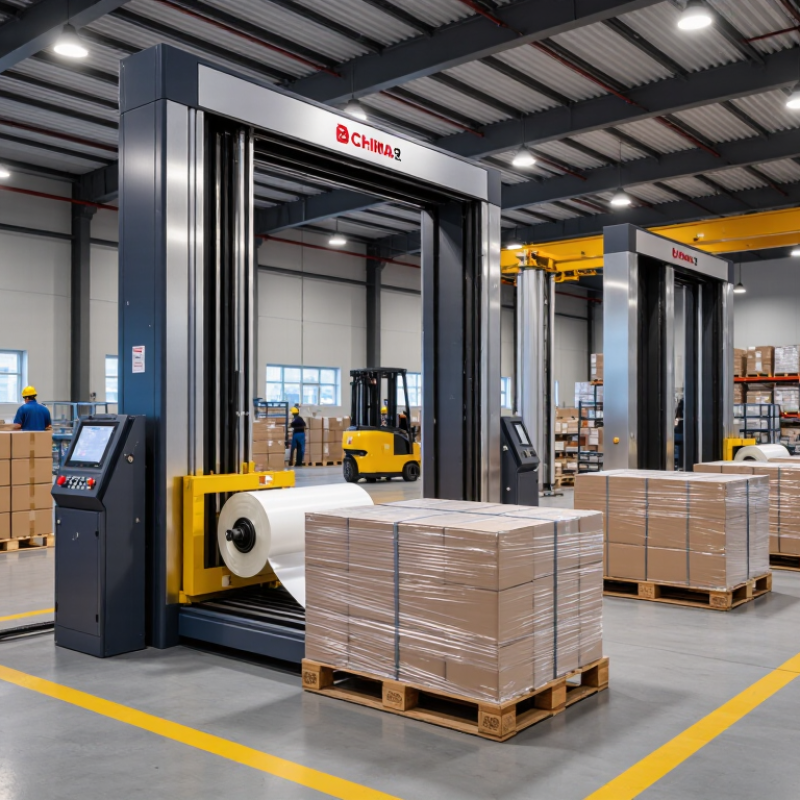
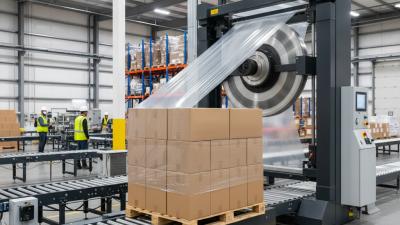
Stretch wrappers secure palletized goods with tensioned film, helping keep cartons aligned during storage and transport. A turntable rotates the load while a film carriage controls film delivery and, on some machines, pre-stretch. That matters. With too little tension, cartons can shift; too much can crush soft boxes or distort corners. Operators also monitor film overlap, breaks, and load height, not just cycle time. Small details matter.
On a busy packaging line, a wrapper can reduce repetitive hand wrapping and create more consistent load containment. Consistency is useful, but it depends on film choice, pallet condition, and product shape. A tall stack of mixed cartons may need different settings from a compact, uniform load. Before selecting or installing equipment, teams can test representative pallets and record film use, stability, and changeover time. Early results may be untidy. Automation does not correct poor stacking, and an aggressive setting may waste film or damage goods. That is worth checking.
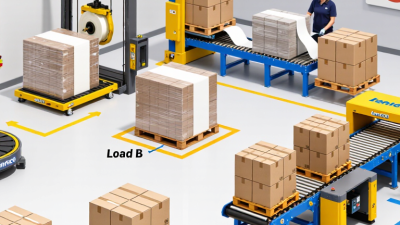
A reliable comparison starts with the load, film, and daily throughput the wrapper must handle. Ask suppliers for videos of comparable loads, not only polished demonstrations. Watch how the film carriage tracks pallet corners and whether operators can reach controls safely. Request drawings, electrical specifications, and a clear list of included components. Details matter. Confirm that the quoted configuration matches your pallet dimensions, local power supply, and target line speed.
Tips: Compare the same specifications across every quotation. Ask for a sample cycle using your load dimensions. Check the warranty terms, spare-parts list, and response process for technical support. Keep written records of each answer. Short checks prevent confusion.
Before placing an order, discuss installation, commissioning, and operator training. Ask who handles troubleshooting across time zones and what information they need to diagnose faults. A video can still hide inconsistent wrapping or difficult adjustments, so request references from buyers with similar applications. If possible, inspect a machine or arrange a live demonstration. Supplier documents may look complete, yet small details can remain unclear. That uncertainty deserves a direct question, not an assumption.
For global buyers, comparing China’s ten leading stretch-wrapper suppliers should begin with machine capability, not brochure claims. Check the stated load range, film carriage options, and turntable diameter against your actual pallets. A sample pallet measuring 1,200 by 1,000 millimeters can reveal clearance problems before installation.
Ask each supplier for a video of a comparable machine wrapping a similar load. Request cycle-time data, film-consumption figures, and details about guarding and emergency stops. Clear answers are useful. So are drawings.
If a supplier cannot explain how the machine handles unstable cartons, pause before treating a low quotation as a complete offer. Specifications can look tidy; factory conditions are less predictable.
Service matters after shipment. Confirm which spare parts are stocked, how remote troubleshooting works, and whether manuals and operator training are available in your working language. Compare warranty terms line by line, including travel and replacement-part costs. A factory visit or independent inspection may help verify assembly quality and test records. I would also leave room for doubt: one successful demonstration does not guarantee consistent performance across every production shift.
Buyers comparing Chinese stretch-wrapper suppliers should look beyond machine speed. Check whether each model uses a turntable, rotary arm, or ring system. Confirm its pallet dimensions, maximum load, film width, and pre-stretch range. Request a test video with a load similar to yours. A smooth demonstration is useful, but stable wrapping around uneven cartons matters more.
Capabilities and export services can differ widely. Ask for the machine’s configuration, included options, and a clear list of exclusions. Check whether manuals, remote commissioning, operator training, and spare parts are available. For shipment, confirm packaging details, delivery terms, and which export documents the supplier provides. Compare response times, too. A fast reply before purchase does not guarantee quick support later; this deserves careful checking.
Tips: Send a pallet photo and exact dimensions when requesting a quote. Ask suppliers to identify any assumptions in their proposals. Small omissions can change the final cost.
Buyer-side benchmark, not a verified supplier ranking: The rows compare common wrapper configurations available from packaging-equipment manufacturers. They do not represent ten identified or independently verified suppliers. Actual machine specifications and export services vary by model and must be confirmed directly with each supplier.
| Product configuration | Typical application | Core capability | Key specification to compare | Export and purchasing checks |
|---|---|---|---|---|
| Semi-automatic turntable wrapper | Low- to medium-volume pallet loads where an operator attaches and cuts the film. | The load rotates on a turntable while a film carriage travels vertically. | Maximum load weight and dimensions, turntable diameter, carriage type, and film-tension adjustment. | Request an electrical-compatibility statement, user manual, spare-parts list, and a shipment packing list. |
| Powered pre-stretch turntable wrapper | Pallet wrapping where controlled film use and repeatable containment are priorities. | A powered carriage stretches film before applying it to the load; pre-stretch capability depends on the carriage design. | Pre-stretch ratio, film-width compatibility, film-break detection, and available wrap programs. | Ask for film specifications, a sample-load test, recommended consumables, and remote commissioning options. |
| Low-profile turntable wrapper | Facilities loading pallets with a pallet truck, especially where a loading ramp or pit is needed. | A lower turntable deck reduces the height needed to load a pallet onto the machine. | Deck height, ramp dimensions, floor-space requirement, rated load, and access for pallet trucks. | Confirm crate dimensions and gross weight, unloading arrangements, installation requirements, and foundation details. |
| High-profile turntable wrapper | Pallets handled by a forklift or another suitable lifting device. | The raised deck provides turntable access without requiring a low-profile loading arrangement. | Deck height, turntable size, load capacity, and compatibility with the site's loading method. | Verify local electrical requirements, guarding and safety documentation, and the scope of installation support. |
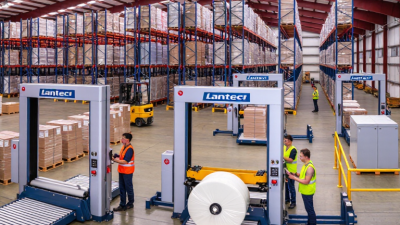
| Rotary-arm wrapper | Tall, heavy, unstable, or otherwise difficult-to-rotate loads. | The wrapping arm moves around a stationary load, avoiding rotation of the pallet during wrapping. | Maximum load dimensions and weight, arm clearance, film-carriage features, and guarding requirements. | Request layout drawings, safety-system details, installation instructions, and a video or trial using a representative load. |
| Rotary-ring wrapper | Higher-throughput lines designed for continuous or frequent pallet wrapping. | A film-carrying ring rotates around the load; the load can remain stationary during wrapping. | Ring opening, load envelope, line speed, film-carriage design, and integration requirements. | Confirm line-interface details, control-system compatibility, commissioning scope, and critical spare-parts availability. |
| Automatic turntable wrapper | Production lines seeking automatic film application and cutting at the wrapping station. | Automatic film clamp, cut, and tail treatment may be available, depending on the selected configuration. | Automatic film-handling functions, cycle time under stated conditions, operating modes, and safety interlocks. | Ask for a written cycle-time basis, control documentation, remote-support terms, and operator training options. |
| Inline automatic turntable system | Conveyorized pallet lines where loads enter and exit the wrapping area automatically. | Conveyors and sensors transfer and position loads; the wrapper is integrated into the production flow. | Conveyor height and direction, pallet-positioning accuracy, line rate, and upstream/downstream interfaces. | Require interface drawings, a control-scope matrix, installation responsibilities, and a site-acceptance plan. |
| Mobile robotic stretch wrapper | Operations wrapping loads at different locations without moving each pallet to a fixed turntable. | The mobile unit travels around a stationary load and applies stretch film; travel and wrapping depend on the floor and load layout. | Minimum aisle width, floor conditions, load-detection method, battery runtime, and safety sensors. | Confirm battery and charger specifications, operating-environment limits, spare-battery availability, and local service arrangements. |
| Horizontal stretch wrapper | Long or irregular products such as profiles, boards, pipes, and bundled goods. | Film is applied around a product moving through or alongside a rotating wrapping mechanism. | Product cross-section and length range, conveyor arrangement, film width, and wrapping pattern. | Provide representative product samples or dimensions; request layout drawings and a documented packaging trial. |
Comparison note: Output rates are not listed because they depend on load dimensions, wrapping pattern, machine configuration, and line conditions. Request a supplier-guaranteed rate using your actual load specification and agreed test conditions. Export quotations should separately identify Incoterms® 2020, destination port, packing method, lead time, warranty scope, and available shipping documents.
Choosing a pallet-wrapper supplier begins with the load, not the brochure. Record pallet dimensions, weight, stability, daily volume, and film type. Ask the supplier to test your actual product, including a tall or uneven load. Test the real load. The International Federation of Robotics reported 541,302 industrial robots installed worldwide in 2023 in its World Robotics 2024 report. That figure reflects broader automation growth, but it does not prove a wrapper will suit your line. Check how the proposed machine integrates with conveyors, safety controls, and existing shift routines.
Request measurable acceptance criteria: wrapping cycle time, load containment, film use per pallet, and changeover time. Confirm who installs the machine, trains operators, stocks critical spares, and responds to faults in your region. Put these commitments in writing, with response times and a clear warranty scope. One awkward truth: a polished factory demonstration may use easier loads than yours. A spreadsheet cannot capture every jam or operator workaround. Review test results with production and maintenance staff, then revisit assumptions after the first month. That extra review can feel slow, but it often reveals gaps before they become daily costs.