Blog

Top 10 Lantech Wrapper Machines for Global Buyers

Choosing the right lantech wrapper can affect pallet stability, film usage, labor time, and shipment quality. For global buyers, the decision involves more than machine speed. Warehouse temperature, pallet dimensions, load weight, film type, maintenance access, and operator training all matter.

Lantech founder Pat Lancaster is widely associated with the statement, “We invented stretch wrapping in 1972.” That history still shapes the brand’s engineering approach. Modern Lantech systems combine controlled film delivery, automated wrapping cycles, safety features, and options for irregular loads. Yet reputation alone cannot identify the best machine for every facility.

This guide reviews ten leading Lantech wrapper machines for international purchasing teams. It considers throughput, load flexibility, footprint, controls, film efficiency, service support, and total ownership cost. A machine wrapping 80 pallets per hour may appear ideal. However, it could be excessive for a smaller warehouse with limited floor space. A compact model may fit better, even with slower output.

Details matter.

Buyers should also examine voltage compatibility, spare-parts availability, installation requirements, and local technical support. These practical issues are often overlooked during initial comparisons. The rankings are useful, but not absolute. Product configurations can differ by market, industry, and application. Some performance information may require confirmation from Lantech or an authorized distributor.

That uncertainty deserves attention. A careful buyer tests real pallets, reviews film consumption, and measures wrapped-load performance before making a final decision. This introduction sets the framework for comparing the machines clearly, honestly, and with real operating conditions in mind.
Top 10 Lantech Wrapper Machines for Global Buyers

Lantech Wrapper Machine Types and Their Core Functions

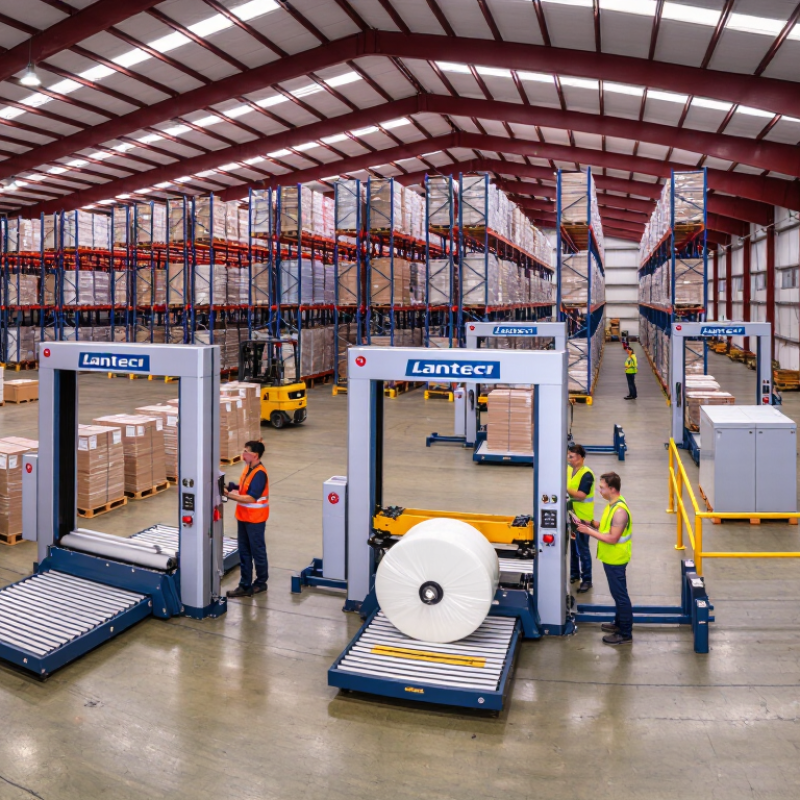
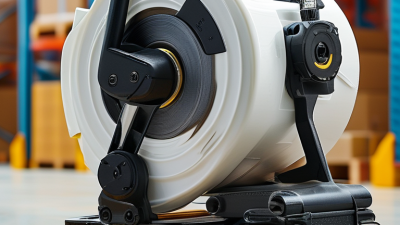
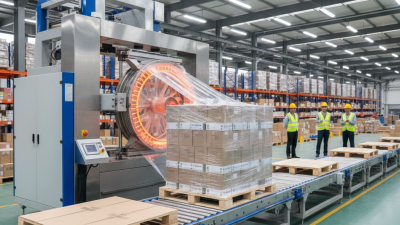
Industrial wrapper machines differ mainly in how they move around a load. Turntable wrappers rotate the pallet while a film carriage travels vertically. They suit stable, standard-sized loads and offer simple operation. Rotary-arm wrappers keep the load stationary, which helps protect fragile stacks, liquid containers, and uneven pallets. Ring wrappers move a film ring around the load at high speed. They are useful for continuous production lines.

Orbital wrappers handle long or irregular products, such as profiles, panels, and bundled materials. The film travels around the product instead of circling a pallet. Horizontal wrappers serve similar products, but their feeding direction can fit better with conveyors. Each type controls film tension, overlap, carriage speed, and wrapping cycles. These settings affect load stability, film consumption, and package appearance.

From plant evaluations, the best machine is rarely the fastest one. It must match load weight, dimensions, surface condition, and daily output. A powerful pre-stretch system can reduce film use, but excessive tension may crush cartons. I have seen operators blame the wrapper when poor pallet stacking caused failures. The machine was only part of the problem. Safety guarding, emergency stops, sensor accuracy, and accessible controls also deserve careful inspection. Some models promise broad flexibility, yet changeovers can be slower than expected. Test several real loads before approving a purchase.
Key Features to Compare Across the Top 10 Models

When comparing ten wrapper machines for global buyers, begin with measurable performance. Check rated speed, package dimensions, and seal consistency under continuous production. A machine claiming high output may slow when product sizes change. Ask for test results using your actual load, not a showroom sample.

Film handling deserves close attention. Compare supported film widths, thickness ranges, and roll-change time. Automatic tension control can reduce wrinkles around sharp corners. Weak sensors may create waste during humid shifts. Inspect the sealing system, too. Heated wires, hot knives, and impulse seals each suit different materials. The safest choice depends on package shape and film behavior.

Controls should offer clear settings, fault alerts, and language options for international teams. Remote diagnostics can shorten downtime, but only with dependable network protection. Review guard design, emergency stops, and access points against local workplace requirements. Energy use matters when the line runs for long hours; compare heating recovery and standby consumption. Footprint and conveyor height also affect installation costs. Service access is often overlooked. Can one technician reach the drive, sensor, and heater without dismantling the frame? I still question any ranking based only on speed. A slower machine with stable seals may deliver better value. Spare-part availability, training quality, and documented maintenance records provide stronger evidence of long-term reliability.

Performance, Load Capacity, and Wrapping Speed

Top 10 Lantech Wrapper Machines for Global Buyers

Performance, load capacity, and wrapping speed should guide every wrapper machine purchase. A fast machine is not always the best choice. It may struggle with unstable pallets, uneven cartons, or dusty warehouse floors. Reliable models should maintain steady film tension during long shifts. They should also provide simple controls and clear fault alerts. In practical evaluations, operators should test different pallet heights, weights, and film types. Small details matter.

Load capacity affects both safety and output. A machine rated for heavy pallets should keep the load centered while the turntable accelerates. Wrapping speed is equally important, but excessive speed can cause film breaks or loose corners. For many warehouses, a balanced cycle of 30 to 60 seconds offers better consistency than maximum speed. Ten machines may appear similar on paper. Their real performance can differ noticeably.

Tips: Test a fully loaded pallet before buying. Check film usage, corner protection, noise, and recovery time after a fault. Ask for service documentation and spare-part availability in your region. Do not judge performance from speed alone. I have seen buyers overlook operator training, and that mistake reduced actual output. A slightly slower machine may deliver fewer damaged loads and more dependable daily results.

Automation, Safety, and Global Compliance Considerations

When comparing the top ten wrapper machines, global buyers should examine automation beyond advertised speed. Reliable systems use film sensors, automatic tension control, programmable recipes, and clear fault messages. These features reduce waste when product sizes change during a shift. Integration also matters. The machine should communicate smoothly with conveyors, barcode systems, and existing production controls.

Safety must be visible on the factory floor. Look for guarded moving parts, interlocked doors, emergency stops, and light curtains near loading areas. Lockout and maintenance access should be practical, not merely listed in a manual. Operators need training in their own language. A short video beside the control panel can prevent a serious mistake. Not every factory needs maximum speed.

Global compliance requires careful verification before purchase. Certification marks, electrical ratings, risk assessments, and technical files should match the destination country. Requirements may differ across European, North American, and Asian markets. Ask for documented testing, installation guidance, and inspection records. Confirm whether local technicians can support commissioning and spare-parts delivery. A checklist can look complete while operators improvise. I would also question vague claims such as worldwide certified. The buyer should identify the exact standard, issuing body, and equipment configuration covered. That extra review feels slow, but it can prevent expensive redesigns after arrival.

How to Select the Right Lantech Wrapper for Your Market

Choosing the right pallet wrapper depends on your market, not only its advertised speed. A machine suited to a high-volume warehouse may struggle in a smaller facility with limited floor space. Review pallet dimensions, load weights, film types, and daily wrapping cycles before comparing ten machines. Measure the aisle width, too. It is an easy detail to miss.

Power requirements deserve careful attention. Confirm voltage, frequency, phase, and available electrical capacity with a qualified technician. Check whether the machine supports local safety requirements and language settings. Remote diagnostics can reduce downtime, but local technicians still matter.

Ask about spare-part availability, response times, installation training, and preventive maintenance schedules. A low purchase price can become expensive when one sensor waits weeks for replacement.

Test each wrapper with your actual products. Tall cartons, unstable loads, dusty packaging, or uneven pallets can expose weaknesses during a short demonstration. Compare film consumption, wrap tension, corner protection, and load stability after transport simulation. Controls should be clear for new operators wearing gloves. They should also record useful production data. Do not trust every catalogue figure. Real warehouse conditions are rarely perfect. The fastest cycle may create loose loads or damaged packaging. Leave room for that uncomfortable finding, and ask suppliers to explain how performance was measured.