Why Choose a Pallet Banding Machine for Your Business Needs?
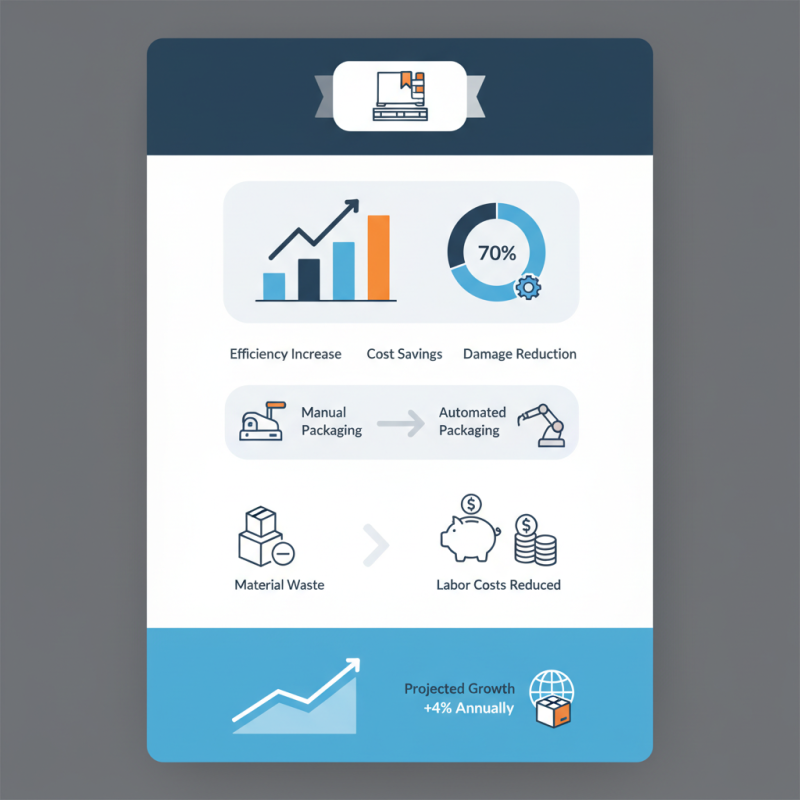
In today's competitive market, choosing the right tools can significantly impact business efficiency. A pallet banding machine is essential for many industries, from manufacturing to logistics. According to a recent report by the Packaging Machinery Manufacturers Institute, 70% of businesses experience increased efficiency when using automated solutions.
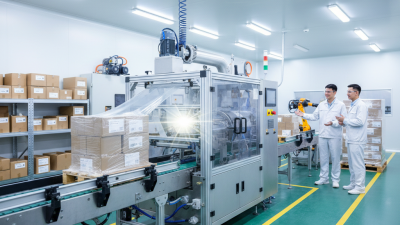
Pallet banding machines streamline the packaging process. They ensure that products are securely banded, preventing damage during transport. The North American packaging industry is projected to grow by 4% annually, emphasizing the need for reliable machinery. Yet, many businesses still rely on manual methods, leading to inconsistencies and potential errors.
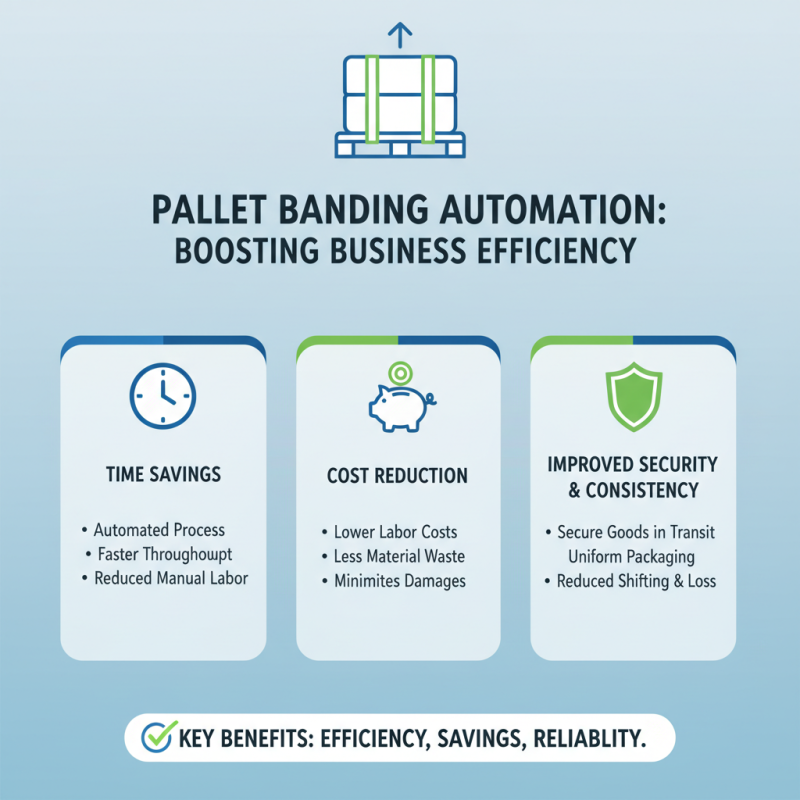
Investing in a pallet banding machine can lead to cost savings in the long run. It reduces labor costs and minimizes material waste. Despite the upfront investment, the return on efficiency is often worth it. Every decision should be weighed against potential benefits. Choosing automation should not be an afterthought, especially in a rapidly evolving market.
Understanding Pallet Banding Machines and Their Functionality
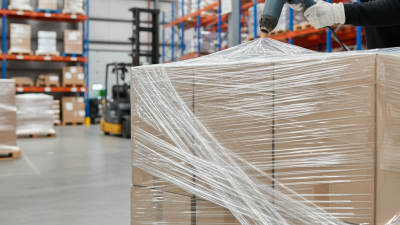
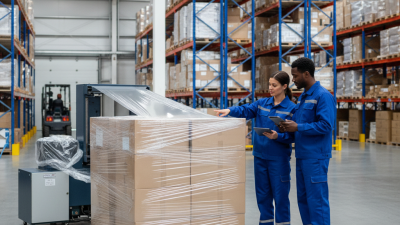
Pallet banding machines play a vital role in modern logistics. They secure products on pallets, ensuring safe transportation. According to the Packaging Machinery Manufacturers Institute, over 40% of companies face damage during shipment due to inadequate packaging. This indicates the urgent need for robust pallet handling solutions.
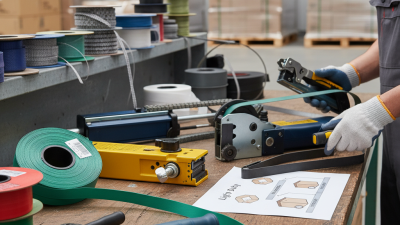
The functionality of these machines goes beyond mere binding. They use various materials, such as plastic and steel strapping. A report by Freedonia Group states that the demand for automated packaging will rise by 5.4% annually. This shift reflects the increasing efficiency and reliability these machines offer. They save time during loading and unloading processes, allowing businesses to streamline their operations.
However, adopting new machinery isn't without its challenges. Some companies may struggle with the learning curve associated with advanced banding technology. Maintenance and operational costs can also lead to budgetary concerns. Evaluating the true return on investment is crucial before making such decisions. Understanding both the benefits and drawbacks is necessary for obtaining long-term success in the supply chain.
Benefits of Using a Pallet Banding Machine
Key Benefits of Using Pallet Banding Machines in Businesses
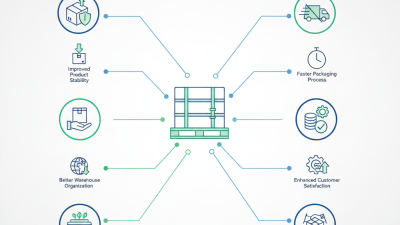
Pallet banding machines offer a range of benefits for businesses focused on efficiency. These machines automate the process of securing goods on pallets, which can save time and reduce labor costs. Automated banding helps ensure a consistent and secure packaging method. It minimizes the risk of products shifting during transport.
In addition to improving efficiency, these machines enhance safety. Banding reduces the likelihood of damage to products, which is often caused by shifting loads. This translates to fewer returns and higher customer satisfaction. However, it’s essential to choose the right machine. Oversizing or under-utilizing equipment can lead to wasted resources. Additionally, staff training on proper operation is crucial for maximizing efficiency and minimizing errors.
Productivity is vital in today’s fast-paced market. Businesses must continuously evaluate their processes. Yet, some may overlook the importance of reliable packaging methods. Banding machines can revolutionize how products are prepared for shipment. Still, a careful assessment of needs and workflow is necessary to fully realize their potential.
Factors to Consider When Choosing a Pallet Banding Machine
When choosing a pallet banding machine, several critical factors come into play.
First, consider the machine's capacity. According to industry reports, businesses often require machines that can handle varied weights and dimensions.
Many machines only accommodate specific sizes. Ensure that the one you choose can meet your business's packaging needs.
Another vital aspect is speed. The efficiency of your operation may hinge on how quickly your products can be banded.
Data suggests that companies can increase productivity by up to 30% by upgrading to a faster machine.
However, higher speed can sometimes lead to a decline in accuracy or quality, which is something to reflect upon.
Tips: Always assess the machine's durability. A well-constructed banding machine can offer a longer lifespan,
reducing replacement costs. Think about maintenance requirements too.
Machines that are hard to repair can cause downtime, affecting your bottom line.
Lastly, consider the operational simplicity. Machines should be easy to use. Complex controls can lead to errors, disrupting workflow.
While advanced features may seem appealing, they aren't always necessary.
Balancing complexity and user-friendliness is key.
Comparison of Manual vs. Automatic Pallet Banding Machines
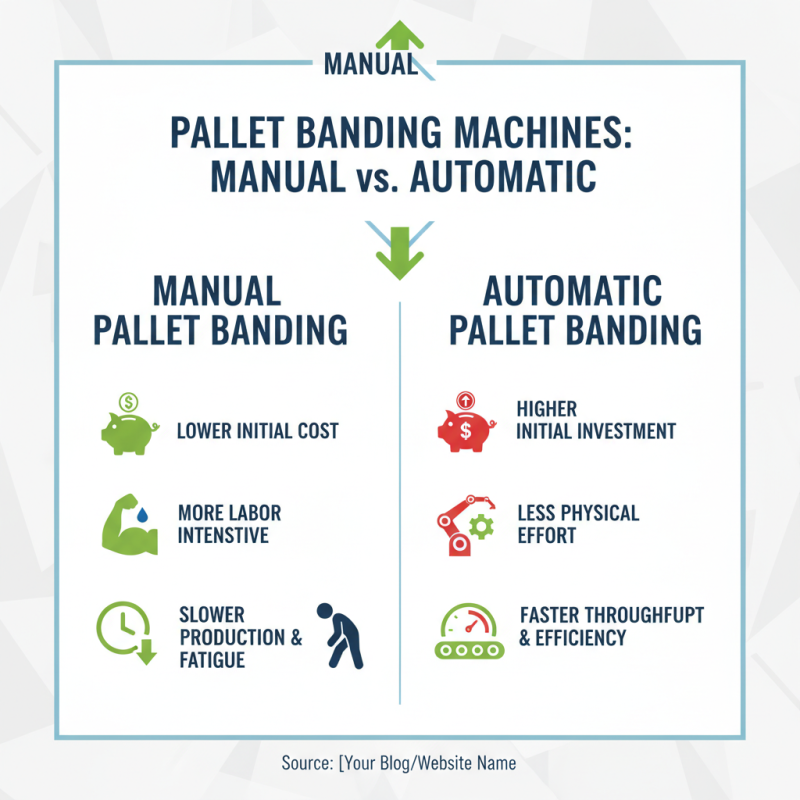
When considering pallet banding machines, the choice between manual and automatic options is crucial. Manual machines are often less expensive. They require more physical effort and time to operate. Workers must spend time adjusting the band and securing the load. This can lead to fatigue over time and may affect productivity.
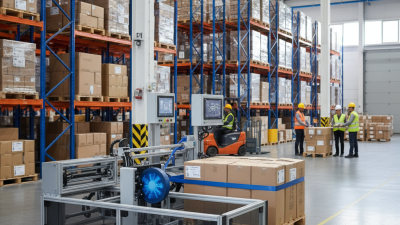
Automatic machines, on the other hand, provide efficiency. They require minimal human input. With just a few buttons, operators can secure pallets quickly. This reduces the risk of inconsistent band tension and potential load failure. However, initial costs are higher. Maintenance can also be more complex. Companies must weigh these factors, considering their specific needs and workflows.
Investing in either type depends on many elements. Businesses need to think about volume and labor costs. For smaller operations, a manual solution may suffice. Larger enterprises may benefit more from automation. It's essential to scrutinize your unique situation. Consider where you can improve efficiency or reduce costs. Every decision has its pros and cons.
Best Practices for Maintaining Your Pallet Banding Equipment
Maintaining your pallet banding equipment is crucial for efficiency. Regular checks can prevent unexpected breakdowns. Lubricate moving parts every few weeks. This simple step reduces wear and tear. Keep the banding machine clean. Dirt and debris can cause jams and slow operations.
Tips: Always use the recommended materials. Using incorrect banding materials can lead to malfunctions. Pay attention to tension settings. Over-tightening can damage both the product and machinery.
Train your staff on proper usage. Misuse can lead to accidents. Encourage them to report any irregularities immediately. This habit can save time and resources. Monitor the equipment's performance regularly. Look for signs of fatigue or wear. It’s better to act early than to wait for a crisis.