Blog

How to Choose the Best Stretch Film for Your Business Needs?

Choosing the right stretch film for your business is vital. The right film protects your products during shipping and storage. With various options available, making a decision can be overwhelming.

Consider your specific needs. Different stretch films serve different purposes. Some are designed for heavy loads, while others are more suited for lighter items. You might find yourself facing choices between hand and machine stretch films. Each type offers unique benefits that can impact your operational efficiency.

It's also important to evaluate the quality of stretch film. Poor-quality film may tear easily, leading to product damage. Think about how frequently you will use the film and the scale of your operations. Reflect on these factors to ensure you choose the best stretch film for your needs. Taking the time to make an informed decision helps your business thrive.
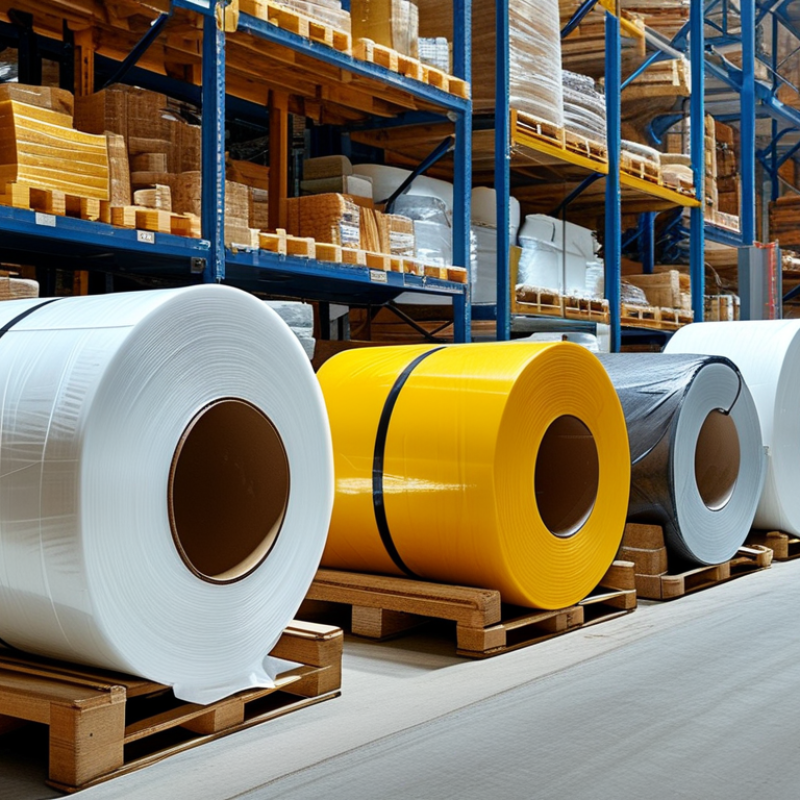
How to Choose the Best Stretch Film for Your Business Needs?

Types of Stretch Film and Their Specific Applications in Business

Choosing the right stretch film for your business involves understanding the different types available. Each type serves a unique purpose. For instance, pre-stretched film minimizes the amount of material used while maximizing load security. It is ideal for wrapping heavy loads. In contrast, blown stretch film is known for its superior strength and elasticity. This makes it suitable for irregularly shaped items that require flexibility during transport.

Hand stretch film is another option. It's lightweight and easy to use, perfect for small operations. Many businesses prefer machine stretch film for high-volume applications. It allows for consistent tension and speed, reducing labor costs. However, selecting the right type can be challenging. Each film type has its advantages and limitations, so testing your options is essential.

Additionally, consider the thickness of the stretch film. Thicker films offer more protection but can be more expensive. A thinner film may suffice for lighter items. Ultimately, understanding your specific packaging needs helps in making an informed choice. Don't overlook the importance of sustainability. Biodegradable options are available, resonating with eco-conscious consumers. Balancing these factors will lead to a more efficient wrapping process.


Key Factors to Consider When Selecting Stretch Film for Different Industries

Choosing the right stretch film is crucial for various industries. Packaging needs vary significantly. For example, food services require films that are puncture-resistant and airtight. This protects food during transport. The film must also comply with health regulations.

In the construction industry, thickness is essential. A robust film ensures that materials are secure on pallets. Consider the load weight and type. A heavier load might require a thicker film to prevent tears. Additionally, the climate can impact your material choice. In humid conditions, moisture-resistant films are preferable.

Cost is always a factor. Cheaper options might save money initially but can lead to higher replacement costs. Evaluate durability and performance before deciding. Some businesses overlook this, resulting in material failures. Identifying specific needs will help find the best stretch film for your operations.

How to Choose the Best Stretch Film for Your Business Needs? - Key Factors to Consider When Selecting Stretch Film for Different Industries

Industry Type of Stretch Film Thickness (Microns) Load Stability Clarity UV Resistance
Food Packaging Machine Stretch Film 23-30 High Transparent Yes
Pharmaceuticals Hand Stretch Film 15-23 Medium Clear Yes
Manufacturing High Performance Film 30-50 Very High Moderate No
Retail Color Stretch Film 20-28 High Opaqueness No

Understanding Stretch Film Specifications: Thickness, Width, and Strength

Choosing the right stretch film is crucial for business efficiency. Key specifications like thickness, width, and strength affect the performance. According to a recent industry report, optimal thickness ranges from 50 to 80 microns for general use. Films thinner than 50 microns may not provide sufficient protection, while those exceeding 80 microns can increase costs unnecessarily.

Width is another vital consideration. A standard width of 15 to 20 inches often accommodates most pallet sizes. However, using wider film can reduce the number of wraps needed. This choice reduces labor costs but may not suit every application. Understanding your specific needs is essential here. In certain situations, using too wide a film might result in waste.

Film strength is measured in puncture resistance and tensile strength. Industry statistics indicate that a tensile strength of 3000 to 5000 psi is ideal for standard applications. Films not meeting this specification could lead to product damage during transit. Balancing all these factors—thickness, width, and strength—can improve your packaging efficiency, but it often requires trial and error to find the perfect match for your business.

How to Choose the Best Stretch Film for Your Business Needs?

Cost Analysis: Evaluating the ROI of Different Stretch Film Options

When considering the ROI of different stretch film options, cost analysis plays a crucial role. A recent industry report indicates that businesses can save up to 20% on packaging costs by choosing the right stretch film. Many options exist, but not all deliver equal value. For instance, low-cost stretch films often compromise on strength and durability, leading to higher damage rates during transport. This can erode savings, ultimately impacting your bottom line.

Some analysis suggests that premium stretch films, while initially more expensive, provide enhanced load stability and reduce spoilage. A well-respected logistics study found that using high-quality stretch film reduced product loss by as much as 15%. This shows how investing in better materials can result in long-term savings. However, businesses must also consider their unique needs. Not every operation will experience the same benefits from high-end films. Reflecting on your specific requirements is vital.

Evaluating the right film should include not just initial costs but also potential savings from fewer damages. Performance metrics can guide decisions, but relying solely on numbers might mislead. Each business's circumstances differ, and a one-size-fits-all approach can lead to overlooked advantages or unnecessary expenditures. Hence, thorough analysis is essential for making informed choices.

Sustainability in Stretch Film: Choosing Eco-friendly Materials for Business

Sustainability is becoming crucial for businesses. When selecting stretch film, consider eco-friendly materials. These options contribute positively to the environment while still protecting your products. Many manufacturers now produce biodegradable and recyclable stretch films. This choice reflects a commitment to sustainability.

Packages made with eco-friendly materials can help reduce waste. They break down faster and lessen pollution. Sourcing local eco-friendly films can reduce your carbon footprint. This choice supports local economies and minimizes transportation emissions.

It's important to assess your needs clearly. Evaluate the strength and durability of the materials. Test how they perform in various conditions. Ensure they meet your packaging requirements without sacrificing quality. Staying informed about advancements in sustainable film technology is essential. New materials and innovations are constantly emerging. Stay proactive to find the best options for your business.