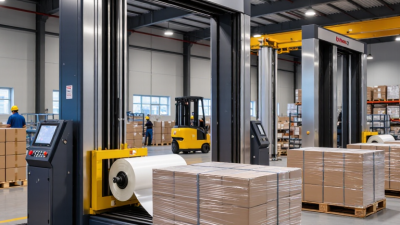
Choosing the best pallet strapping machine is not simply a matter of selecting the fastest model. It requires matching machine performance with real warehouse conditions. Pallet height, load stability, strap material, production volume, and operator skill all influence the decision. A machine running beside a clean conveyor may perform differently near a dusty loading dock. Small details matter, including strap width, tension range, sealing method, and access for maintenance.
Industry reports support this practical view. MHI’s 2024 Annual Industry Report identifies automation, labor availability, and supply chain resilience as major operational concerns. Its findings show that companies increasingly view technology as essential for improving productivity and consistency. PMMI’s 2024 packaging industry analysis also highlights flexible equipment and workforce efficiency as important purchasing priorities. These reports suggest that a pallet strapping machine should be evaluated as part of a complete packaging process, not as an isolated asset.
Not every fast machine is best. A high-speed unit may create unnecessary costs if your line processes irregular loads. A lower-speed model may deliver better value when reliability, simple controls, and quick strap changes matter more. Buyers should compare total cost, expected uptime, safety features, service support, and compatibility with existing conveyors. Requesting a live test with your actual pallet sizes is especially valuable. A perfect spreadsheet rarely survives a busy warehouse. Even experienced buyers can overlook cleaning access or operator reach. This guide examines the technical and practical factors that can lead to a more reliable choice.
Understanding How Pallet Strapping Machines Work
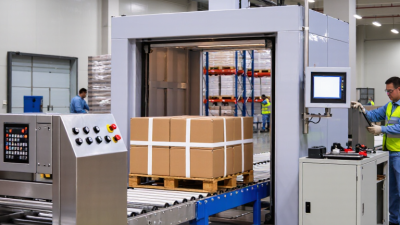
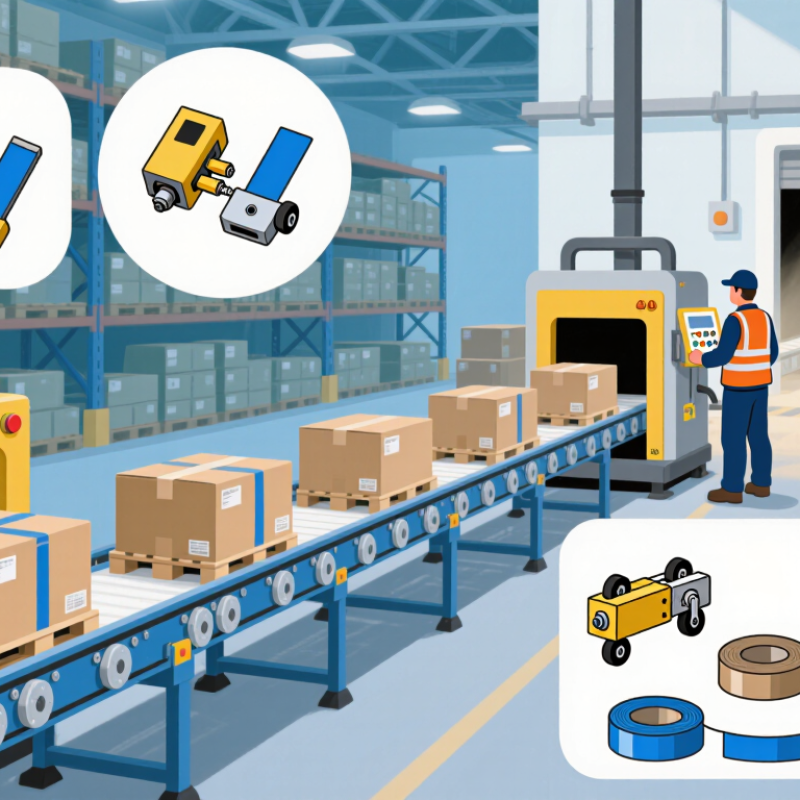
A pallet strapping machine secures a load by guiding plastic strapping around it, tightening the strap, and joining its ends. In an automatic system, sensors detect the pallet and start the cycle. A feed mechanism pushes strap through a guide channel and around the load. The machine then pulls the strap back to apply tension. Not magic. The sequence depends on correct settings and steady pallet positioning.
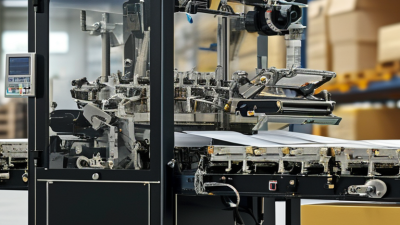
At the sealing head, heat or friction joins the strap ends, while a cutter trims the excess. The strap should hold cartons firmly without crushing corners or deforming products. Tension, strap width, and seal strength all affect the result. A poorly aligned pallet can cause feeding errors or uneven pressure. I have found that small differences in carton height can matter more than expected.
Tips: Keep the strap path clear and check the sealing area regularly. Test settings with a typical loaded pallet, not an empty one. Look for secure seals and crushed packaging. If results vary, inspect strap quality and pallet alignment before increasing tension. A quick adjustment may help, but it is not always the right fix.
How to Choose the Best Pallet Strapping Machine?
Identifying your load is the practical starting point. Measure pallet length, width, height, and total weight. Record the heaviest and lightest loads. They may need different settings. A stable carton load behaves differently from irregular bags or exposed metal parts. Check whether products shift during wrapping, forklift movement, or short-distance transport. A machine with adjustable tension helps prevent crushed cartons and loose straps. Strap width and material also matter. Polypropylene suits lighter loads, while polyester provides stronger restraint for heavier pallets. Do not choose tension by guesswork. Test it on the weakest package layer.
Production requirements shape the machine’s working speed. Count pallets per hour during your busiest shift, not during a quiet morning. Note the available floor space, conveyor height, and operator position. Automatic systems can reduce repetitive handling, but they need consistent pallet placement. Semi-automatic equipment may fit lower volumes and changing pallet sizes. It can also give operators more control. That advantage is easy to overlook. Consider strap roll changes, adjustment time, maintenance access, and operator training. A fast cycle is not useful if the line stops frequently.
Run a short trial with real loads. Inspect crushed corners, loose straps, film damage, and tilted cartons afterward. Ask operators what feels awkward. Their experience often reveals problems that specifications miss. I have seen teams select higher speed, then lose time correcting poorly aligned pallets. That choice looked efficient on paper. It was not. Leave room for seasonal volume changes and imperfect loading. Your ideal machine should match today’s work without limiting tomorrow’s.
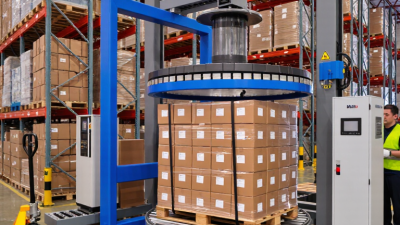
Choosing the best pallet strapping machine starts with the load, not the machine price. In a busy warehouse, a semi-automatic unit suits occasional pallets and varied sizes. An automatic machine fits steady lines with repeatable loads and trained operators. Handheld battery tools offer mobility for oversized or irregular pallets. They also depend heavily on operator technique. A high-speed machine can still be the wrong choice. Measure daily pallets, strap width, tension range, and available floor space before deciding.
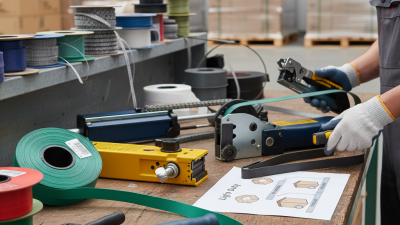
Material changes the decision. Polypropylene strapping is light, economical, and useful for stable cartons. It can lose tension when loads settle or temperatures change. Polyester strapping provides stronger retained tension and better resistance to stretching. It suits heavier pallets, dense boxes, and outdoor handling. Steel strapping handles severe loads, but it adds weight, sharp edges, and higher equipment demands. Use compatible seals, guides, and heat or friction welding settings. Never assume one material fits every shipment.
When comparing machines, check tension accuracy, sealing consistency, cycle time, jam access, and replacement-part availability. Ask for a trial using your actual pallet pattern. Watch whether corners crush or straps shift during handling. Operators should reach controls safely and clear the strap path easily. Maintenance logs can reveal more than a sales demonstration. A machine may perform well in testing, yet struggle with dusty floors or mixed pallet heights. Record these findings before approving the purchase.
Comparing machine types and strapping materials by typical packaging throughput.
Typically handles about 200–400 packages per hour. The operator positions the package and starts the strapping cycle manually.
Commonly processes around 600–1,200 packages per hour and is suitable for repetitive packaging lines with regular package sizes.
Often reaches approximately 1,200–2,400 packages per hour when integrated with conveyors and automated handling equipment.
Polypropylene (PP) is lightweight and economical for light-to-medium loads. Polyester (PET) provides higher tensile strength and better retained tension for heavy cartons and palletized goods. Steel strap offers the highest strength and is generally selected for very heavy, rigid, or sharp-edged loads. The machine must support the selected strap width, thickness, tension range, and sealing method.
Choosing the best pallet strapping machine starts with its working environment, not its advertised speed. In a busy warehouse, measure pallet sizes, strap width, daily volume, and available floor space. A machine should handle common loads without constant manual adjustment. Adjustable strap tension matters when securing cartons, drums, or uneven boxes. Some loads need firm compression, while fragile packages can buckle under excessive force.
Safety features deserve practical inspection. Look for guarded sealing areas, emergency-stop controls, stable frames, and clear access points for maintenance. Operators should not reach near moving parts during normal use. A low-noise motor can reduce fatigue during long shifts. Training also matters. Even a well-designed machine becomes risky when workers bypass sensors or remove protective covers. That happens more often than equipment brochures suggest.
Operating cost includes more than the purchase price. Check power consumption, heating-element life, replacement blades, strap waste, and service access. A reliable tensioning system may reduce broken straps and rejected pallets. Track these costs for several weeks before making a final decision. I have seen companies choose the fastest cycle, then lose money through frequent adjustments and downtime. That choice looked efficient on paper. It was not. A slower machine with simple controls, accessible parts, and consistent seals may deliver better value over years. Local technician availability should also influence the decision, because waiting days for a minor repair can stop an entire packing line.
How to Choose the Best Pallet Strapping Machine?
Selecting a Machine That Fits Your Workflow
A suitable pallet strapping machine should match how loads move through your facility, not just how many straps it applies per minute. Observe a typical shift: note pallet sizes, load stability, daily volume, and how often operators change strap positions. A line handling uniform cartons may benefit from automatic strapping, while mixed loads and frequent adjustments can make a semi-automatic machine easier to manage. Small details matter. A narrow aisle or uneven floor can affect machine placement and access.
Check how the machine fits around existing conveyors, wrapping stations, and forklift routes. Ask suppliers for cycle-time estimates based on your actual pallet dimensions and working pace, rather than relying only on headline capacity. Consider strap tension controls, guarding, threading access, and how quickly a trained operator can clear a jam. Maintenance is part of workflow, too. If routine cleaning or strap changes interrupt production, the apparent speed advantage may disappear. I have seen selection plans overvalue peak output; real shifts rarely stay perfectly consistent. That is worth questioning. Before committing, test representative loads and involve the operators who will use the machine daily. Their feedback can reveal awkward controls or clearance issues that a specification sheet will not show.
| Selection Factor | What to Assess | Typical Options or Considerations | Best Fit When |
|---|---|---|---|
| Daily pallet volume | Average and peak pallets per shift, including seasonal demand. | Manual tools suit occasional use; semi-automatic and automatic systems support progressively higher, more consistent throughput. | You choose capacity based on peak workflow needs rather than the average day alone. |
| Strapping method | Whether straps are applied vertically, horizontally, or in both directions. | Common configurations include top-mounted vertical strapping heads, side-mounted horizontal heads, and combined systems. | The strap direction matches the load’s stability requirements and shipping method. |
| Load dimensions and weight | Pallet footprint, maximum load height, overhang, and load variation. | Check the machine’s usable opening, conveyor width, load-height range, and rated load capacity. | Your largest and least uniform loads can pass through safely without frequent adjustments. |
| Load stability | Product shape, stacking pattern, compressibility, and risk of shifting. | Adjustable strap tension and suitable strap placement help secure different load types; fragile goods may require lower tension. | The machine can secure the load without crushing products or leaving the pallet inadequately restrained. |
| Strap material and size | Compatibility with the required strap width, thickness, and material. | Polypropylene is commonly used for lighter-duty applications; polyester is often selected when greater strength or tension retention is needed. Verify machine compatibility. | The machine supports the strap specification already used or planned for the operation. |
| Automation level | Available labor, desired operator involvement, and line speed. | Manual systems require hands-on operation; semi-automatic machines need operator positioning; automatic systems can integrate with conveyors and sensors. | The automation level matches throughput goals, staffing, and the complexity of the production line. |
| Line integration | Conveyor height, pallet transfer direction, controls, and space around the machine. | Consider in-line or stand-alone installation, conveyor interfaces, guarding, and access for operators and maintenance. | The machine fits the existing material flow without creating bottlenecks or unsafe access points. |
| Changeover flexibility | How often pallet sizes, products, or strap patterns change. | Look for accessible controls, adjustable guides, and settings that can be changed safely and consistently. | Your operation handles multiple load formats and needs practical, repeatable changeovers. |
| Safety and ergonomics | Moving parts, pinch points, emergency stops, noise, and manual handling. | Assess guarding, safety interlocks, clear operator instructions, and compliance with applicable workplace requirements. | Operators can load, run, and service the equipment with appropriate protection and training. |
| Maintenance and uptime | Routine cleaning, wear parts, fault diagnosis, and service availability. | Review maintenance intervals, access to components, spare-parts lead times, and troubleshooting documentation. | Planned maintenance can be completed without disrupting production for extended periods. |
| Total operating cost | Purchase price, installation, energy use, consumables, labor, and service costs. | Compare the expected cost over the equipment’s useful life, not just the initial investment. | The expected savings in labor, material use, or downtime justify the total cost for your workload. |
| Acceptance testing | Performance with representative pallets, straps, and operating conditions. | Test typical and challenging loads; verify cycle performance, strap placement, tension, and operator workflow. | Trial results confirm the machine works with real production loads before purchase or final installation. |