Choosing a shrink tunnel can influence packaging quality, production speed, energy use, and customer satisfaction. The best choice depends on your products, film type, package dimensions, and daily workload. A small retailer may need a compact electric machine, while a busy factory may require a longer tunnel with stronger airflow and higher throughput. The cheapest option is rarely the safest investment.
An experienced packaging team measures real operating conditions before comparing models. Record the largest package, the smallest package, conveyor speed, and expected production volume. Test products with different shapes, such as boxed goods, bottles, and irregular bundles. A tunnel that runs too hot may damage labels or deform thin plastic. A tunnel that runs too cool may leave loose film and visible wrinkles. Small details matter.
Reliable equipment should offer stable temperature control, adjustable airflow, guarded heating areas, emergency stops, and easy cleaning access. Energy consumption deserves attention, especially during long production shifts. Ask suppliers to test your actual products rather than relying on showroom demonstrations. Examine seal appearance, film tightness, package stability, and surface temperature after cooling. Test it twice. One successful sample does not prove consistent performance.
Service support also reflects supplier credibility. Confirm spare-part availability, operator training, warranty coverage, and response times. Keep written test results for future comparison. No machine is perfect for every business, and early assumptions may prove wrong. A careful shrink tunnel selection process leaves room for adjustment, evidence, and honest review.
Choosing a shrink tunnel starts with understanding its main function. The machine applies controlled heat, removes film wrinkles, and forms a tight package. Different tunnel types produce different results.
Hot-air tunnels circulate heated air around products. They suit general packaging and handle varied film sizes.
Steam tunnels combine moisture and heat. They can create smooth finishes on curved containers.
Infrared tunnels heat the film directly. They often require less chamber space, but product positioning becomes more critical.
Not every package needs maximum speed.
A conveyor controls how long each package stays inside the heating chamber. Adjustable speed affects shrink quality and production capacity. Temperature alone is not enough. Airflow, tunnel length, film thickness, and package shape also matter.
Film compatibility matters. Polyolefin, PVC, and polyethylene films may need different settings. A practical test should measure wrinkles, seal strength, package appearance, and energy use.
Watch the corners. They often reveal uneven heating first.
When comparing equipment, inspect the temperature controls, insulation, emergency stop, and cleaning access. A small workspace may benefit from a compact tunnel, while high-volume lines need stronger airflow and longer chambers.
I once focused too heavily on throughput and overlooked adjustment time. That was a poor assumption.
Test real products before purchasing. A sample run may expose weak seals, overheated film, or unstable conveyor movement.
Some choices remain imperfect. Careful records make those imperfections easier to manage.
How to Choose a Shrink Tunnel for Your Business?
Assessing Product Size, Material, and Packaging Requirements
Choosing a shrink tunnel starts with the product, not the machine catalogue. Measure length, width, height, and package spacing after sealing. Include trays, handles, labels, and uneven edges. A compact tunnel may reduce energy use, but tight clearance can cause wrinkles or stalled packs. Leave practical space around the largest package. Measure it twice.
Film material changes the required heat profile. Polyolefin, polyethylene, and other films respond differently to temperature, airflow, and dwell time. Check the film supplier’s processing range before selecting tunnel settings. Thin film may need gentler heat, while thicker film often needs longer exposure. Excess heat can distort printed labels or soften delicate products. Record actual surface temperatures, not only the control-panel reading.
Packaging speed also matters. Count packs per minute, conveyor gaps, and expected seasonal peaks. A tunnel should handle the target rate without forcing operators to rush. Test full-size packages, not empty cartons. Watch corners, seals, and the underside of each pack. I have seen attractive sample results fail during continuous production. That failure is useful information. It may reveal poor airflow, unstable film, or an oversized package mix. A short trial with real materials often prevents an expensive, badly matched purchase.
How to Choose a Shrink Tunnel for Your Business?
Choosing a shrink tunnel starts with the heating method. Electric heating offers steady temperature control and suits many indoor production areas. Gas heating can deliver strong output, but it needs proper ventilation and trained operation. Infrared heating responds quickly, although uneven packaging may receive inconsistent heat. Test several film types before deciding. Real products behave differently from samples.
The conveyor system affects both appearance and output. Mesh belts support varied package shapes and allow air movement around the load. Roller conveyors work well with stable, flat-bottomed products. Check belt width, maximum load, speed range, and cleaning access. A tunnel that runs too quickly may leave loose film. Slow operation can cause wrinkles or product damage. I have seen teams focus on heating power and overlook conveyor alignment. That mistake is expensive.
Tunnel dimensions should match the largest packaged item, not today’s smallest box. Leave practical clearance above and beside each product. Measure package height after sealing, including raised corners or handles. Consider future package changes, but avoid buying excessive capacity. It increases energy use and may reduce heat efficiency. Record temperature, conveyor speed, and film results during trials. Then review the data honestly.
Tips: Measure twice. Test at full load. Watch corner shrinkage. Leave room for maintenance. If results vary, question the process before blaming the equipment.
Comparing Heating Methods, Conveyor Systems, and Tunnel Dimensions
Electric heating is commonly selected for precise control and clean indoor operation. Gas heating generally offers faster heat-up and higher capacity, while steam requires an available steam supply and suitable condensate management.
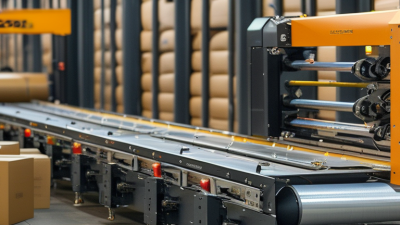
Wire-mesh conveyors provide airflow around products and suit general packaging. Solid-belt conveyors support small or unstable packs, while roller conveyors are useful for rigid trays and heavier loads.
Choose the tunnel opening from the largest package cross-section and allow clearance for airflow. Longer tunnels can support higher line speeds, but they require more floor space and energy.
Typical engineering ranges for commercial shrink-tunnel selection. Actual performance varies with film type, package material, load density, ambient conditions, and conveyor speed.
How to Choose a Shrink Tunnel for Your Business?
Speed should match your actual production rhythm, not an impressive brochure number. Measure packs per minute, film type, product size, and changeover frequency. A tunnel running too slowly creates queues. Excessive speed can cause wrinkles, weak seals, or damaged packaging. Test several pack sizes during a real shift. Short tests can hide practical problems.
Energy use deserves careful attention. The International Energy Agency’s Energy Efficiency 2023 report estimates that industry consumes about 37% of global final energy. Tunnel insulation, heating control, standby settings, and airflow design directly affect operating costs. Record kilowatt-hours per 1,000 packs. The cheapest machine may not remain cheapest. A poorly adjusted conveyor can waste heat every hour.
Safety and maintenance are equally important. Check guarding, emergency stops, hot-surface protection, and access around the sealing area. OSHA guidance treats machine guarding and lockout procedures as essential controls. Maintenance access should be simple, with visible heaters, removable panels, and clear fault codes. Deloitte’s 2022 machinery analysis suggests predictive maintenance can reduce downtime by 5–15%, but those figures are not guaranteed for every tunnel. Start with temperature logs, motor noise, and weekly cleaning records. I would question any forecast that ignores dust, film residue, operator training, and seasonal workload. Practical evidence often matters more than a polished specification sheet.
| Shrink Tunnel Type | Typical Throughput | Typical Working Temperature | Typical Installed Power | Relative Energy Use | Safety Considerations | Maintenance Needs | Best-Fit Applications |
|---|---|---|---|---|---|---|---|
| Hot-Air Circulation Tunnel | Approximately 10–30 packages per minute, depending on package size, film, and conveyor speed. | About 120–220°C; the required setting depends on the shrink film and package geometry. | Approximately 6–18 kW for common production machines. | Medium to High Uses electrically heated air and a circulation fan. |
Insulated panels, guarded hot surfaces, emergency stop controls, and adequate ventilation are important. | Clean the heating chamber, fan, air vents, and conveyor regularly. Check temperature sensors, belts, bearings, and electrical connections. | General-purpose packaging, bundled products, cartons, trays, and irregularly shaped packs. |
| Infrared Heating Tunnel | Approximately 8–25 packages per minute, depending on film response and the distance between the product and heaters. | Typically 100–200°C at the heating zone; infrared output is adjusted to the film and product surface. | Approximately 4–15 kW for common production machines. | Medium Direct radiant heating can reduce warm-up time and localized heat loss. |
Heater panels can reach high temperatures quickly. Use shielding, interlocks, protective guarding, and heat-resistant access points. | Keep infrared elements and reflectors free from film residue and dust. Inspect heater output, wiring, sensors, and conveyor components. | Products requiring targeted heating, compact packaging lines, and operations that value rapid start-up. |
| Steam Shrink Tunnel | Approximately 20–60 packages per minute in continuous industrial applications. | Usually around 80–100°C saturated steam, depending on film and package requirements. | Approximately 3–12 kW for the tunnel itself, excluding the steam boiler or central steam system. | Low at Tunnel Total energy use depends on boiler efficiency, steam pressure, insulation, and condensate recovery. |
Steam burns, pressure hazards, condensation, and slippery floors require guarding, insulation, drainage, pressure controls, and operator training. | Inspect steam valves, nozzles, traps, hoses, seals, drains, and pressure controls. Remove scale and monitor water treatment. | Bottled products, multipacks, beverage packaging, and high-volume lines where a steam supply is already available. |
| Combination Steam and Hot-Air Tunnel | Approximately 15–50 packages per minute, depending on the selected heating stages and package dimensions. | Steam is commonly near 80–100°C, followed by hot air at approximately 100–180°C. | Approximately 8–25 kW for electrical components, excluding external steam generation. | Medium Can balance film appearance and drying performance, but has more systems to operate. |
Requires controls for both hot surfaces and steam. Condensation management, guarding, pressure protection, and ventilation are essential. | Maintain steam and hot-air systems separately. Inspect valves, nozzles, heaters, fans, sensors, drains, and conveyor parts. | High-output packaging lines that need smooth shrink results and controlled moisture removal. |
| Compact Bench or Entry-Level Tunnel | Approximately 3–12 packages per minute, usually with a shorter or narrower conveyor. | About 100–200°C, depending on the shrink film and package type. | Approximately 3–9 kW. | Low to Medium Lower total consumption, but energy per package may increase at low utilization. |
Small enclosures can retain heat. Confirm effective guarding, emergency stop access, thermal protection, and electrical compliance. | Keep the chamber clean, inspect the conveyor belt and heating elements, and remove film buildup before it affects airflow. | Small businesses, seasonal production, test runs, short production batches, and limited floor-space operations. |
| High-Speed Continuous Tunnel | Approximately 30–100+ packages per minute when matched with an automatic sealer and correctly sized products. | Typically 100–220°C, depending on film type, package density, and line speed. | Approximately 15–45 kW, excluding upstream and downstream equipment. | High Total Demand High output can lower energy per package when the machine operates near its rated capacity. |
Requires full guarding, emergency stops, access-door interlocks, thermal cut-outs, conveyor protection, and documented lockout procedures. | Use preventive maintenance for fans, belts, bearings, sensors, heaters, controls, and insulation. Keep spare wear parts available. | Large-volume operations, centralized packaging lines, contract packaging, and facilities with consistent product dimensions. |
Note: The figures are typical planning ranges rather than guaranteed machine specifications. Actual performance and energy consumption vary with package dimensions, film type and thickness, product temperature, conveyor loading, insulation, ambient conditions, and operating settings. Always verify the required capacity, electrical supply, ventilation, safety compliance, and maintenance access before purchase.
Choosing a shrink tunnel should begin with your production numbers, not a catalog photograph. PMMI’s 2024 State of the U.S. Packaging Machinery Industry report valued domestic packaging machinery shipments at approximately $10.3 billion in 2023. That scale reflects intense demand for automation, but a larger machine is not always the wiser investment. Measure hourly packages, film width, product height, changeover frequency, and available electrical capacity. A tunnel running at 60 packages per minute may be wasteful if your upstream equipment produces only 35.
Budget for more than the purchase price. Include installation, ventilation, spare heaters, maintenance labor, and energy consumption. The U.S. Department of Energy identifies process heating as a major industrial energy user, so tunnel insulation and accurate temperature control deserve attention. Compare kilowatt demand at your real operating speed. Ask suppliers for test results using your film and product shape. A neat demonstration can hide weak sealing or uneven shrinkage.
I have seen theoretical speed figures look impressive. Production rarely behaves so politely. Tall cartons may need longer dwell time, while thin film can wrinkle under excessive heat. Record five trial runs, including cold-start performance and product changes.
Then calculate cost per finished pack, not just tunnel cost. A lower-priced unit may require frequent adjustments. That difference becomes expensive during a night shift. Recheck the figures after three months; actual waste may challenge your original assumptions.