Top Belt Conveyor Manufacturers in China
China has become a major source of belt conveyor equipment, serving mining, ports, logistics, cement, and manufacturing. Yet a long supplier list does not make selection easy. Buyers need to compare more than price and catalog capacity. Belt material, pulley design, frame strength, drive configuration, and access to replacement parts all affect performance. Small details matter. A poorly chosen belt can drift, wear unevenly, or struggle with wet, abrasive material.
Conveyor engineer R. Todd Swinderman’s systems-focused work offers a useful principle, paraphrased here: reliable conveying depends on the whole system, not the belt alone. This guide to top belt conveyor manufacturers in China considers product range, customization, quality controls, project experience, and after-sales support. It also points to practical checks, such as asking for drawings, component specifications, test records, and references for comparable installations. A polished catalog is not proof of dependable delivery. That deserves a second look. Company capabilities can vary by product line and project, so readers should verify claims directly. The following outline is intended to help buyers ask better questions and compare suppliers with care, while recognizing that no single manufacturer fits every site, budget, or material-handling challenge.
What Belt Conveyor Manufacturers in China Produce
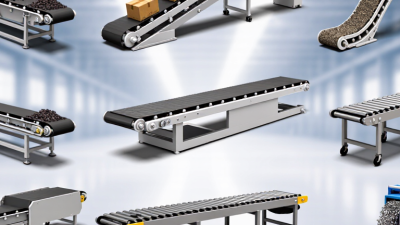
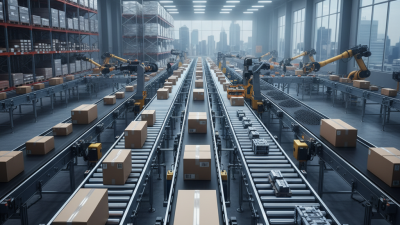
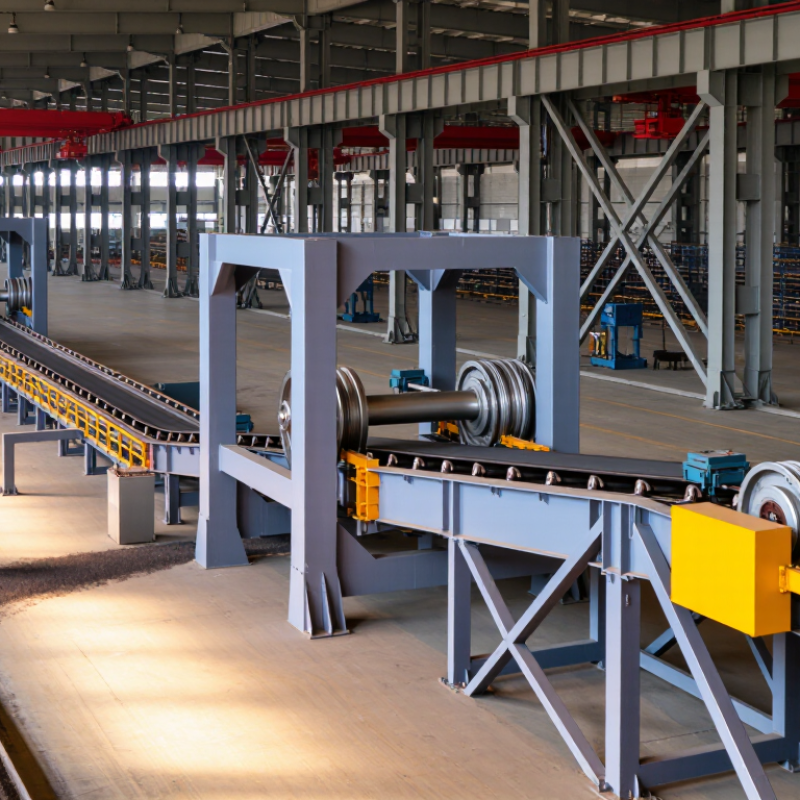
Chinese belt conveyor manufacturers produce more than rubber belts. Their product range commonly includes conveyor frames, rollers, pulleys, drive units, idlers, and loading chutes. Many suppliers also build complete systems for mines, cement plants, ports, and warehouses. A typical installation might carry crushed stone beneath a dusty transfer point, where sealed bearings and belt cleaners help limit wear and material spillage.
Manufacturers can configure belt width, speed, incline, and belt material for each site. Options include heat-resistant belts for hot loads, cleated belts for steep routes, and enclosed conveyors for dusty materials. According to Grand View Research, the global conveyor belt market was valued at USD 5.85 billion in 2023. This figure describes the worldwide market, not China’s production alone, but it reflects broad demand for material-handling equipment.
Production quality depends on practical details: pulley alignment, splice strength, roller spacing, and access for maintenance. Small details matter. A system that looks suitable on a catalogue page may perform poorly if its transfer points do not match the plant layout. Buyers should compare load capacity, belt speed, operating conditions, and test documentation, rather than relying on specifications alone. Yet documentation can still leave questions; site trials and clear maintenance instructions are worth requesting.
How China’s Belt Conveyor Industry Is Structured
China’s belt conveyor industry is a network of specialized businesses, not a single production chain under one roof. Some workshops focus on rollers, pulleys, idlers, belts, or drive assemblies. Others fabricate frames and chutes, then combine purchased components into complete conveyor systems. This division lets buyers source specific equipment, but it can make responsibility less clear when parts come from several suppliers.
A system integrator typically handles layout, load requirements, belt speed, transfer points, and installation coordination. A component manufacturer may know its own product deeply, yet not control how it performs within the full line. Ask who checks alignment, belt tension, guarding, and commissioning. Small details matter: a poorly positioned loading chute can cause spillage, while a misaligned roller may wear the belt unevenly. Basic questions, but useful ones.
Export-oriented suppliers often work through trading companies or project contractors, so the company answering an inquiry may not operate the factory. That distinction deserves checking. Request drawings, material specifications, inspection records, and clear explanations of what is made in-house. Factory visits or independent inspections can help confirm capacity, though a polished workshop is not proof of consistent quality. The industry’s structure is practical, but not perfectly transparent; even careful buyers may need to verify claims more than once.
Top Belt Conveyor Manufacturers in China — How China’s Belt Conveyor Industry Is Structured
Demand context: China’s raw coal production, 2020–2024
China’s belt conveyor industry serves major material-handling sectors including mining, ports, power generation, and cement. Manufacturers typically operate as complete-system suppliers, equipment specialists, or component suppliers. Coal production is shown here as demand context—not as conveyor sales, market share, or manufacturer output.
Source: National Bureau of Statistics of China, annual statistical communiqués. Figures are rounded.
How to Evaluate Leading Belt Conveyor Manufacturers
Top Belt Conveyor Manufacturers in China
How to Evaluate Leading Belt Conveyor Manufacturers
A reliable evaluation starts with the conveyor’s actual job. Share the material type, expected throughput, belt length, incline, and operating hours. Then compare proposals against the same requirements. Vague specifications make quotations difficult to judge.
Ask how the frame, rollers, belt, drive, and safety guards are selected. Request drawings, material details, inspection records, and clear explanations of wear parts. If possible, observe a production test and check belt tracking, noise, and emergency-stop response. Small details matter. A roller that runs unevenly can cause recurring belt drift.
Review installation support, spare-parts availability, and response times for technical questions. Ask for references from projects with similar materials and conditions, not just the largest installations. Export experience may help with packing and documentation, but it does not prove engineering quality. Showrooms prove little. A factory visit can be useful, though it cannot reveal every weakness; sample tests may not match years of real operation. Compare evidence, clarify what is included, and record unanswered questions before committing.
Notable Belt Conveyor Manufacturers in China
China’s belt conveyor sector includes large engineering firms, regional equipment makers, and specialist fabricators. Notable manufacturers often differ less by headline capacity than by their ability to match a conveyor to a real operating environment. A system moving damp aggregate needs suitable belt covers, guarded transfer points, and frames that resist corrosion. Details matter.
Experienced suppliers typically offer more than a standard conveyor drawing. They should clarify belt width, speed, incline, loading rate, and material characteristics before proposing a configuration. Ask how they handle belt tracking, dust control, emergency stops, and replacement parts. A clear answer is more useful than an impressive catalogue. Not always.
Some manufacturers focus on complete conveying lines, while others build individual components or custom structures. Buyers can compare them by reviewing engineering drawings, material specifications, inspection records, and commissioning support. Factory visits or live video inspections may help verify workmanship, especially at welds, rollers, and drive assemblies. Still, a polished presentation cannot prove long-term reliability.
A practical request for quotation should include the operating hours, site conditions, and maintenance limits. It should also define acceptance checks, such as alignment and unloaded test runs. Even careful buyers can overlook access for belt replacement; that small omission can complicate routine service later.
How to Choose a Belt Conveyor Supplier in China
Top Belt Conveyor Manufacturers in China
How to Choose a Belt Conveyor Supplier in China
Choosing a belt conveyor supplier in China starts with the operating conditions, not the catalogue. Share your material type, throughput, belt speed, incline, and hours of daily operation. A system moving damp gravel needs different belt covers and cleaning equipment than one carrying boxed goods. Ask for a written design basis, component specifications, and a load calculation. Small details matter.
Tips: Request drawings and a bill of materials before approving a quotation. Ask how the supplier verifies belt tension, tracking, and emergency-stop function during factory testing. The U.S. Department of Energy’s 2014 report, Improving Motor and Drive System Performance, estimates that motor-driven systems use about 68% of electricity in U.S. manufacturing. That figure covers more than conveyors, but it makes motor efficiency and controls worth checking.
Compare suppliers using measurable evidence: test records, relevant project references, warranty terms, spare-part availability, and response times. Confirm whether quoted capacity is continuous or peak capacity, and clarify what installation support includes. If a claim sounds unusually broad, ask for the calculation behind it. I would still treat a polished brochure cautiously; supplier documents can leave real operating limits unclear. A clear contract should specify acceptance criteria, delivery scope, and who handles commissioning.