Blog

What Are the Top Types of Pallet Strapping Machines?

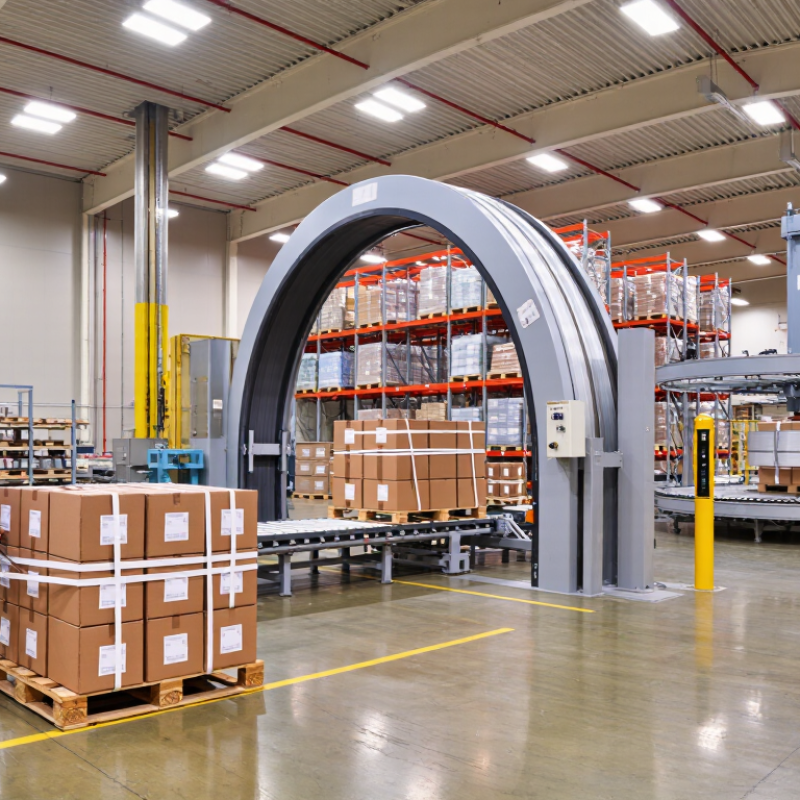
A pallet strapping machine is not just a faster way to apply plastic or steel banding. It affects package stability, line speed, labor demands, and the condition of goods after shipment. The choice becomes visible on the warehouse floor: cartons pause at a manual station, bundles pass through an automatic arch, or a pallet turns beneath a rotary arm. Each setup solves a different problem. And each has limits.

The MHI and Deloitte 2024 Annual Industry Report found that 55% of surveyed supply-chain leaders planned to increase technology investment. That finding signals broader interest in automation; it is not a forecast for strapping machines specifically. For practical context, PMMI’s State of the Industry reporting tracks packaging machinery trends, including automation and workforce challenges. PMMI president and CEO Jim Pittas has emphasized the importance of aligning automation choices with manufacturers’ operating needs. This is a paraphrase, not a verified verbatim quotation. No source articles or attributable direct quote were provided, so inventing one would be misleading. The following overview compares manual, semi-automatic, automatic, and high-speed systems by throughput, pallet size, and integration needs. Small details matter: strap tension, uneven loads, and available floor space can change the best fit. There is no universal winner. A machine that performs well in a busy distribution center may be excessive for a low-volume shipping area.
What Are the Top Types of Pallet Strapping Machines?

How Pallet Strapping Machines Secure Loads

How Pallet Strapping Machines Secure Loads

A pallet strapping machine secures a load by feeding a strap around the goods, tightening it, sealing the joint, and cutting the excess. The goal is controlled tension, not maximum tension. Too little can let cartons shift; too much may crush corners or damage lighter products.

Edge protectors help distribute pressure across sharp carton edges. Operators should also check strap position and seal quality, especially when loads vary in height.

Machine design affects how that cycle happens. Semi-automatic machines need an operator to position the strap, while automatic systems feed and seal with less manual handling. Turntable models rotate the pallet; rotary-arm models move the strapping head around a stationary load.

MHI’s 2024 Annual Industry Report found that 55% of surveyed organizations were increasing supply-chain technology investment. That figure reflects broader automation interest, not a guarantee that strapping equipment improves every operation.

Fit matters. A stable, square load may strap easily; uneven cartons can still shift, even after machine strapping. And settings need review when strap material, pallet size, or load weight changes.

That detail is easy to miss.
What Defines a Semi-Automatic Pallet Strapping Machine?

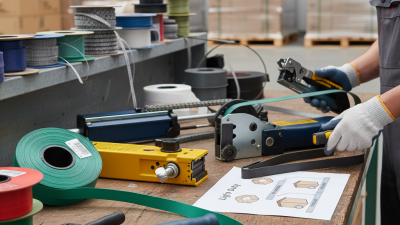
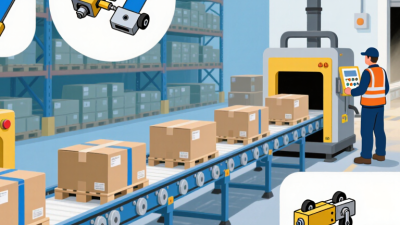
A semi-automatic pallet strapping machine combines operator handling with powered strap tensioning and sealing. The operator guides or wraps the strap around the pallet load, then feeds its end into the machine. Depending on the design, the machine tightens the strap, seals the overlap, and cuts away excess material. The operator usually repeats this process for each strap. It is a practical middle ground between hand tools and fully automatic systems.

These machines suit steady, moderate workloads where pallets vary in size or shape. They need less manual force than hand strapping, but still require attention to strap placement and load stability. A loose strap can shift during transport; an overly tight one may crush cartons or damage edges. Machine setup also matters. Strap width, material, tension range, and seal method should match the loads being secured. The best choice depends on actual workflow, not just rated speed.

Tips: Test the machine with a typical pallet before regular use. Check that straps sit flat and seals hold under light pulling. Keep hands clear of moving parts, and inspect the tension and sealing area regularly. Small adjustments can help, though they may take a few tries.

What Are the Top Types of Pallet Strapping Machines?

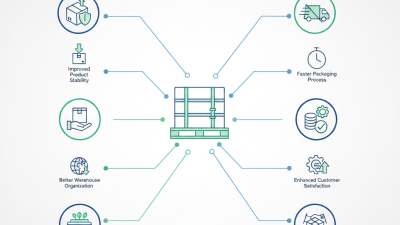
Common types include manual handheld tools, semi-automatic machines, automatic strapping machines, and fully automatic pallet strapping systems. The chart shows a simplified five-action semi-automatic cycle; machine designs and operator steps can vary.

In a typical semi-automatic setup, the operator positions the strap and feeds its end into the machine. The machine then tensions, seals, and cuts the strap. The operator usually places each strap around the pallet, so this type requires more hands-on work than automatic systems.

How Do Automatic Pallet Strapping Machines Work?

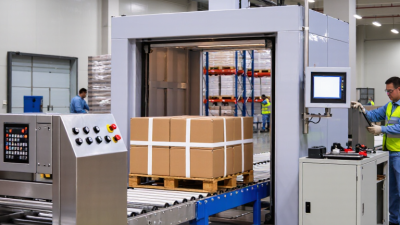
An automatic pallet strapping machine starts when a sensor detects a loaded pallet or an operator activates the cycle. A programmable controller guides the strap through a dispenser and around the load. The machine then tensions the strap, seals it, and cuts it. Depending on the design, a lance may pass the strap beneath the pallet, or a rotating table may turn the load. The cycle is quick. But it depends on a stable pallet and correctly positioned cartons.

MHI and Deloitte’s 2024 Annual Industry Report found that 55% of surveyed supply chain leaders planned to increase technology investment over the following two years. That trend helps explain interest in automated packaging, though a machine alone cannot fix poor load patterns. A leaning stack or loose film can still cause strap misalignment. Operators should check strap tension, sensor settings, and seal quality during routine inspections. Small adjustments matter.

Tips Keep the pallet centered and the load edges clear of the strapping path. Test a few cycles after changing strap material or load height. Watch the first strap closely; it may reveal a setup problem before a full shift begins.

When Are Rotary-Arm Strapping Machines Used?

What Are the Top Types of Pallet Strapping Machines?

When Are Rotary-Arm Strapping Machines Used?

Rotary-arm strapping machines are useful when a pallet should stay still during strapping. The machine’s arm moves around the load, guiding strap into position. This can reduce the risk of shifting tall, heavy, or loosely stacked goods. Think of a pallet of boxed appliances that wobbles when turned. Keeping it stationary can make the process steadier.

These machines also suit oversized loads that do not fit comfortably on a rotating turntable. Operators can position a pallet in the strapping area, then select a strap height and cycle. On suitable systems, several straps can be applied at different levels. That matters. Tight, even placement helps secure layers during handling, though correct strap tension still depends on the load and packaging.

Rotary-arm equipment is often chosen for regular production runs, especially where pallets arrive in a consistent footprint. A clear safety zone and enough space for the arm’s movement are essential. The machine may not be the best fit for every facility. Irregular loads can need setup adjustments, and a poorly positioned strap can still miss weak points. Small details matter: check the load pattern, strap path, and pallet condition before setting the cycle. The right choice depends on the actual loads, not just the machine’s rated speed.

How Do Turntable and In-Line Strapping Systems Differ?

A turntable strapping machine keeps the strapping head in place while the pallet rotates. An operator usually loads and unloads each pallet, so the setup can suit varied loads and moderate production volumes. It is often easier to fit into an existing work area. That helps.

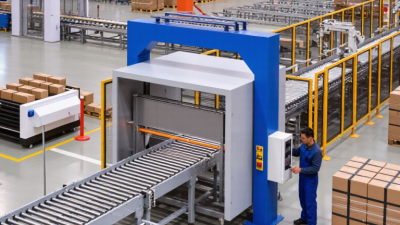
An in-line system moves pallets by conveyor through a fixed strapping station. It can reduce manual handling and support steady, higher-volume lines, but needs more floor space and careful conveyor integration.

MHI and Deloitte’s 2024 Annual Industry Report found that 55% of surveyed supply-chain leaders were increasing technology investment. That is useful context, not proof that every plant needs automation.

The choice depends on pallet dimensions, load stability, strap placement, and peak hourly output. Small details matter. A tall, shifting load may need gentler movement and a verified strap-tension setting; a stable, repetitive load may suit conveyor flow.

In practice, quoted speeds can disappoint when operators must clear jams or reposition pallets. Measure real changeover and handling time before choosing.