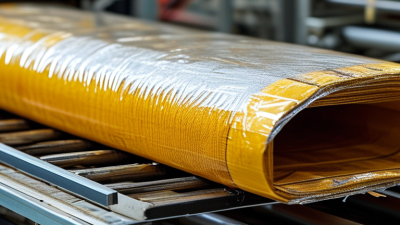
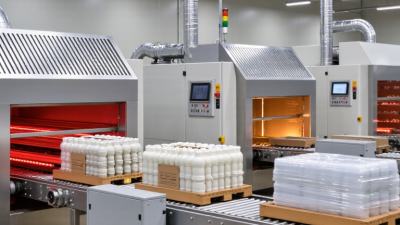
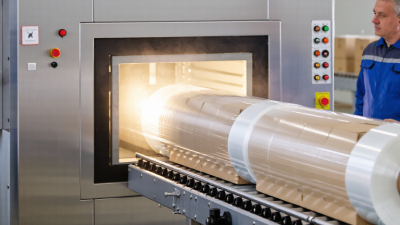
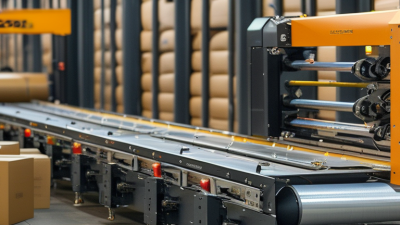
Choosing the right heat shrink tunnel in 2026 requires more than comparing heating power and conveyor speed. It demands a practical review of product shape, film type, line balance, energy use, and operator safety. A tunnel that performs well on cartons may wrinkle thin polyethylene film around irregular bottles.
Recent industry reports support this broader view. PMMI’s 2024 Packaging Workforce and Automation reports identify labor availability, automation, and operational reliability as continuing priorities for manufacturers. Smithers’ The Future of Shrink Films to 2028 also points to ongoing demand for efficient, recyclable, and performance-focused packaging materials. These trends make tunnel compatibility increasingly important. Small details matter. A poorly adjusted airflow pattern can leave loose corners, cloudy film, or overheated labels.
Tom Egan, PMMI’s Vice President of Industry Services, has emphasized, “Automation is a key enabler of packaging productivity.” That principle applies directly to tunnel selection, but productivity should not be measured by speed alone. Stable temperature control, accessible maintenance points, insulation quality, and real-world energy consumption deserve equal attention. Faster is not always better.
This guide examines the buying decisions that are easiest to overlook. It compares electric, gas, and hybrid heating systems, while considering conveyor design, chamber dimensions, controls, and after-sales support. It also questions a common assumption: the largest tunnel is rarely the safest investment. Actual film behavior, production volume, and future line changes should shape the decision. Some specifications look impressive on paper. They may disappoint beside a warm machine, a noisy fan, and a rejected pallet.
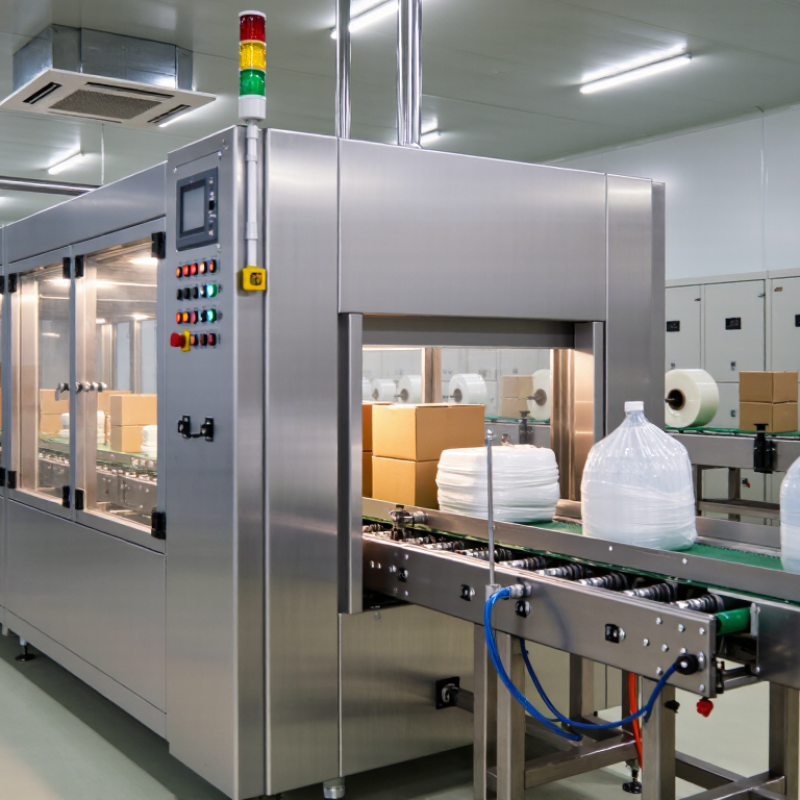
A heat shrink tunnel is an insulated chamber that applies controlled heat to shrink film around a product. The process begins after a sealing machine creates a loose film sleeve. Conveyors then move the package through heated air. As the film reaches its activation temperature, it contracts and follows the product’s shape. Cooling helps the film stabilize and improves appearance.
Tunnel performance depends on heat balance, not temperature alone. Conveyor speed, airflow, film type, package spacing, and load size all matter. In practical trials, a package may look sealed but still have weak corners or trapped air. That assumption is often wrong. Operators should measure film shrinkage, seal strength, surface temperature, and energy use during commissioning. PMMI’s 2024 State of the Industry report valued U.S. packaging machinery shipments at approximately 11 billion dollars, reflecting continued investment in automated packaging and labor-saving equipment. Automation, however, cannot correct poor film selection.
The International Energy Agency reports that industry remains a major global electricity consumer, making tunnel insulation and heat recovery important purchasing factors. A tunnel with adjustable zones can reduce overheating during lighter production runs. Buyers should compare usable chamber length, airflow control, warm-up time, and power consumption per package. Smithers packaging research also identifies sustainability and material efficiency as major industry pressures. Thinner films may require more careful temperature control. I would not choose equipment from speed claims alone; a live test with the actual film, product dimensions, and daily workload reveals far more.
| Buying Guide Dimension | Key Data or Specification | How It Affects Performance | Recommended Selection Guidance |
|---|---|---|---|
| What Is a Heat Shrink Tunnel? | A heated enclosure that applies controlled hot air or steam to shrink film around a product or multipack. | Creates a tighter, neater package after the film has been loosely wrapped or sealed around the product. | Choose a tunnel according to film type, product dimensions, required throughput, and available utilities. |
| How It Works | The conveyor transports the film-wrapped product through a heated chamber. Hot air or steam softens the film, and controlled heat causes it to contract. | Uniform airflow, dwell time, and temperature determine seal quality, clarity, tightness, and product protection. | Prioritize adjustable airflow, temperature control, conveyor speed, and sufficient chamber clearance. |
| Common Heating Method | Electric hot air is widely used for general-purpose packaging. Steam is used for selected films and high-volume applications. | Electric systems are typically easier to install and control. Steam systems require a suitable steam supply and water-management arrangements. | Select electric heating when flexibility and simpler installation are important; consider steam only when the process and film are designed for it. |
| Typical Operating Temperature | Approximately 120–220°C for many electric hot-air tunnels, depending on film, product, speed, and tunnel design. | Higher temperature is not always better; excessive heat can damage film, labels, or heat-sensitive products. | Choose a model with independent temperature adjustment and verify the recommended processing range of the shrink film. |
| Conveyor Speed | Common adjustable ranges are approximately 3–20 m/min, although the usable range varies by tunnel size and application. | Slower speeds increase heat exposure; faster speeds improve output but may require higher airflow or temperature. | Select speed control rather than a fixed-speed unit when product sizes or film types will change. |
| Tunnel Opening and Chamber Size | Small and medium tunnels commonly provide openings roughly 200–600 mm wide and 100–400 mm high. | The product and film must pass through without touching the chamber walls or restricting airflow. | Measure the maximum packaged length, width, height, and required clearance before purchase. Allow extra space for uneven or grouped products. |
| Electrical Power | Many electric units fall within approximately 6–40 kW, depending on chamber size, insulation, conveyor speed, and production rate. | Higher installed power can support faster heat recovery, but it may require higher-capacity electrical infrastructure. | Confirm voltage, phase, frequency, circuit capacity, plug or connection requirements, and estimated energy consumption. |
| Compatible Film Types | Common options include polyolefin, polyethylene, PVC, and specialty shrink films. Each has different shrink temperatures and shrink ratios. | Film selection affects appearance, puncture resistance, sealing behavior, packaging strength, and required heat exposure. | Test the actual film before production and follow the film supplier’s recommended temperature and dwell-time range. |
| Typical Applications | Bundled consumer goods, cartons, printed materials, household products, hardware, food multipacks, and industrial components. | The tunnel can improve package stability, dust protection, tamper visibility, and presentation. | For direct food contact or heat-sensitive products, confirm film suitability, hygienic design, and process temperature limits. |
| Throughput Planning | Actual output depends on product dimensions, loading pattern, dwell time, operator handling, and conveyor spacing—not conveyor speed alone. | Overloading the tunnel can cause uneven shrinkage, film wrinkles, weak seals, and reduced line efficiency. | Calculate required packs per minute and validate the result using representative products and packaging materials. |
| Airflow Control | Adjustable fan speed, directional air outlets, and balanced circulation are common control features. | Even airflow helps reduce loose corners, trapped air, film distortion, and inconsistent shrinkage. | Choose independent airflow adjustment when packaging has irregular shapes or different film thicknesses. |
| Conveyor Selection | Options may include coated mesh, stainless-steel mesh, rollers, or solid belts, depending on product weight and surface. | The conveyor affects product stability, heat circulation, cleaning requirements, and maximum load. | Use a stable, heat-resistant conveyor and verify load capacity, belt width, incline limits, and maintenance access. |
| Temperature and Speed Controls | Digital temperature control and variable-speed conveyor control are standard features for flexible operation. | Precise controls make it easier to repeat successful settings and reduce product damage during changeovers. | Prefer readable controls, alarm functions, stored settings, emergency stop buttons, and simple changeover procedures. |
| Insulation and Energy Efficiency | Insulated panels, automatic standby modes, efficient fans, and insulated tunnel entrances can reduce heat loss. | Better heat retention can improve temperature stability and lower energy use during continuous operation. | Compare rated power with expected operating hours and request energy-use information under realistic production conditions. |
| Safety Features | Important features include emergency stops, guarded hot surfaces, over-temperature protection, thermal insulation, and safe access panels. | These features help reduce burn, electrical, mechanical, and overheating risks during operation and maintenance. | Verify conformity with applicable local machinery, electrical, workplace-safety, and fire-safety requirements. |
| Installation Requirements | Allow space for product entry and exit, ventilation, electrical connections, cleaning, inspection, and service access. | Poor installation space can restrict airflow, increase heat exposure, complicate maintenance, and create workplace hazards. | Prepare a layout drawing and confirm floor loading, ventilation, power supply, ambient conditions, and line integration points. |
| Maintenance Needs | Routine tasks include cleaning film residue, checking fans and heating elements, inspecting belts, tightening connections, and verifying temperature sensors. | Regular maintenance supports stable shrink quality, reduces unplanned downtime, and extends component life. | Choose accessible panels, replaceable wear parts, clear maintenance instructions, and readily available technical support. |
| Best Overall Purchase Strategy | A suitable tunnel is one that consistently achieves the required shrink quality at the target throughput without overheating the product or exceeding site limitations. | The lowest purchase price may result in higher energy use, more changeover time, lower reliability, or insufficient capacity. | Compare total cost of ownership: purchase price, installation, energy, labor, maintenance, film waste, safety, and expected service life. |