Choosing a reliable China supplier for an automatic shrink wrap machine requires more than comparing online prices. Packaging businesses should examine machine structure, production experience, testing records, and service capability. A dependable supplier can explain film compatibility, sealing temperature, conveyor speed, and expected maintenance needs in clear language.
Look for manufacturers with practical factory experience and documented quality procedures. Ask to see running equipment, not only polished product photographs. During a live test, observe sealing lines, film tension, temperature stability, and package movement. These details reveal performance better than a catalogue specification. Suppliers should also provide installation guidance, operating manuals, spare parts, and responsive technical support. Export experience matters, but it should be verified through references and consistent documentation.
Cost still matters. However, the lowest quotation may hide weaker components, limited training, or expensive downtime. A careful buyer should compare total ownership costs, including electricity use, replacement parts, shipping, and service response. Safety guards and emergency-stop systems deserve close attention. They protect operators and support responsible workplace practices.
No supplier is perfect. Even experienced manufacturers may offer different strengths. Some provide strong customization but slower delivery. Others deliver quickly but offer fewer configuration choices. This is where careful questioning becomes valuable. Request a sample test with your actual products and film. Review the results with production staff. A practical decision, supported by evidence, is usually safer than a rushed purchase based on attractive claims.
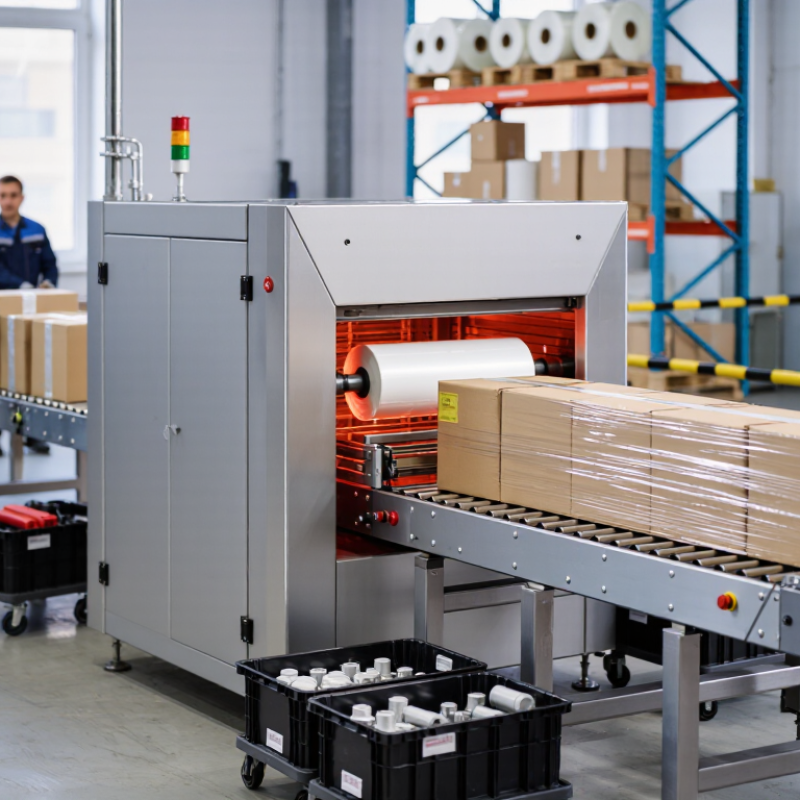
An automatic shrink wrap machine is a packaging system that covers products with heat-shrinkable film. It can feed products, form film, seal edges, and apply controlled heat with limited manual handling. Conveyor belts move each item through the process. A sealing bar closes the film, while a shrink tunnel tightens it around the product. The result is a neat, protective package with a clear surface.
Modern machines often include sensors, adjustable conveyors, temperature controls, and emergency stop systems. These features help maintain stable output during long production runs. In packaging trials, operators should check film thickness, sealing strength, and tunnel temperature. A package may look attractive but still open at the corner. Small adjustments matter. Product size also affects machine selection. Irregular shapes may need slower feeding or customized guides.
When evaluating automatic shrink wrap machine suppliers in China, buyers should request test videos, electrical specifications, maintenance details, and sample packaging results. Reliable suppliers explain installation requirements instead of promising unrealistic speed. Ask about replacement heating elements, sealing blades, and technical support. Film waste is another practical concern. Poor alignment can create extra scraps and uneven seals. The machine is not a magic box. Regular cleaning, calibration, and operator training still influence performance. The best choice should fit the product, packaging material, factory space, and expected daily workload.
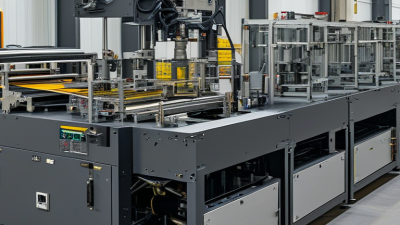
Automatic shrink wrapping systems use heat and controlled airflow to create a tight film package. Products enter on a conveyor and pass through a measured film curtain. A sealing jaw closes the film around the load. Timing matters. If the seal is late, edges may remain open.
The wrapped product then moves through a heated tunnel. Fans circulate warm air around the film, causing it to shrink evenly. Temperature, conveyor speed, and airflow must match the product size. For example, a small carton may need a faster tunnel setting than a large bundled case. Sensors detect product gaps and help prevent empty cycles. Operators still need to check film alignment and sealing pressure.
Reliable systems include guarded heating zones, emergency stops, and accessible maintenance points. A clean sealing blade usually produces a clearer, stronger seam. Dust, uneven film tension, or excessive heat can damage the package.
The process seems simple, but small adjustments often affect daily output. A neat package is not always a secure package.
Suppliers should provide test runs, operating data, spare-part guidance, and practical training. It is also worth reviewing noise levels, power consumption, and changeover time before choosing equipment. Some early assumptions may be wrong. Real products should be tested under real line conditions.
China’s automatic shrink wrap machine suppliers commonly offer several machine types. L-bar sealers suit cartons, trays, and single retail packs. Side-seal systems handle continuous products with fewer manual adjustments. Sleeve wrappers fit multipacks, bottles, and cans. PE film bundling machines are stronger for heavy cases and transport packaging. Integrated shrink tunnels then apply controlled heat around the sealed film.
Fortune Business Insights valued the global shrink packaging market at USD 9.79 billion in 2023. It projects the market to reach USD 13.19 billion by 2032. This growth supports demand for faster, more consistent automation. However, machine selection should follow product geometry, film type, and required output. A supplier quoting 40 packs per minute may test ideal products only. Real production can be slower.
Check sealing width, tunnel temperature zones, conveyor loading, and film waste. Request factory acceptance testing with your actual cartons. Watch the seal line closely. Cold spots often reveal poor airflow or weak insulation. PMMI industry reports repeatedly identify labor shortages as a major reason for packaging automation. Yet automation is not maintenance-free. My own evaluation remains imperfect when suppliers provide only sample videos. Ask for energy data, spare-part lead times, electrical documentation, and cleaning access. These details separate a suitable Chinese machine from an attractive quotation.
China Top Automatic Shrink Wrap Machine Suppliers?
How to Evaluate China’s Top Machine Suppliers
Evaluating China’s top automatic shrink wrap machine suppliers requires more than comparing online prices. Start with the supplier’s technical records, factory capability, and export experience. Request videos of machines wrapping products similar to yours. Check film width, package dimensions, sealing temperature, power requirements, and tested production speed. A fast empty machine proves little.
Ask for a clear quotation with every component listed. The document should identify the control system, heating parts, conveyor materials, spare parts, warranty coverage, and installation support. Reliable suppliers explain tolerances instead of hiding them. Request sample packaging tests using your actual products and film. Measure seal strength, film consumption, package appearance, and cycle time. Small details matter.
Visit the factory when possible, or arrange an independent inspection. Review assembly areas, quality checks, wiring standards, and final testing records. Speak with recent customers, but do not rely only on selected references. Check whether manuals are practical and whether engineers respond clearly to technical questions. After-sales service often determines real operating cost. Confirm response times, remote troubleshooting, spare-part availability, and operator training.
Price is only one factor. A cheaper machine may require frequent adjustments or costly imported parts. A polished showroom is not proof. I would also record unanswered questions during evaluation; overlooked details can become expensive lessons. Measure twice. Judge performance from evidence, not promises.
| Evaluation Dimension | Weight | Recommended Benchmark | What to Verify | Practical Evaluation Method | Suggested Score |
|---|---|---|---|---|---|
| Machine Configuration | 15% | Fully automatic film feeding, sealing, shrinking, and product discharge. | Confirm whether the machine includes an automatic film-perforating or film-feeding system, sealing cutter, shrink tunnel, conveyor, and discharge section. | Request a complete configuration list and compare the actual quotation with the demonstration machine. | 1–5 points |
| Production Capacity | 15% | Typically 15–40 packs/min for many general-purpose automatic systems, depending on product size and film. | Check rated speed, product dimensions, pack spacing, film type, and whether the stated output is continuous or intermittent. | Run a sample test using the buyer’s actual product and record completed packs during a sustained production cycle. | 1–5 points |
| Product Size Flexibility | 10% | A practical machine should cover the buyer’s minimum and maximum product dimensions without frequent manual adjustment. | Verify maximum product width, height, length, package weight, conveyor width, and changeover procedure. | Test at least three product sizes, including the smallest and largest planned formats. | 1–5 points |
| Film Compatibility | 10% | Compatibility with commonly used PE, POF, or PVC shrink films should match the intended packaging application. | Confirm supported film width, film thickness, roll diameter, core size, sealing temperature range, and recommended film type. | Use the buyer’s intended film and inspect seal strength, shrink uniformity, wrinkles, and film waste. | 1–5 points |
| Sealing and Shrinking Quality | 15% | Continuous seals should be clean and closed, with consistent shrinkage and no unacceptable burning, tearing, or open corners. | Review sealing temperature control, cutter design, tunnel airflow, tunnel temperature control, and conveyor stability. | Inspect a statistically meaningful sample from a production trial and measure defective packages and film consumption. | 1–5 points |
| Electrical Safety and Compliance | 10% | Electrical components and machine documentation should comply with the destination market’s applicable requirements. | Check voltage, frequency, emergency stops, guarding, electrical drawings, risk assessment, declaration documents, and applicable certification evidence. | Ask for component datasheets and have the documents reviewed by the importer or an independent compliance specialist. | 1–5 points |
| Energy and Operating Cost | 10% | Compare installed power, actual power consumption, film waste, heating-up time, and routine maintenance requirements. | Request rated power and measured consumption during warm-up and stable operation; identify replaceable heating and sealing parts. | Calculate estimated cost per 1,000 packs using the supplier’s trial data and local electricity and film prices. | 1–5 points |
| Build Quality and Maintainability | 10% | The machine should provide accessible maintenance points, stable conveyors, protected wiring, and readily replaceable wear parts. | Inspect frame rigidity, guarding, wiring layout, bearings, belts, heaters, cutter assembly, and spare-parts list. | Conduct a factory acceptance inspection and request maintenance intervals and recommended spare-parts inventory. | 1–5 points |
| Supplier Verification | 10% | The supplier should demonstrate relevant manufacturing capability, traceable quality control, and experience with similar applications. | Verify legal company information, production location, quality procedures, inspection records, export documentation, and relevant reference projects without relying only on online listings. | Use a live video audit or third-party factory inspection and match the inspected facility with the contracting entity. | 1–5 points |
| After-Sales Support | 5% | Clear installation, training, troubleshooting, warranty, and spare-parts support should be defined before payment. | Confirm warranty duration, response time, remote support channels, manuals, software access, installation scope, and spare-parts availability. | Request a written service-level commitment and test the supplier’s technical response before placing the order. | 1–5 points |
Buying an automatic shrink wrap machine requires more than comparing speed and price. PMMI’s 2024 packaging machinery outlook identifies labor shortages and automation needs as major purchasing pressures. However, quoted output can mislead. Request a live test using your actual product, film, carton dimensions, and line speed. Measure sealed packs per minute, film waste, temperature stability, and unplanned stops. Ask for written tolerances, not attractive demonstrations.
Quality depends on controlled details. Check the sealing bar, conveyor structure, sensors, electrical components, and software access. The machine should handle your film thickness without burnt edges or loose corners. Smithers’ market research on shrink films highlights continuing demand for efficient, lightweight packaging materials. That makes film compatibility important. A machine that saves labor but wastes film may not reduce total cost. Small details matter.
After-sales support often separates a useful supplier from a risky purchase. Confirm spare-parts availability, remote diagnostics, technician response times, installation training, and warranty exclusions. Request a factory acceptance test with documented results. Also ask for maintenance intervals and a recommended two-year parts list. It is easy to overlook operator training. That is a mistake. A clear service agreement is stronger than verbal promises. Still, no checklist is perfect; plant dust, voltage variation, and operator habits can change performance after installation. Budget for a supervised trial after delivery.