What Is a Shrink Wrapper and How Does It Work?
A shrink wrapper is more than a machine that makes products look neat. It combines heat, film, timing, and controlled movement to create a close-fitting package around an item. This article explains what a shrink wrapper is, how its main components work, and why businesses choose this method for protection and presentation.
Walter Soroka, a respected packaging educator and author of Fundamentals of Packaging Technology, describes packaging as “the science, art, and technology of enclosing and protecting products for distribution, storage, sale, and use.” That definition helps explain shrink wrapping clearly. The film may protect a box from dust, reduce surface scuffing, or hold several products together. It can also improve shelf appearance. But it is not magic. The result depends on suitable film, accurate sealing, and steady heat.
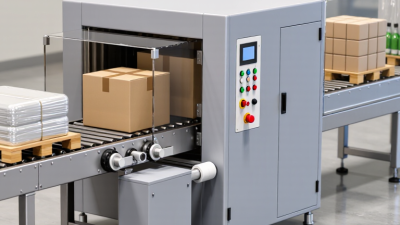
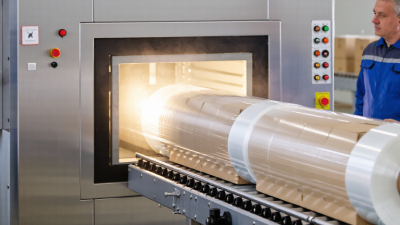
During operation, an operator places film around the product. A sealing bar closes one or more edges. Then a heat tunnel or chamber warms the film until it contracts around the product. The final package should look smooth, secure, and properly aligned. Sometimes, it does not. Wrinkles, weak seals, trapped air, or excessive heat can appear when settings are wrong. Product shape matters, too. Sharp corners may puncture the film, while uneven items can shrink poorly.
This guide will examine equipment types, working steps, film choices, benefits, limitations, and practical operating details. It will also consider where a shrink wrapper performs well and where another packaging method may be more sensible.
What Is a Shrink Wrapper?
A shrink wrapper is a packaging machine that covers products with heat-sensitive plastic film. It is common in warehouses, food production, retail packing, and small workshops. The machine can seal individual items, bundles, trays, or cartons. Unlike ordinary wrapping equipment, it uses controlled heat to make the film contract tightly around the load. This creates a cleaner package with better surface protection and easier handling.
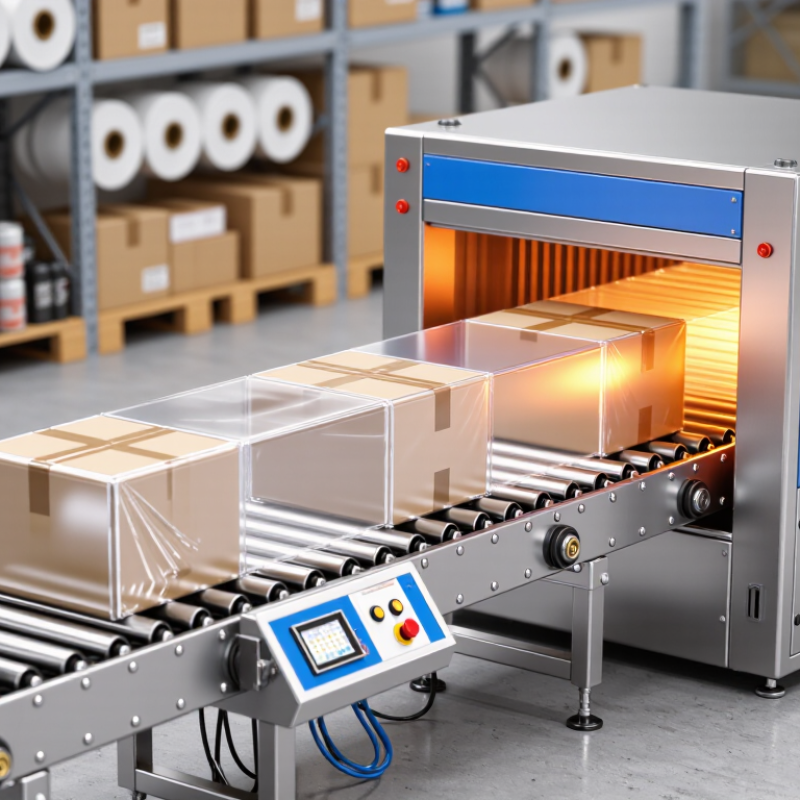
The process is fairly direct. An operator places the product inside folded film or feeds it through a sealing unit. A heated wire closes the film and cuts away excess material. The partly wrapped item then enters a heat tunnel or passes under a heat source. Warm air tightens the film around corners, edges, and uneven surfaces. Temperature, conveyor speed, and film thickness must match the product. Too much heat can distort packaging or weaken seals. Too little heat leaves wrinkles and loose sections.
Good results depend on setup, not only machine power. Operators should inspect seals, film tension, and package stability during production. A strong-looking wrap can still hide a poor seal. Small errors matter. Clear film makes damage visible, but it does not replace careful quality checks. In practical trials, slower settings often improve consistency for irregular products, although they reduce output. That trade-off deserves review before choosing a shrink wrapper.
How Does the Shrink-Wrapping Process Work?
Shrink wrapping begins with a product, plastic film, and a controlled sealing system. The film is cut around the item and sealed along one or more edges. Operators choose film thickness according to the product’s shape, weight, and handling conditions. A sharp corner may need extra protection. Otherwise, the film can split.
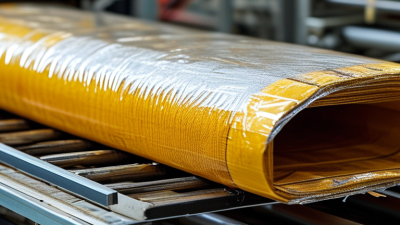
The product then enters a heat tunnel or passes under a controlled hot-air system. Heat softens the film and activates its memory, causing it to contract around the product. The seal must be complete. Proper airflow matters because uneven heat creates loose areas, wrinkles, or weak seams. Too much heat can distort the package or damage sensitive contents. Too little heat leaves the film cloudy and slack. This is where practical experience helps. Operators adjust conveyor speed and heat settings by observing the film, not the display alone. The display can be misleading.
After cooling, each package should be checked for tightness, clean seals, and trapped air. A small vent hole may be intentional, especially when air must escape during shrinking. Moisture and dust still require attention. Although the process appears simple, it is not perfectly forgiving. I have seen attractive packages fail because a seal was rushed or a film edge folded inward. That lesson is easy to overlook. Reliable results often come from small adjustments, repeated testing, and honest inspection of imperfect packages.
What Are the Main Types of Shrink Wrappers?
A shrink wrapper encloses products in heat-sensitive plastic film, then uses controlled heat to tighten the material around them. The machine may feed, seal, cut, and shrink the film in separate stages. Temperature, dwell time, and airflow must match the film and product. Too much heat can distort packaging or damage sensitive items.
The main types differ by sealing method and automation level. A manual or semi-automatic L-bar wrapper suits small production runs. An operator places the product, pulls the film, and closes the sealing bar. It is flexible, but output depends on operator consistency.
A continuous side-seal wrapper uses a moving sealing blade and film roll. It handles longer products and higher volumes with fewer interruptions.
A chamber shrink wrapper places the product inside a heated chamber after sealing. The enclosed space usually provides even heat distribution and a neat finish. It works well for irregular batches, although loading each item can slow production.
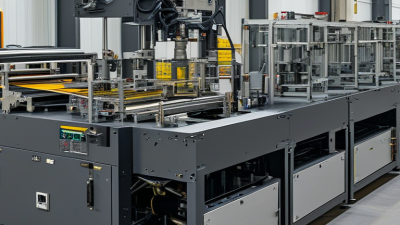
Automatic tunnel systems connect sealing with a heated conveyor. Products move steadily through the tunnel, making them suitable for repetitive packaging lines.
Film-wrapping quality still depends on preparation. Dust, sharp corners, and uneven spacing can create holes or loose edges. A rough estimate of speed can mislead when product sizes change often. In practice, the best machine is not always the fastest one. It should match product dimensions, labor skills, film thickness, and required finish. Calibration also deserves attention. Small adjustments can prevent large amounts of waste.
Where Are Shrink Wrappers Used?
What Is a Shrink Wrapper and How Does It Work?
Shrink wrappers are used to cover products with tight plastic film. A machine places the film around an item or product bundle. A sealing bar closes the film at the edges. Then, controlled heat makes the material contract around the package. As the film cools, it forms a firm, transparent layer. In practice, operators adjust temperature, conveyor speed, and film tension for each product. This matters greatly. Too much heat can distort labels or damage delicate packaging. Too little heat leaves loose folds and weak seals.
Food processors use shrink wrappers for multipacks, trays, and boxed goods. Beverage facilities often combine bottles or cans under one protective film. Retail warehouses use them for promotional bundles and small product sets. Manufacturers of cosmetics and household supplies also use shrink wrapping to reduce handling damage. Medical supply facilities may wrap sealed packages for added cleanliness and visibility. However, shrink film does not replace proper sterile packaging. That assumption deserves review. A box with sharp corners may puncture the film during transport. Staff should inspect finished packs for holes, wrinkles, and incomplete seals. Clear film improves product visibility, while printed film can support identification. Operators also need suitable ventilation around heating equipment. The best application depends on product shape, shipping conditions, and required protection.