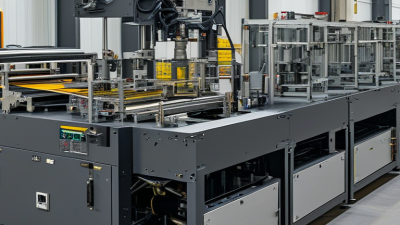
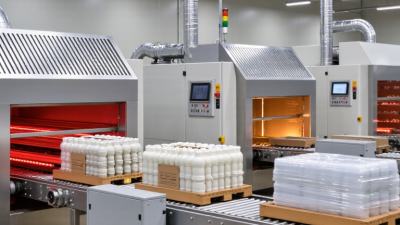
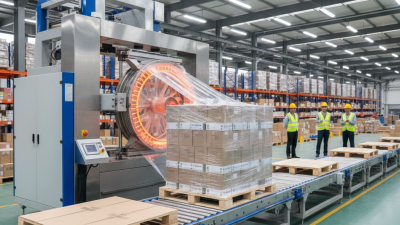
When products need a clean, secure outer layer, packaging teams often consider a shrink tunnel machine. This equipment uses controlled heat to tighten shrink film around cartons, trays, bottles, and bundled goods. The process can create a smooth, tamper-evident appearance while improving handling during storage and transport. The result is visible. Film gathers tightly around corners, labels remain readable, and loose packaging becomes less likely to snag. Yet appearance is only one reason businesses invest in this technology.
A well-selected tunnel can support faster production, consistent sealing, and more predictable packaging quality. Operators can adjust temperature, conveyor speed, and airflow for different films and product shapes. Those settings matter. Excessive heat may distort printed film or damage sensitive contents, while insufficient heat leaves wrinkles and weak tension. In practical use, teams should test several samples before full production. Record the settings, inspect seals, and check packages after cooling. This simple routine often reveals problems that a sales brochure cannot.
The strongest business case depends on volume, labor costs, film consumption, and available floor space. A shrink tunnel machine may reduce manual wrapping, but it is not a magic fix. Poor film selection, uneven loading, or rushed maintenance can reduce its value. Even experienced operators need training and periodic checks. Trusted manufacturers should provide clear specifications, safety guidance, spare-parts support, and realistic performance data. Buyers should also compare energy use and maintenance access, not only purchase price. This guide examines where tunnel shrinking works well, where it struggles, and how to judge whether the investment fits a reliable packaging operation.
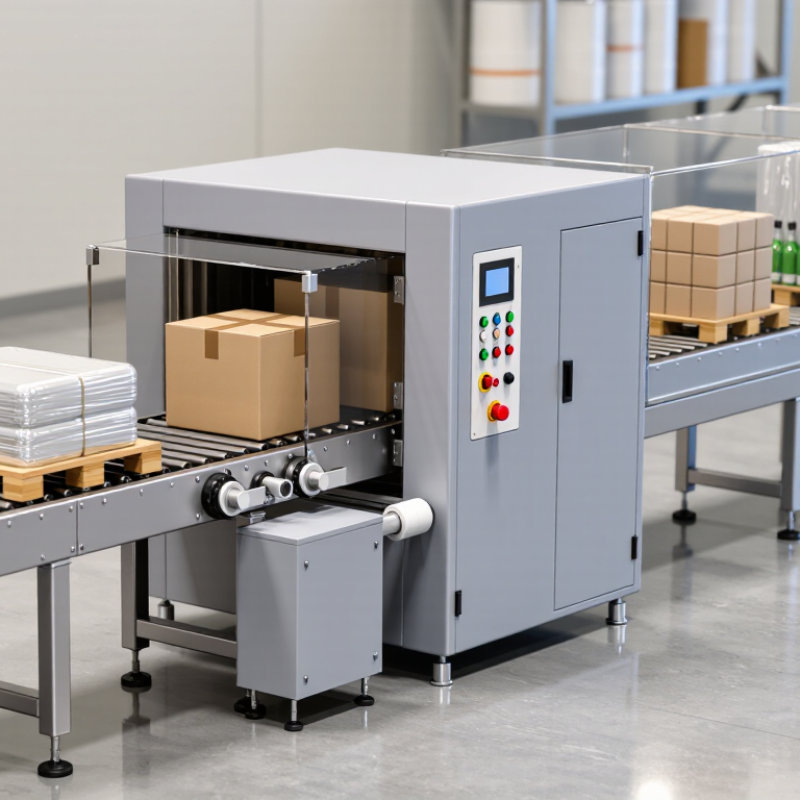
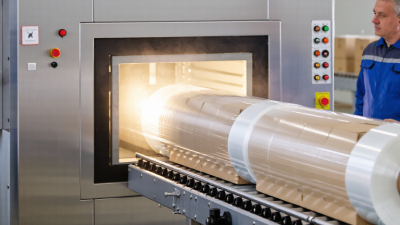
A shrink tunnel machine uses controlled heat to tighten plastic film around a product, tray, or grouped package. It usually includes a film-wrapped conveyor, heating chamber, airflow system, and temperature controls. The package enters the tunnel, where heated air softens the film. The film then contracts around the product and forms a closer, cleaner surface.
The process looks simple, but temperature and speed must match the film type. Excessive heat can wrinkle labels, weaken seals, or distort lightweight containers. Insufficient heat leaves loose edges and poor presentation. In practice, operators often adjust conveyor speed by small increments while checking corners and seams. Real production lines are less tidy than manuals suggest.
PMMI’s 2023 State of the Industry report valued U.S. packaging machinery shipments at approximately 10.2 billion dollars in 2022. This reflects continuing investment in automated packaging equipment, including heat-shrink systems. The OECD Global Plastics Outlook reports that packaging represents about 40% of global plastic waste. That figure deserves careful attention. A shrink tunnel improves packaging consistency, but it does not make film automatically sustainable.
Good operation begins with practical testing. Staff should measure tunnel temperature, package dwell time, seal strength, and film consumption. Airflow matters too. Uneven circulation can create tight and loose areas on the same pack. A well-adjusted machine produces stable results with fewer damaged packages and less rework.
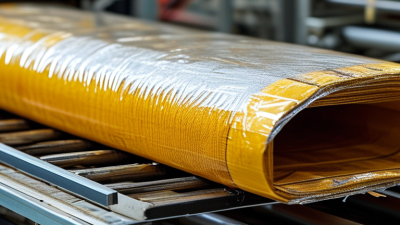
A shrink tunnel machine uses controlled heat to tighten film around a packaged product. This process creates a close, stable wrap in seconds. On a busy line, that consistency can increase packaging speed without adding manual handling. Operators place sealed packs on a conveyor, while heated air contracts the film around corners and flat surfaces. The result is a cleaner pack with fewer loose edges.
Speed matters, but product protection is often the stronger reason to use a tunnel. A tight film layer can reduce dust exposure, minor scuffing, and movement during storage or transport. It also helps keep grouped items together. Tunnel temperature, conveyor speed, and airflow must match the film and product. Too much heat may distort packaging or affect sensitive contents. Too little heat leaves wrinkles and weak seals. Small adjustments matter.
In packaging trials, teams should measure packs per minute, seal quality, film use, and rejected units. Watch the first and last packs of a production run. They may behave differently. A visual check helps, but it is not enough. Sample packs should be handled and inspected after cooling. A shrink tunnel is not a magic fix. Poor sealing, uneven loading, or unsuitable film can still slow production. Some setups need more testing than expected. That is normal. Reliable results come from recorded settings, routine checks, and operators who notice changes before they become waste.
A shrink tunnel machine suits products that need a close, tamper-evident outer wrap and a cleaner retail appearance. In packaging trials, I have seen cartons, book bundles, food trays, bottled drinks, household goods, and hardware packs perform well.
Regular shapes usually shrink evenly. Flat surfaces also help the film tighten without deep wrinkles. Small bundles can move through the tunnel on a conveyor with stable spacing.
Crowded products often block airflow and create loose corners. Heat-sensitive items need more care. Chocolate, candles, printed labels, and some cosmetics may soften, discolor, or warp. A short test run should come before any production decision.
Polyolefin film works well for many consumer products because it is clear, flexible, and available in different thicknesses. Polyethylene film suits heavier multipacks, cartons, and industrial bundles that need stronger tear resistance. PVC film can shrink smoothly, but local environmental and packaging rules may limit its use.
Film width should cover the product with enough overlap, not excessive waste. Temperature, conveyor speed, and airflow must be adjusted together. A higher temperature is not automatically better. It may burn film edges or damage labels.
Check seals, corners, tension, and product temperature after cooling. I have found that a wrap can look attractive yet fail during drop handling.
Record the film type, settings, and test results for repeatable operation. Packaging shape, film memory, and tunnel length still require practical adjustment.
Why Use a Shrink Tunnel Machine?
What Factors Should Guide Your Choice of a Shrink Tunnel Machine?
Choosing a shrink tunnel machine starts with the product, not the machine’s advertised speed. Measure the package length, width, height, and weight, including trays or unusual corners. A tunnel opening that looks sufficient may restrict airflow around larger cartons. That mistake can create loose film, wrinkles, or overheated edges.
Film type also matters. Polyolefin, PVC, and polyethylene films respond differently to heat and airflow. Confirm the recommended temperature range with the film supplier. Then compare it with the tunnel’s control accuracy. Stable heat is essential for consistent results. Keep watching the conveyor speed, too. A fast setting may increase output but leave weak seals or uneven shrinkage. Slow down when the film gathers near handles or sharp corners.
Energy use, maintenance access, and operator safety deserve equal attention. Insulated panels can reduce heat loss, while removable guards make cleaning less frustrating. Check whether the heating elements, fans, and belts are easy to inspect. Small delays become expensive during long production runs. Noise can matter in a compact workspace. So can electrical requirements and available floor space.
Do not ignore testing.
Run real products through several settings before purchasing. Record temperature, speed, appearance, and package strength. Results may differ from sample trials. That is where careful judgment matters. A machine that seems ideal on paper may need wider airflow control, better cooling, or a slower conveyor for reliable daily operation.
A shrink tunnel applies controlled heat around wrapped products, creating a tighter and cleaner package. Safe operation starts before the machine reaches working temperature. Trained operators should inspect the power cable, guards, conveyor, rollers, and emergency stop. Keep the floor dry and the tunnel entrance clear. Wear close-fitting clothing and heat-resistant gloves when handling warm packages. Never reach inside a moving tunnel.
Set the temperature and conveyor speed according to the film and product. Excessive heat can damage packaging, distort products, or create unpleasant fumes. Watch the first few packages carefully. Uneven shrinking may indicate poor film placement, blocked airflow, or incorrect settings. Do not force a package through the tunnel. Stop the machine and investigate. The simple mistake is often the dangerous one.
After operation, switch off the heater and allow the tunnel to cool completely. Isolate electrical power before cleaning or servicing internal parts. Remove film scraps from the conveyor and check rollers for residue. Inspect ventilation openings regularly, because dust can reduce airflow and raise temperatures. Record unusual noises, temperature changes, and repeated jams in a maintenance log. I once underestimated a small film buildup; it caused uneven movement and delayed production. That experience reinforced a basic rule: never ignore a minor warning. If repairs require exposed electrical components, use qualified service personnel.