Why Use a Heat Shrink Tunnel for Packaging?
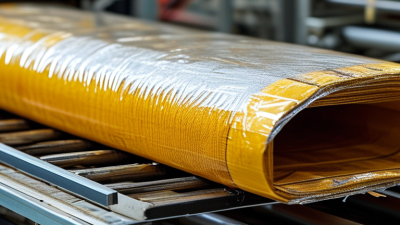
A heat shrink tunnel uses controlled heat to tighten plastic film around a product, creating a clean and stable package. It can improve protection, presentation, and handling efficiency across many packaging lines. The result is visible. Film hugs the carton, corners look neater, and grouped products stay together during transport.
Dr. Paul Singh, a respected packaging engineering researcher, explains, “A package must protect the product and communicate value.” This principle fits the heat shrink tunnel well. Operators can adjust temperature, conveyor speed, and airflow for different films and product shapes. A lower setting may protect sensitive labels. A faster belt can prevent overheating. Small changes matter.
The tunnel also supports consistent production. Manual wrapping often creates uneven tension. Automated heat shrinking reduces that variation and helps maintain repeatable results. It may reduce loose film, damaged packs, and unnecessary rework. However, the machine is not magic. Film selection, sealing quality, loading direction, and maintenance still determine performance.
I have seen poor results caused by excessive heat, not faulty equipment. Wrinkled film, scorched labels, and weak seals can appear within minutes. That detail deserves attention. A reliable setup needs trial runs, temperature checks, and regular cleaning around the conveyor and heating chamber. Energy use should also be reviewed honestly. The fastest setting is not always the most efficient one. When properly configured, a heat shrink tunnel offers a practical balance between package security, shelf appearance, and production speed.
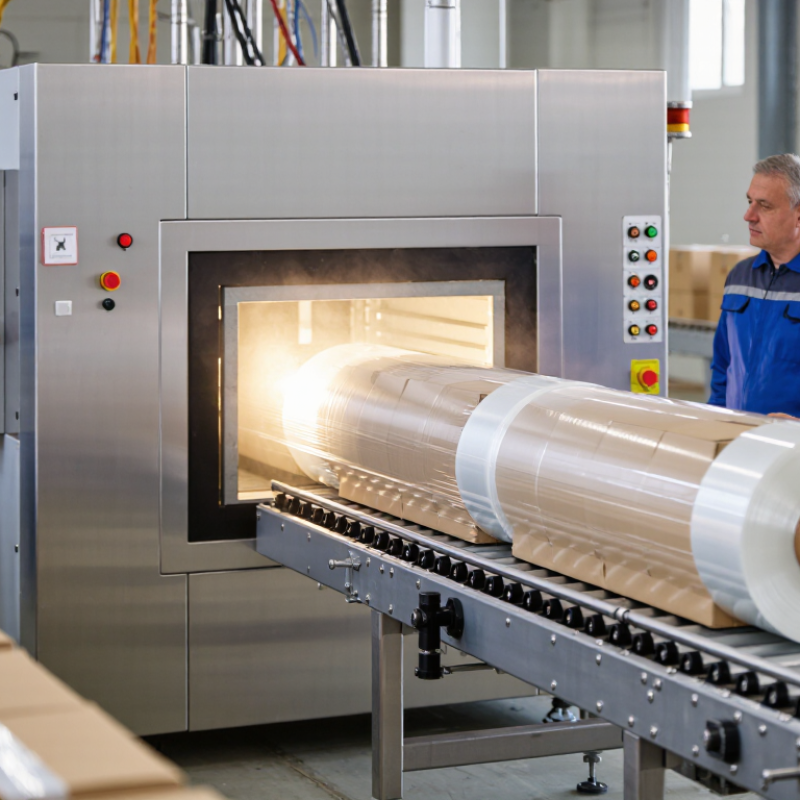
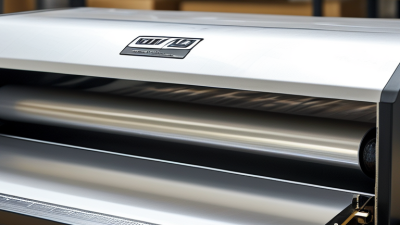
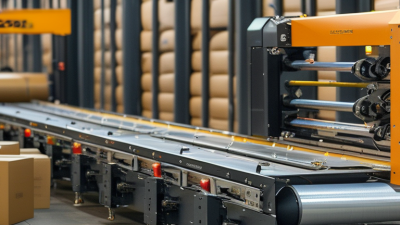
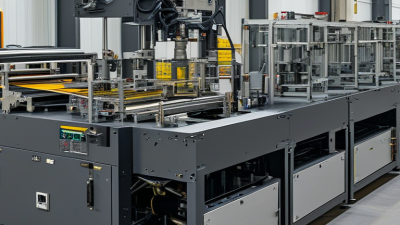
A heat shrink tunnel is an enclosed heating chamber used after film sealing. A conveyor carries each package through controlled hot air. The film softens, contracts, and follows the product’s shape. Operators adjust temperature, belt speed, and airflow for consistent results.
Common systems use electric heaters, gas heating, or recirculated air. Inside the chamber, adjustable zones help manage uneven products. A multipack may need stronger airflow around its corners. A small carton may require less heat and a slower setting. Not quite plug and play.
Grand View Research estimated the global shrink films market at USD 10.79 billion in 2023. It projects continued growth through 2030. Smithers’ packaging outlook also forecasts the global packaging market approaching USD 1.2 trillion by 2028. These figures cover broad packaging markets, not tunnels alone. That distinction matters.
In production, the tunnel can improve pack appearance, bundle stability, and tamper evidence. It may also reduce manual film adjustment. However, excessive heat can distort thin plastic, weaken seals, or damage sensitive products. In practical line checks, a neat finish does not always mean a strong seal. Teams should test dwell time, film thickness, package weight, and cooling behavior. A short trial often reveals more than a perfect setting on paper. Temperature readings can drift, too. Reliable maintenance and documented process checks remain essential.
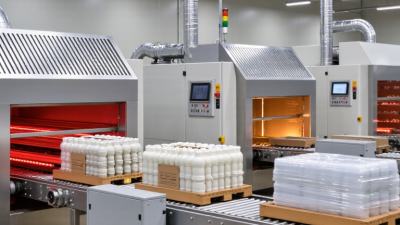
A heat shrink tunnel uses controlled heat to tighten plastic film around a packaged product. The process begins when a conveyor carries the wrapped item into the chamber. Inside, electric heaters warm the air while fans distribute it across the package. This airflow helps the film shrink evenly instead of tightening at one corner first.
The film softens at a specific temperature range, depending on its material and thickness. Polyolefin, PVC, and polyethylene films may require different settings.
As the film contracts, it follows the product’s shape and removes loose folds. A short cooling section then helps the film stabilize before the package leaves the tunnel.
Operators usually adjust temperature, conveyor speed, and airflow together. Too much heat can distort film or damage sensitive contents. Too little heat leaves wrinkles and weak seals.
In practice, the first setting is rarely perfect. A package with a cold metal component may need slower movement than a lightweight carton. Film tension, room temperature, and package spacing also affect results. Small changes can create surprisingly different finishes.
That is where practical experience matters.
Routine checks should include belt movement, heater performance, airflow, and chamber cleanliness. Dust buildup can disrupt heating and create uneven shrinkage. A reliable tunnel is not simply hot; it is controlled, monitored, and adjusted for the actual package.
A heat shrink tunnel works best when the film matches the product, sealing method, and temperature profile. Polyolefin film is widely used for food, household goods, and retail multipacks. It offers good clarity, strong seals, and reliable shrink performance. Polyethylene film suits heavier bundles because it is tougher and more flexible. It usually needs higher heat and careful airflow control.
PVC film can shrink sharply around small products, but it may become brittle during storage. PETG is common for full-body sleeves because it provides strong, uniform shrinkage around curved containers. Paper, rigid cardboard, and untreated glass do not shrink themselves. They need a compatible shrink film or sleeve. The film must also tolerate the tunnel’s heat without damaging labels, ink, or seals.
The Flexible Packaging Association’s 2024 State of the Industry report valued United States flexible packaging sales at about 40 billion dollars in 2023. That scale shows why material selection affects efficiency, waste, and product presentation. Smithers’ packaging research also highlights continued demand for polyolefin and polyethylene shrink films. In practice, I check film thickness, shrink ratio, seal strength, and tunnel temperature together. A film may look suitable but wrinkle near corners. It may also overheat before the center tightens. The uncomfortable lesson is simple: faster settings are not always better. Small trials remain necessary, especially with recycled-content films and mixed-material packs.
A heat shrink tunnel applies controlled heat around film, creating a tight, protective package. The main benefit is consistency. Each carton leaves the chamber with a similar seal, appearance, and level of product stability. Operators can also adjust temperature, conveyor speed, and airflow for different film types. A small setting change matters.
According to Smithers’ The Future of Global Packaging to 2028, the worldwide packaging market could reach about $1.2 trillion by 2028. That growth increases pressure for faster, repeatable packaging operations. A tunnel supports this need by reducing manual heating steps and maintaining steady throughput. Grand View Research estimates the global shrink film market could grow at roughly 6% annually through 2030. More film use makes process control increasingly important.
The benefits are practical. Tight film can reduce dust exposure, moisture contact, and movement during transport. Clear wrapping also helps staff inspect cartons without opening them. In production trials, workers often report fewer loose edges and cleaner presentation after tuning the tunnel correctly. Energy use remains a concern. Poor insulation, excessive temperature, or an empty conveyor can waste heat. The system is not foolproof. A tunnel may also distort thin products when settings are rushed, so testing should include corner protection, seal strength, and cooling time.
A heat shrink tunnel applies controlled heat around wrapped products. It creates a tighter, cleaner package and improves handling during transport. Selecting the right tunnel starts with product dimensions, film type, and expected output. Measure the largest package, including its height and width. Then check the film’s recommended shrinking temperature. A tunnel that runs too hot may distort labels or soften delicate containers. A weak tunnel may leave loose corners and cloudy film.
Tips: Test real packages before purchasing. Use your fastest production speed during trials. Check seal quality, shrink uniformity, and surface temperature. Conveyor width should allow movement without touching the chamber walls. Adjustable airflow can help packages with uneven shapes. Insulation also matters, especially in facilities with long operating hours. Keep access panels simple. Operators will need regular cleaning and adjustments.
For mixed product sizes, choose a tunnel with flexible temperature and conveyor controls. Fixed settings can waste film and energy when package dimensions change. Consider power supply, available floor space, ventilation, and maintenance access. Ask for test data using your actual film, not only sample material. I have found that small packages sometimes need slower conveyor speeds than expected. That detail is easy to miss. The best choice balances sealing performance, operating cost, and daily practicality rather than maximum heating power.