Blog

How to Choose the Best Banding Machine in 2026?

Choosing a banding machine in 2026 is less about chasing the newest feature and more about matching the equipment to real production needs. Start with the materials you use, the size and shape of your bundles, and the number of cycles your line handles each shift. A machine that runs smoothly with light paper stacks may struggle with heavier products or frequent changeovers. Small details matter.

Look closely at band tension, feed consistency, adjustment time, and access for routine cleaning. Ask for a demonstration using your own products, not just a polished sample. Watch the strap pass around a bundle. Check whether the seal holds, whether the product shifts, and how quickly an operator can correct a misfeed. These details can reveal more than a feature list. They can also expose a gap between showroom performance and everyday use.

A verified expert quotation would strengthen this guide, but no source or expert name was provided. To avoid inventing an attribution, insert a checked quotation here before publication: “[Exact quotation about choosing or operating a banding machine]” — [Expert name and verified role]. The sections that follow compare machine types, key specifications, operating costs, and support needs. The right choice depends on your line, your team, and the work you expect the machine to do. There is no perfect fit for every facility, and that is worth remembering.
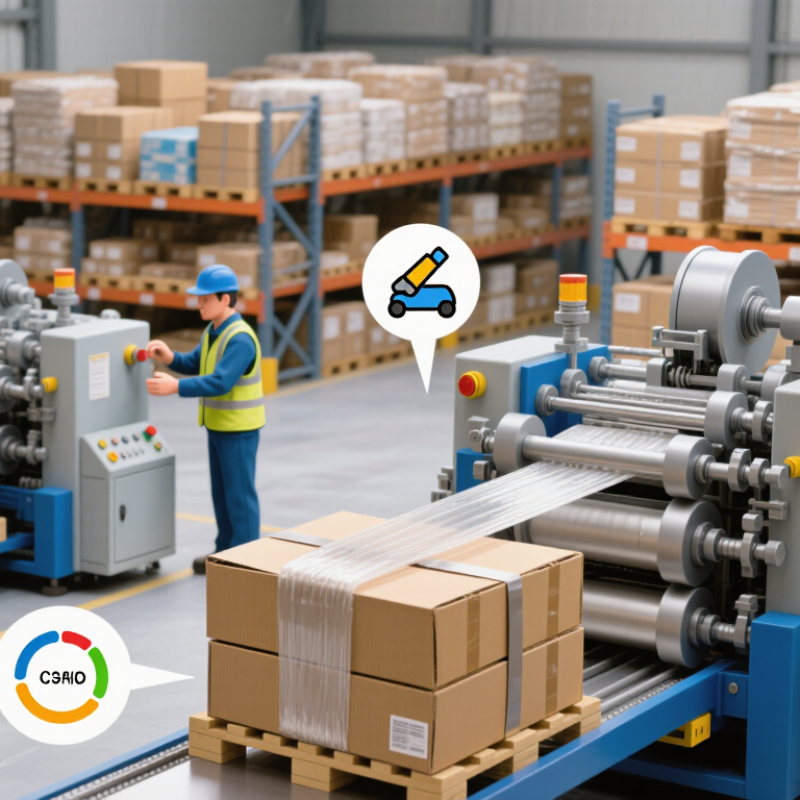
How to Choose the Best Banding Machine in 2026?

Identify Your Banding Needs and Operating Conditions

How to Choose the Best Banding Machine in 2026?

Identify Your Banding Needs and Operating Conditions

Start with the packages you actually handle, not the machine features that look impressive. Record package dimensions, weight, surface type, and daily volume across a normal shift. A small carton may need light, consistent tension, while a bulky bundle may need wider banding and steadier pressure. Measure several products; one “standard” size can hide surprising variation. Also check whether operators load items by hand or use a conveyor, since that changes how quickly a machine must cycle.

Your workspace matters just as much. Note available floor space, power supply, dust, temperature, and how often the machine will run. In a busy packing area, easy threading and accessible wear parts can reduce interruptions. Ask a supplier to test your own packages and banding material, then inspect for crushing, loose seals, or uneven tension. Estimates can be wrong; production conditions rarely match a tidy showroom.

Tips: Track peak-hour volume, not only the daily average. Bring sample packages for testing. Leave room for maintenance access, and confirm who will clean and adjust the machine. One overlooked detail: operator comfort affects consistency.
Compare Banding Machine Types and Their Applications

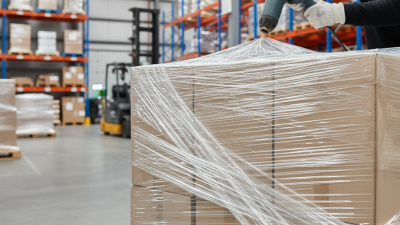
For low-volume work, a manual banding tool offers simple control over individual bundles. It suits print shops, small packing rooms, and occasional batches. An operator places the band, adjusts tension, and seals it around the product. This takes practice. Uneven tension can crush soft cartons or leave loose bundles, so check several finished samples before settling on a routine.

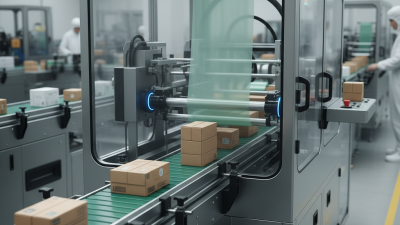
A semi-automatic tabletop machine reduces repetitive handling for steady, moderate output. The operator positions each bundle, while the machine feeds, tensions, and seals the band. It works well for grouped boxes, paper products, and bakery trays that need a neat hold without bulky wrapping. Compare the usable opening with your largest bundle, not just the average one. That detail is easy to overlook.

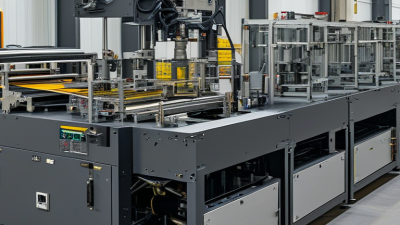
High-volume lines often use automatic banders integrated with conveyors and sensors. They can handle repeated bundles with less manual placement, but need compatible product flow and reliable adjustments. Horizontal models suit flat stacks; vertical arrangements can secure taller loads. Before choosing, test the actual band material, bundle shape, and surface finish. Watch for slipping, marks, or weak seals. A faster machine is not always the better fit. A short production trial may reveal awkward loading or frequent resets that a specification sheet cannot show.

Evaluate Speed, Band Size, and Material Compatibility

Choosing a banding machine in 2026 starts with the work it must handle, not its advertised maximum speed. A line processing 30 packs per minute may need a different setup from a bench station used for small batches. Check the sustained cycle rate with your actual products, including time spent loading and aligning them. Peak speed looks impressive. It can mislead.

Measure the smallest and largest bundles you expect to band. Then compare those dimensions with the machine’s supported band width and loop range. A band that is too wide can obscure a label; one that is too narrow may crease or loosen under tension. Consider how often sizes change, too. Frequent adjustments can slow a busy shift more than a modest difference in cycle speed.

Material compatibility matters just as much. Paper, coated paper, and plastic bands may require different tension settings or joining methods. Ask for a trial using the exact band material and product shape, then inspect the joint and the package after handling. Watch for slipping, surface marks, or damaged edges. One detail is easy to miss: a clean test on an empty table may not reflect a crowded production line. Test under realistic conditions, and record any settings that operators need to repeat. Even then, your first estimate may be off. That is useful information.

Check Automation, Safety, Maintenance, and Integration

How to Choose the Best Banding Machine in 2026?
Check Automation, Safety, Maintenance, and Integration

When comparing a banding machine, match its automation level to your actual production rhythm. A system that feeds and tensions bands automatically can reduce repetitive handling, but only if operators can adjust settings without guesswork. Ask for a live demonstration using your own package sizes. Watch what happens when a band is misfed. Small pauses matter.

Safety belongs in the daily workflow, not just the manual. Check for accessible emergency stops, guarded moving parts, and clear instructions for clearing jams. Then consider maintenance: Can staff reach the feed path easily? Are wear parts simple to inspect? A compact machine may save floor space, yet make cleaning awkward. That trade-off is easy to miss.

Integration can decide whether new equipment helps or creates another bottleneck. Confirm conveyor height, line speed, power supply, and communication with existing controls before purchase. Ask how settings are stored and who can troubleshoot faults. A supplier’s specification sheet may look complete, but it cannot show every shift-level issue. Leave time for an on-site trial, and record minor problems too. They are useful evidence, not reasons to dismiss the machine.

How to Choose the Best Banding Machine in 2026?

Compare automation, safety, maintenance, and integration before choosing a machine.

How to use this chart: These suggested evaluation weights are a starting point, not measured market data. Adjust them to fit your line speed, risk assessment, service resources, and packaging-line requirements. Verify guarding and control-system requirements against applicable standards and local regulations.

Compare Total Costs and Verify Supplier Support

Choosing a banding machine in 2026 means looking beyond its purchase price. Compare the full cost of ownership: banding material, power, routine maintenance, changeover time, training, and lost production during stoppages. For a practical estimate, record how many minutes a jam or adjustment takes, who must respond, and how many packages wait downstream. Small delays add up. Your own shift data is more useful than a supplier’s ideal-cycle demonstration.

Supplier support deserves the same scrutiny as machine specifications. Ask for written response times, local spare-parts availability, commissioning details, operator training, and escalation contacts. Request a reference installation running similar package sizes and line speeds. Deloitte and MAPI’s 2023 Smart Manufacturing Survey found that 86% of surveyed executives expected smart manufacturing to drive competitiveness within five years. That is not a banding-machine benchmark, but it underscores why controls, diagnostics, and technical support matter. I would still treat remote-support promises cautiously: a fast reply cannot replace an unavailable sensor or an unclear troubleshooting procedure. Compare service terms alongside the quote, and check what happens after the warranty ends.